Areal Flood – Watch


From Tue, Dec 5, 12:36 PM PST To Thu, Dec 7, 4:00 AM PST

What

Flooding caused by excessive rainfall continues to be possible.

Where

Portions of northwest and west central Washington, including the following counties, in northwest Washington, Clallam, Grays Harbor, Island, Kitsap, San Juan, Skagit and Whatcom. In west central Washington, King, Lewis, Pierce and Thurston.

When

Through late Wednesday night.

Impacts

Excessive runoff may result in flooding of rivers, creeks, streams, and other low-lying and flood-prone locations. Flooding may occur in poor drainage and urban areas. Low-water crossings may be flooded. Extensive street flooding and flooding of creeks and rivers are possible.

Summary

* ADDITIONAL DETAILS… – Heavy rainfall continues for portions of the watch area and the flood waves continue to move down area rivers, which could still lead to additional flooding. – http://www.weather.gov/safety/flood You should monitor later forecasts and be alert for possible Flood Warnings. Those living in areas prone to flooding should be prepared to take action should flooding develop.

Issued By

NWS Seattle WA

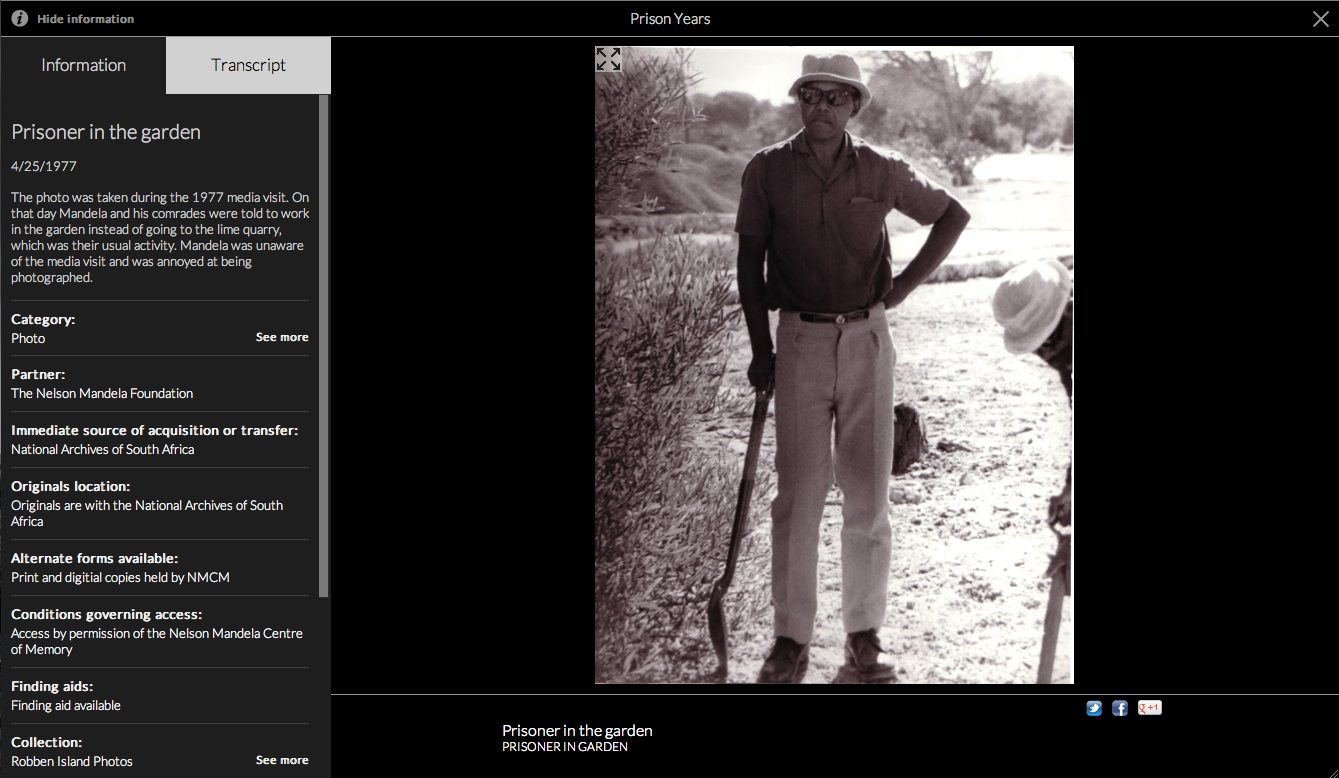
2013 – South African president Nelson Mandela dies at 95


On December 5, 2013, Nelson Mandela, the former activist who overcame a nearly three-decade prison stint to become president of South Africa, passes away after years of struggling with health issues. He was 95. “Our nation has lost its greatest son. Our people have lost a …read more

Nelson Mandela


Official Google blog - Nelson Mandela

Born: 18th July, 1918
Star Sign: Cancer
Birthplace: Mvezo, Umtatu, South Africa

Died: 5th December, 2013 (aged 95)
Cause of Death: Lung infection

Remembering Nelson Mandela

The South African activist and former president led the struggle against apartheid and became a global advocate for human rights.

onthisday.com

1952 – When the Great Smog Smothered London, kills thousands in England


Heavy smog began to hover over London, England, on December 5, 1952. It persisted for five days, leading to the deaths of at least 4,000 people.

It was a Thursday afternoon when a high-pressure air mass stalled over the Thames River Valley. When cold air arrived suddenly from the west, the air over London became trapped in place. The problem was exacerbated by low temperatures, which caused residents to burn extra coal in their furnaces. The smoke, soot and sulfur dioxide from the area’s industries along with that from cars and consumer energy usage caused extraordinarily heavy smog to smother the city. By the morning of December 5, there was a visible pall cast over hundreds of square miles.

The Great Smog of 1952 became so thick and dense that by December 7 there was virtually no sunlight and visibility was reduced to five yards in many places. Eventually, all transportation in the region was halted, but not before the smog caused several rail accidents, including a collision between two trains near London Bridge. The worst effect of the smog, however, was the respiratory distress it caused in humans and animals, including difficulty breathing and the vomiting of phlegm. One of the first noted victims was a prize cow that suffocated on December 5. An unusually high number of people in the area, numbering in the thousands, died in their sleep that weekend.

It’s the 21st Century… was it Smog tho