
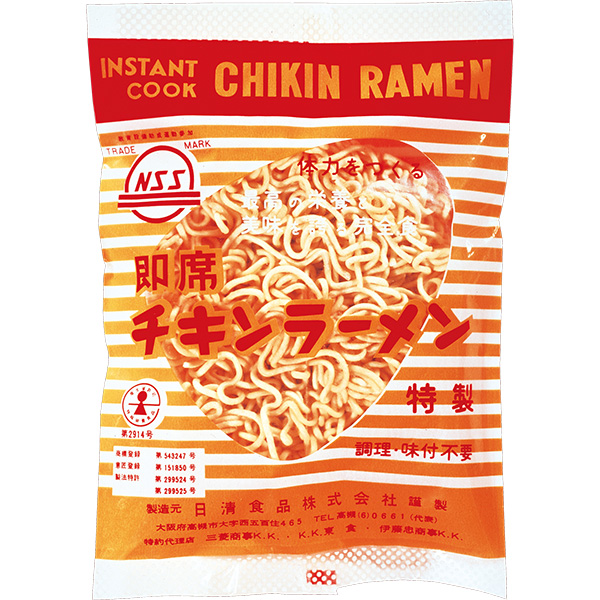
Instant noodles
Instant noodles have become quite popular in many countries around the world, including the United States. Apart from being relatively cheap and widely available, they are also easily prepared.
The instant noodle was invented by Momofuku Ando of Nissin Foods in Japan and was launched in 1958 under the brand name Chikin Ramen. The product proved to be quite profitable, but in 1971 Nissin introduced Cup Noodles, a dried noodle block in a polystyrene cup – this was a new beginning. 

- A single serving of instant noodles is high in carbohydrates and fat, but low in fiber, vitamins and minerals.
- Instant noodles contain substances that reduce the body’s ability to absorb nutrients from healthy foods – affects the digestion process.
- Typical cup-type instant noodles contain 2,700 mg of sodium and the maximum sodium intake per day should be 2,400 mg.
- They are high in MSG (monosodium glutamate) which can trigger cancer.
- Instant noodles contain anti-freeze such as propylene glycol – affects the liver, heart and kidneys.
- Long term consumption can affect the body’s metabolism.
- Instant noodles are a major cause of obesity.
Apart from these health risks, instant noodles are also low in nutritional value – certainly not the best food to prepare for yourself or your family.
Source: Nissin.com

 Be a Seed for Change
You must be logged in to post a comment.