
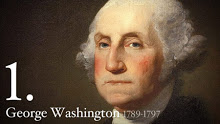
On December 23, 1783, following the signing of the Treaty of Paris, General George Washington resigns as commander in chief of the Continental Army and retired to his home at Mount Vernon, Virginia.
Washington addressed the assembled Congress:
“Happy in the confirmation of our independence and sovereignty, and pleased with the opportunity afforded the United States of becoming a respectable nation, I resign with satisfaction the appointment I accepted with diffidence; a diffidence in my abilities to accomplish so arduous a task; which however was superseded by a confidence in the rectitude of our cause, the support of the supreme power of the Union, and the patronage of Heaven.”
Washington’s willingness to return to civilian life was an essential element in the transformation of the War for Independence into a true revolution. During the war, Congress had granted Washington powers equivalent to those of a dictator and he could have easily taken solitary control of the new nation. Indeed, some political factions wanted Washington to become the new nation’s king. His modesty in declining the offer and resigning his military post at the end of the war fortified the republican foundations of the new nation.
Although he asked nothing for himself, Washington did enter a plea on behalf of his officers:
“While I repeat my obligations to the army in general, I should do injustice to my own feelings not to acknowledge, in this place, the peculiar services and distinguished merits of the gentlemen who have been attached to my person during the war. It was impossible the choice of confidential officers to compose my family should have been more fortunate. Permit me, sir, to recommend in particular, those who have continued in the service to the present moment, as worthy of the favorable notice and patronage of Congress.”
Source: history.com for the complete article

 Be a Seed for Change
You must be logged in to post a comment.