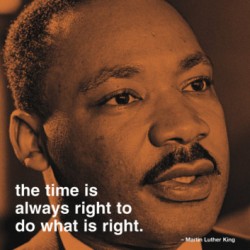
1/15/1929 Born – Martin Luther King Jr. – Black History –


On January 15, 1929, Martin Luther King Jr. is born in Atlanta, Georgia, the son of a Baptist minister. King received a doctorate degree in theology and in 1955 helped organize the first major protest of the African American civil rights movement: the successful Montgomery Bus Boycott. Influenced by Mohandas Gandhi, he advocated civil disobedience and nonviolent resistance to segregation in the South. The peaceful protests he led throughout the American South were often met with violence, but King and his followers persisted, and the movement gained momentum.

READ MORE ABOUT MLK: 

10 Things You May Not Know About Martin Luther King Jr
For Martin Luther King Jr., Nonviolent Protest Never Meant ‘Wait and See’
Quotes from 7 of Martin Luther King Jr.’s Most Notable Speeches
The Fight for Martin Luther King Jr. Day

Citation Information

Article Title

Martin Luther King Jr. born

AuthorHistory.com Editors

Website Name

HISTORY

URL

https://www.history.com/this-day-in-history/martin-luther-king-jr-born

Access Date

January 15, 2023

Publisher

A&E Television Networks

Last Updated

January 12, 2022

Original Published Date

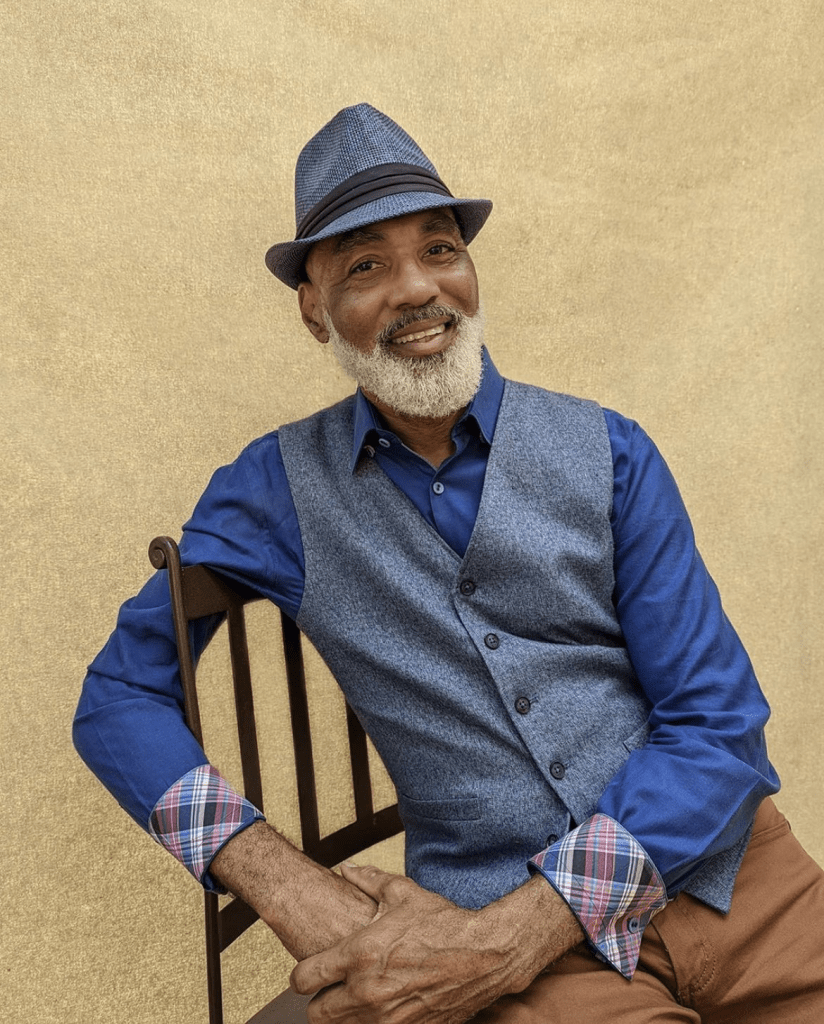
Phill Wilson, Aids Activist


“Don’t buy the hype that the HIV/AIDS pandemic is over for Black people just because of medical advances that have disproportionately benefited white people. Black people and poor people are still acquiring, getting sick, and dying from AIDS in America.”

— Phill Wilson

I have been living with HIV/AIDS for nearly 43 years. It has been a roller coaster for me, my communities, and the world. I’ve lost count of the eulogies’ I’ve delivered, the death beds I’ve sat beside, the hospital rooms I’ve visited, or the number of times I’ve comforted someone after they found out they were HIV positive. I would always tell them, “It was going to be OK,” even when I didn’t believe it.

I know we’ve made a lot of advances since Michael Gottlieb identified the first AIDS cases at UCLA Medical Center in 1981. We have new diagnostic tools, new surveillance tools, new prevention tools, and new treatment tools. We can diagnose someone within the first 24 hours of exposure to the virus. We can identify the pandemic down to the zip code or census tract. We can prevent HIV transmission and HIV acquisition. We made policy advances in access and fought stigma and discrimination. At the very least, I hoped and prayed that we might have learned something—that if something else were to happen, we would know how to handle it. And then COVID-19 happened. It became painfully clear that no one was listening to our pain, tears, screams, grief, and trauma.

The parallels are scary. First, the denial, then the blaming, the slow response, the missed opportunities, and finally, the disproportionate impact on Black, other POC, and poor communities. All the earliest information about how the COVID-19 pathogen was transmitted said that Black, brown, and poor people would be disproportionately impacted. And yet, those in power did not develop strategies targeting those communities. The opposite happened. BIPOC and poor people were designated “essential workers” and sentenced to put themselves in harm’s way to protect the rest of society. And again, the premature declaration of the end of the COVID-19 pandemic places us at continued risk.

Source: For the complete article, thereckoningmag.com

1932 – Hattie Wyatt Caraway becomes first woman elected to U.S. Senate


Hattie Caraway

Hattie Caraway succeeded her husband as an Arkansas senator and then won re-election with more votes than her six male opponents combined. She’s pictured at her desk in 1943. Universal History Archive / Universal Images via Getty Images

Hattie Ophelia Wyatt Caraway, a Democrat from Arkansas, becomes the first woman to be elected to the U.S. Senate. Caraway, born near Bakerville, Tennessee, had been appointed to the Senate two months earlier to fill the vacancy left by her late husband, Thaddeus Horatio Caraway. …read more

image from smithsonianmag.com