
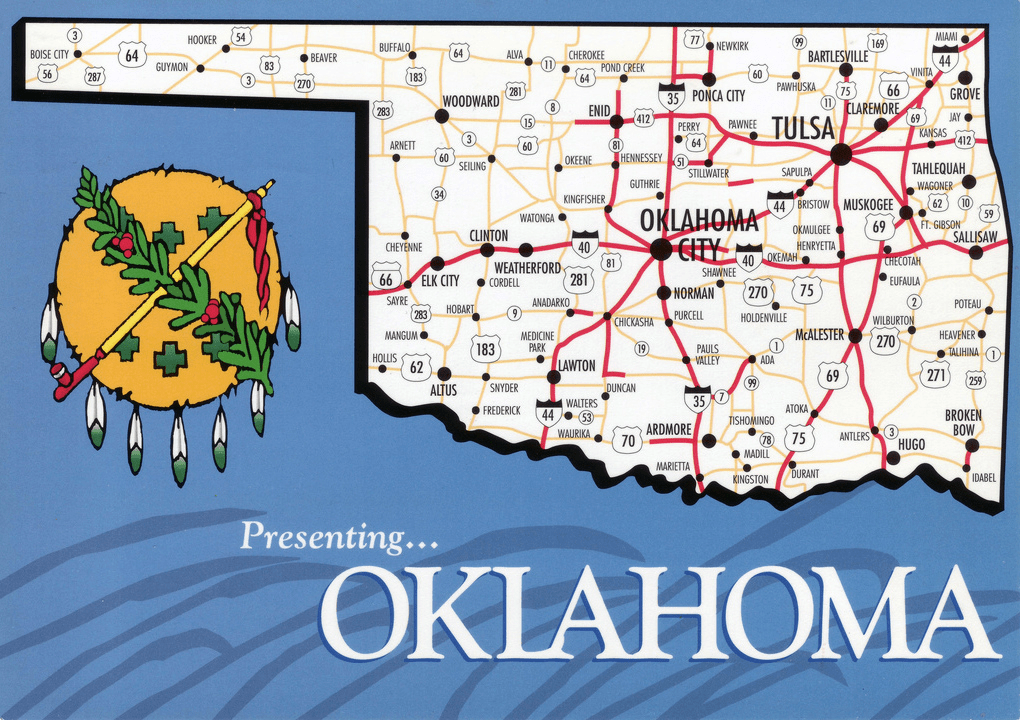
In a major decision on July 9, 2020, the U.S. Supreme Court rules that an 1833 treaty still applies to the Muscogee Nation, also known as the Creek. In McGirt v. Oklahoma, the court holds 5-4 that, while still falling under federal jurisdiction, nearly half of Oklahoma remains Indian land and is not subject to state jurisdiction in cases involving major crimes
The land in question had been designated “a permanent home to the whole Creek Nation of Indians” by a treaty in 1833. This was not an act of generosity or tolerance on behalf of the United States, but rather a facet of the forced relocation known as the Trail of Tears. Pushed out of their southeastern homes, the Muscogee and other tribes were made to settle in the officially designated Indian Territory. After the former Indian Territory became the state of Oklahoma in 1907, the state commonly dealt with major crimes committed in the nearly 50 percent of its land occupied by various tribes.
In 1997, a Muscogee man named Jimcy McGirt was convicted of sexually abusing a child. After his conviction, McGirt’s attorneys argued that, since his crimes had been committed on tribal lands, Oklahoma did not have jurisdiction over them. In 2020, after hearing oral arguments remotely due to the COVID-19 pandemic, the Supreme Court sided with McGirt, as Justice Neil Gorsuch joined Justices Ruth Bader Ginsburg, Sonia Sotomayor, Elena Kagan and Stephen Breyer.
Rejecting the state’s argument that the 1833 treaty was no longer valid due to having been ignored for over a century, the majority found that the State of Oklahoma did not have jurisdiction over major crimes committed on tribal lands.
Source: history.com





 Be a Seed for Change
You must be logged in to post a comment.