
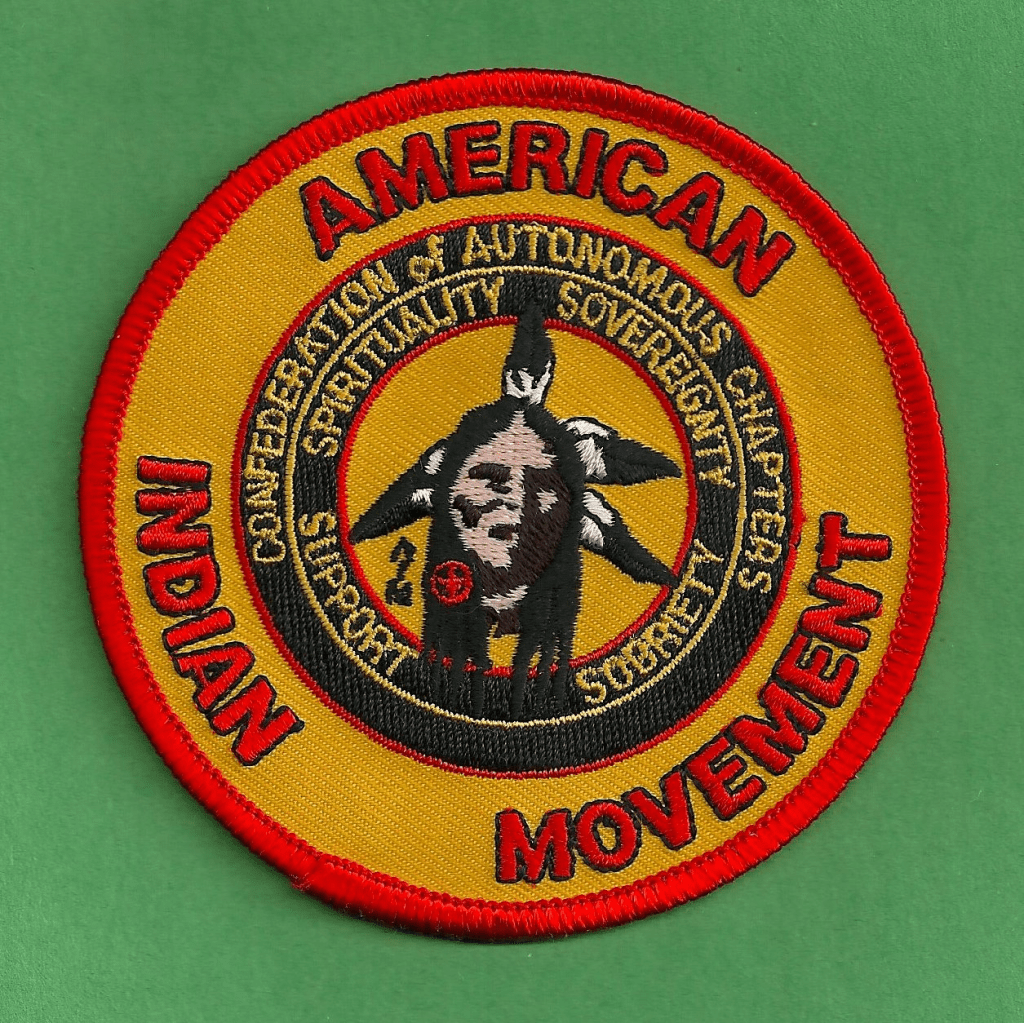
On July 28, 1968, several hundred Native Americans in Minneapolis, Minnesota attend a meeting, organized by community activists George Mitchell, Dennis Banks and Clyde Bellecourt, to discuss issues facing their local Indigenous community. This event marks the start of the American Indian Movement, or AIM, a primary proponent of the Red Power movement. Inspired by the gains of the Black civil rights movement, AIM sought to address the extreme suffering of Indigenous people and create a path for self-determination and empowerment.
For centuries, Native Americans had suffered relentless efforts by the U.S. government to make them disappear—through massacres, forced removal from their homelands and forced cultural assimilation. For attendees of the first AIM meeting, the most recent incarnation of those harmful policies was the 1956 passage of the Indian Relocation Act. Part of the government’s effort to end its support for tribal nations and reclaim reservation lands, the act created a program of vocational training for Native Americans, incentivizing them to leave their reservations and assimilate into urban areas. Most who made the move struggled mightily with the compounded realities of low-wage labor, poor housing, diminished support networks and systemic discrimination.
Source: history.com for the complete article

 Be a Seed for Change
You must be logged in to post a comment.