
BY CONTRIBUTED BY: JOSEPH BERNARDO
In Memory
Public domain image
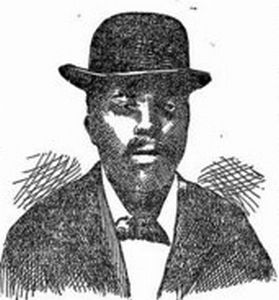
Robert Charles illustration, New Orleans Daily Picayune, July 27, 1900Public domain image
The Robert Charles Riots began when whites in New Orleans, Louisiana became infuriated after Robert Charles, an African-American, shot several white police officers on July 23, 1900. A manhunt for Charles began after he fled after an altercation with New Orleans police officers. The race riot lasted over four days and claimed twenty-eight casualties, including Charles.
Robert Charles came to New Orleans from Mississippi and was a self-educated, articulate activist. He believed in self-defense for the African-American community and encouraged African-Americans in the United States to move to Liberia to escape racial discrimination.
On the night of July 23, 1900, three white police officers, Sergeant Jules C. Aucion, Joseph D. Cantrelle, and August T. Mora, found Charles and his roommate, Leonard Pierce, sitting on a porch in a predominantly white neighborhood. After some police harassment, Charles and Mora drew their guns and exchanged shots. Although neither was killed, Charles fled to his residence for refuge. Later in the evening, the police interrogated Pierce to determine the location of Charles’ home. When the policemen arrived at his house, Charles fired his rifle in their direction, killing two officers, including the chief, Captain Day. While the rest of the officers sought cover, Charles fled the scene, leading to a police manhunt.
blackpast.org





 Be a Seed for Change
You must be logged in to post a comment.