
 (1) Did you know: It was actually on July 2, 1776, that America gained its independence. So why do we celebrate on July 4?
Keep clicking to find out from Kenneth C. Davis, author of the “Don’t Know Much About” book series.
“Jefferson did not come up with these words out of thin air,” Davis said on “CBS This Morning.” “These were words and ideas that had been floating around for a very long time. Other people had written about things like ‘the pursuit of property.’ Jefferson, I think can say we say happily changed that to the ‘pursuit of happiness’.”
(5) John Adams and Thomas Jefferson both died on July 4, 1826. Davis explained, “That may be the most extraordinary coincidence in all of history. On the 50th anniversary of the adoption of the declaration…the two giants of the declaration both died. … Jefferson died first. Adams was alive, of course, in Massachusetts. He didn’t know that Jefferson had died but said, famously, perhaps apocryphally, that ‘Jefferson still lives.’ And people took that to mean his words will live forever.”
(6) The Liberty had nothing to do with July 4th. It wasn’t called the “Liberty Bell” until the 1830s and that’s also when it got its famous crack.
(7) Only two men signed the Declaration of Independence on July 4th, 1776 — John Hancock (not the big signature!) and Charles Thompson, secretary of the Congress.
(8) Jefferson’s original draft was lost and the one eventually signed is the “engrossed” document and is kept at the National Archives.
(9) The printed version of the Declaration was called the Dunlap Broadside – 200 were made but only 27 are accounted for. One of these was found on the back of the picture frame at a tag sale and sold at auction for $8.14 million to television producer Norman Lear. It now travels the country to be displayed to the public.
Resource: cbsnews.com


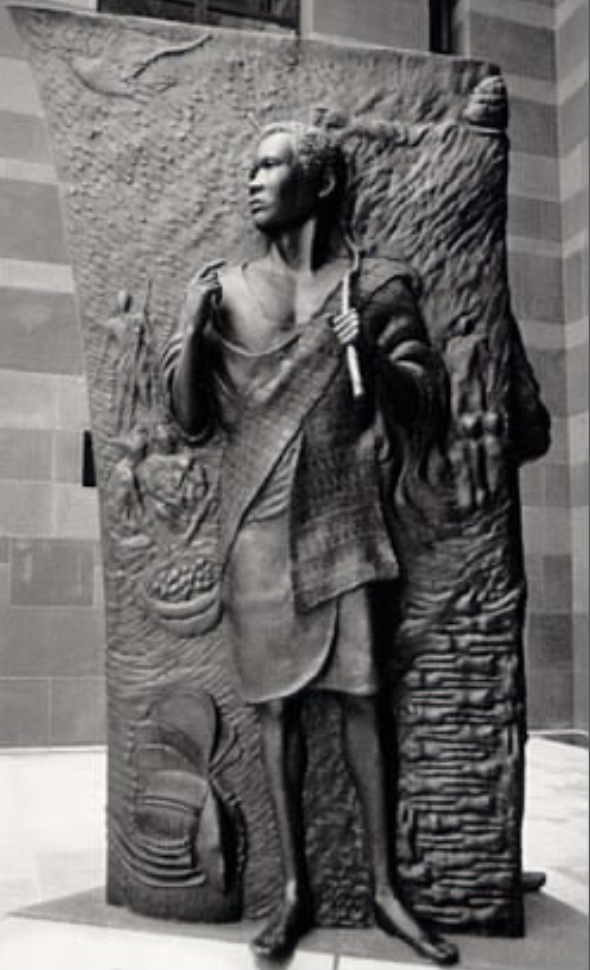 ation owners, the government of Spain, and Gedney all claimed some sort of compensation. The plantation owners wanted their slaves back, the Spanish government wanted the slaves returned to Cuba where they would likely be put to death, and Thomas Gedney felt he was entitled to compensation under maritime law that allowed salvage rights when saving a ship or its cargo from impending loss.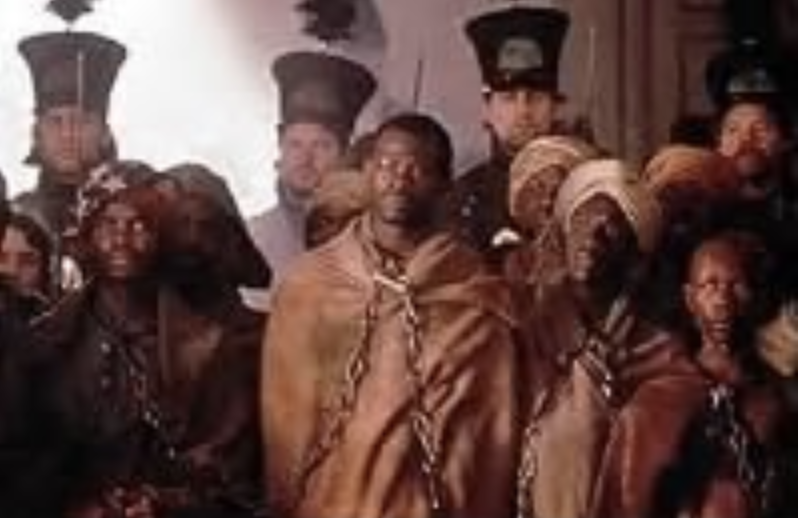


 1298 – An army under Albert of Austria defeated and killed Adolf of Nassua near Worms, Germany.
 store.
 Be a Seed for Change
You must be logged in to post a comment.