
Daily Archives: 10/26/2025

Daily Holidays and Observances in October 2022
By Shelby Deering and Amanda Garrity
When you think of October, Halloween is often the first thing that comes to mind — and understandably so.
The last day of the month is a real treat (pun very much intended), but don’t let the excitement surrounding the spooky season’s standout trick you into thinking it’s the only October holiday worth celebrating. In fact, there are tons of official (and unofficial) holidays, observance and awareness months from now through October 31.
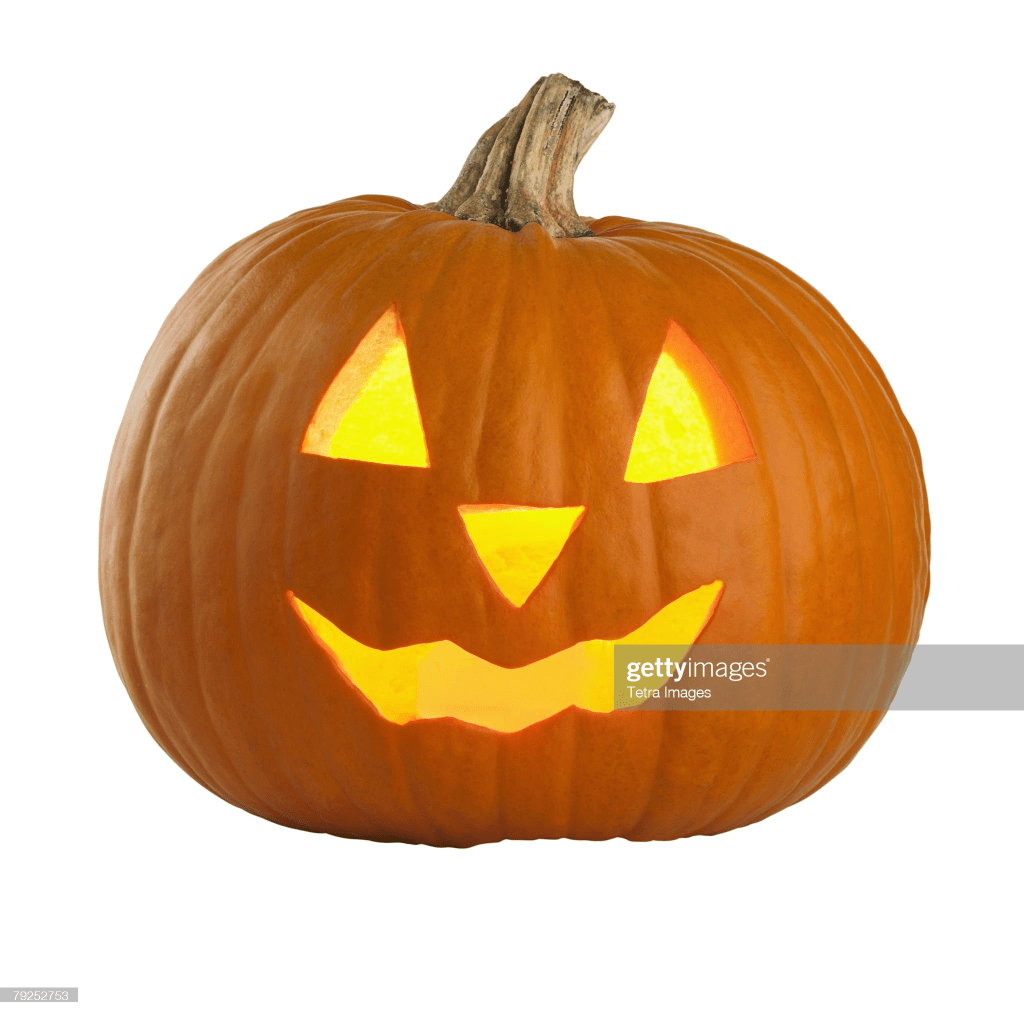
Embrace all the food and fun that the season has to offer with holidays like National Pumpkin Day and National Apple Day. Or satisfy your sweet tooth before you get your candy fix on National Homemade Cookies Day, National Cinnamon Roll Day and National Dessert Day. (But since life is all about balance, don’t forget to celebrate National Kale Day and National Oatmeal Day, too.)
It’s not just about the treats, though: October is also a time to pick up some healthy habits that you can carry with you in the months ahead, whether it’s clearing out your inbox (Inbox Zero Day) or finding an organization to volunteer for (Make a Difference Day).
Speaking of health, carve out time to raise awareness for important causes, ranging from mental health (World Mental Health Day) to menopause (World Menopause Day). All month long, wear your pink ribbon with pride and encourage loved ones to book their mammogram appointments in honor of Breast Cancer Awareness Month.
The list goes on — and on. Lucky for you, we’ve created a list of all the important dates in October, so you won’t miss a thing.
October 11
- National Sausage Pizza Day
- National Coming Out Day
- International Day of the Girl Child
October 12
- National Farmer’s Day
- National Gumbo Day
- National Take Your Parents To Lunch Day
- World Arthritis Day
October 13
- National M&M Day
- Metastatic Breast Cancer Awareness Day
- World Sight Day
- Ada Lovelace Day
October 14
- National Dessert Day
- National Fossil Day
- National I Love You Day
- World Egg Day
October 15
- National Pregnancy and Infant Loss Remembrance Day
- National Latinx AIDS Awareness Day
- Global Handwashing Day
- Hoshana Rabbah (evening of Oct. 15 to evening of Oct. 16)
- International African Penguin Awareness Day
- National Cheese Curd Day
- National Mushroom Day
- Sweetest Day
October 16
- Boss’ Day
- Dictionary Day
- Global Cat Day
- National Sports Day
- World Food Day
- World Spine Day
October 17
- Black Poetry Day
- National Pasta Day
- Wear Something Gaudy Day
October 18
- National Chocolate Cupcake Day
- National Pharmacy Technician Day
- World Menopause Day
October 19
- National Medical Assistants Day
- National New Friends Day
- National Seafood Bisque Day
October 20
- International Sloth Day
- World Osteoporosis Day
- National Day on Writing
October 21
- National Mammography Day
- National Reptile Awareness Day
- National Pets for Veterans Day
- National Apple Day
- National Pumpkin Cheesecake Day
October 22
- International Stuttering Awareness Day
- Make a Difference Day
- National Nut Day
October 23
- National Paralegal Day
- National Boston Cream Pie Day
- National iPod Day
October 24
- Diwali
- National Food Day
- National Kangaroo Awareness Day
- United Nations Day
October 25
- International Artist’s Day
- National Greasy Foods Day
- National I Care About You Day
- World Opera Day
October 26
- National Pumpkin Day
- National Day of the Deployed
- National Chicken Fried Steak Day
- National Pit Bull Awareness Day
October 27
- National Mentoring Day
- National American Beer Day
- Navy Day
October 28
- Bandanna Day
- Plush Animal Lover’s Day
- International Animation Day
- National Breadstick Day
- National First Responders Day
- Frankenstein Friday
October 29
- National Oatmeal Day
- National Cat Day
- World Stroke Day
- World Psoriasis Day
October 30
- National Candy Corn Day
- National Checklist Day
- National Treat Your Pet Day
- Mischief Night
October 31
- Halloween
- National Magic Day
- Girl Scout Founder’s Day
- National Caramel Apple Day
- National Knock Knock Joke Day
Share this:

Q. WALKER LEWIS (1798-1856)
BY CONTRIBUTED BY: MICHAEL AGUIRRE

Public Domain
Quack Walker Lewis, black abolitionist, barber, AND elder (priest) in the Church of Jesus Christ of Latter-day Saints, was born in Barre, Worcester County, Massachusetts, on August 3, 1798. His father, Peter P. Lewis, was a free black yeoman farmer in Middlesex County, Massachusetts, and his mother, Minor Walker Lewis, was born a slave in Worcester County. Peter and Minor had a total of eleven children, all of whom were born free and part of the black middle class in Massachusetts.
Walker Lewis’s involvement with abolitionism was a central component of his family’s history. He was named after his maternal uncle, Quacko (Kwaku) Walker. Quacko’s parents maintained Ghanaian naming practices (Kwaku means “boy born on Saturday”). Quacko and his parents were slaves in Worcester County, Massachusetts. In two legal cases in 1781 and 1783, Quacko obtained his freedom from Nathaniel Jennison. Quacko v. Jennison (1781) and Jennison v. Caldwell et al (1783) are cited as legal precedents for ending slavery in Massachusetts. With this genealogy of slavery and emancipation, Walker Lewis assisted in the formation of the Massachusetts General Colored Association (MGCA) in 1826.
That year, Lewis and other prominent black abolitionists, including David Walker (no relation), formed the MGCA, the first all-black abolitionist organization in the United States, and in 1829, it released David Walker’s Appeal to the Coloured Citizens of the World. This treatise called for complete emancipation of slaves, armed insurrection (if necessary), and disfavor of African colonization. The MGCA later merged with William Lloyd Garrison’s New England Anti-Slavery Society, which was then renamed the Boston Anti-Slavery Society.
blackfacts.com for complete article
Share this:

NEW ORLEANS DOCKWORKERS RIOT (1894-1895)
CONTRIBUTED BY: WILL MACK
on October 26 after black workers were hired to replace striking white workers on some docks. In December, 1894, the original 50/50 compromise was re-instated. But racial antagonisms remained as
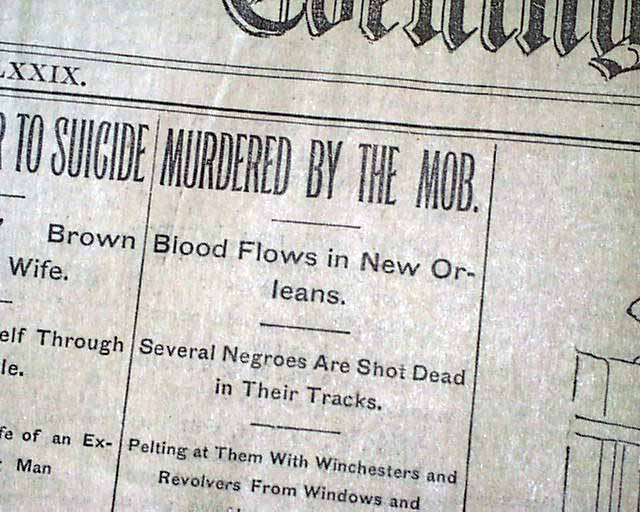
The 1895 New Orleans Dockworkers Riot was a racially motivated attack on non-union black dockworkers by white dockworkers and their sympathizers. The riot occurred in New Orleans, Louisiana from March 9 through 12, 1895 and marked the end of nearly 15 years of bi-racial union cooperation and union power in New Orleans. The riot also left six black laborers dead and many other wounded.
Throughout the 1880s and into the 1890s, black and white dockworker unions worked together to promote fair working conditions and wages for their workers along the New Orleans waterfront. In 1892, the year of the New Orleans general strike, black and white dockworker unions agreed to share work equally between white and black workers.
Following the economic panic of 1893 and the onset of a national depression, New Orleans commerce suffered tremendously from diminished trade, low cotton prices, smaller crops, and a decline in profits. Economic concerns intensified racial tensions and black dockworkers as white dockworkers began to discuss withdrawing from the equal share agreement.
In 1894, white dockworkers specifically accused black dockworkers of breaking the 1892 agreement by undercutting wages and agreeing to work for less money. By October of 1894, the white dockworkers’ union used that charge to formally expel the black unions from their alliance, terminating the brief bi-racial union association. White dockworkers also dock owners and merchants into hiring white workers only by refusing to work alongside black dockworkers. Rioting first erupted on October 26 after black workers were hired to replace striking white workers on some docks.
In December, 1894, the original 50/50 compromise was re-instated. But racial antagonisms remained as white unions, attempting to maintain their racially dominant position, did not give black dockworkers an equal number of jobs. And black workers, fearful of racial violence and unemployment, and encouraged by Booker T. Washington to abandon their interests in unions and strikes, became increasingly disillusioned. Many of them were now willing to work non-unions jobs both on and away from the docks that paid far less. As a result, an all-black, low-wage enclave developed that competed in a “race to the bottom” bidding war in wages with white unions.
In March 1895, the bidding war between white and black laborers erupted into violence. On March 9, nearly 500 armed white men looted a black dockworkers’ storage house destroying half of their equipment. Two days later two coordinated attacks by several hundred armed white men on black laborers left six black dockworkers dead and many more wounded. On March 13, Louisiana Governor Murphy J. Foster dispatched the state militia to protect commerce and property and allow the black dockworkers to continue working. Although peace prevailed, racial tensions along the New Orleans docks remained strained for years.
SUBJECTS:African American History, EventsTERMS:19th Century (1800-1899), United States – Louisiana, Racial Conflict – Race Riots
blackpast.org

 Be a Seed for Change
You must be logged in to post a comment.