For the Wind Advisory, southwest winds 20 to 30 mph with gusts up to 55 mph. For the High Wind Watch, southwest winds 25 to 45 mph with gusts 55 to 65 mph possible.
Where
Portions of northwest and west central Washington.
When
For the Wind Advisory, until 10 PM PST this evening. For the High Wind Watch, from Tuesday evening through Wednesday morning.
Impacts
Damaging winds could blow down trees and power lines. Widespread power outages are possible. Travel could be difficult, especially for high profile vehicles. Gusty winds could blow around unsecured objects. Tree limbs could be blown down and a few power outages may result.
Additional Details
Due to saturated grounds from previous heavy rain, expect more widespread impacts with these winds.
Summary
Monitor the latest forecasts and warnings for updates. Use extra caution when driving, especially if operating a high profile vehicles. Secure outdoor objects. Secure outdoor objects.
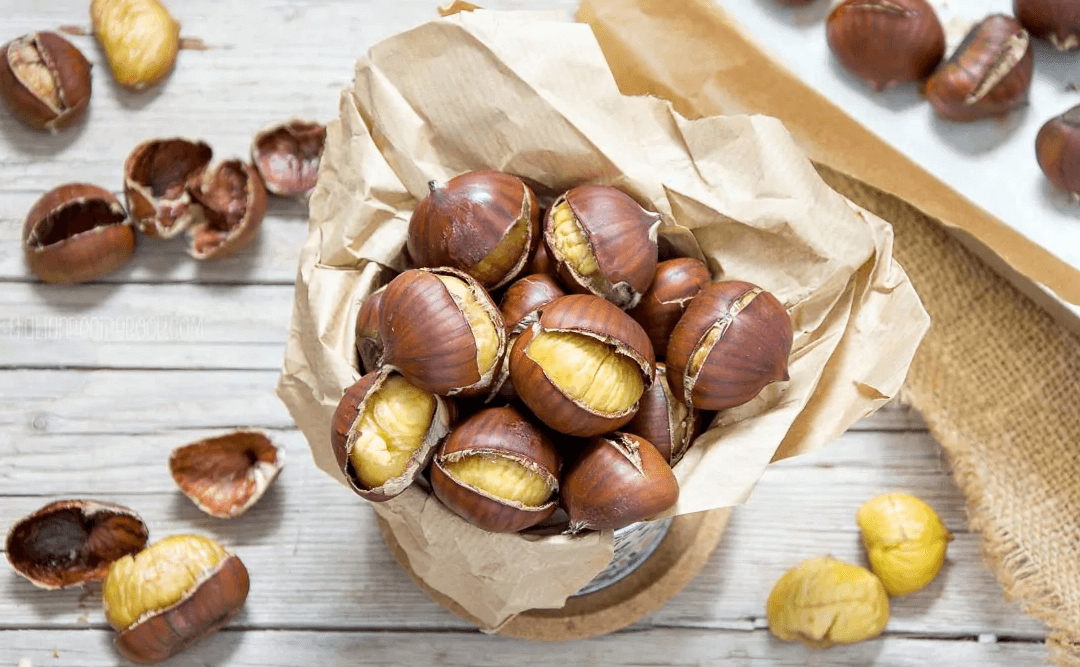
It’s time to honor the humble chestnut on Roast Chestnuts Day, December 14. As it’s the season to be jolly, Roast Chestnuts Day comes at a perfect time for the holiday season. Roasted chestnuts often fill the air with their earthy scent as they’re cooked by street vendors during December. Not only this, but the delicious snack keeps the cold away for those in the Northern Hemisphere. While the day is a relatively new celebration, the tradition of roasting chestnuts has been around for a long time. When they are roasted, the natural sweetness of the nut is revealed, delighting our taste buds!
We have a lot of cultures in history to thank for learning how to roast chestnuts, bringing us the Roast Chestnuts Day we have today! Chestnuts hail from a tree indigenous to the Americas and Asia. There is a multitude of species that mankind has been harvesting for centuries. The Native Americans had been consuming them long before the first European settlers arrived. The Europeans, in turn, were introduced to the chestnut from Sardis. Sardis was an ancient capital, which is now part of eastern Turkey. It was an important city of the Persian Empire until it fell to Alexander the Great in 334 B.C.
Alexander the Great, one of the world’s greatest military generals, together with the Romans, planted chestnuts throughout Europe. The trees were spread throughout the mountainous Mediterranean regions where certain grains could not grow well. Chestnuts became a staple food source for locals and a valuable item in bartering. The ancient Greeks ground them into flour and made chestnut bread. Some species of chestnut trees were grown for their wood as well.
The United States produces only 1% of the world’s chestnut production. China is the world’s leader, even though most American chestnuts are imported from Italy. American chestnuts were decimated by a deadly blight, which ravaged the trees during the early 1900s. Approximately four billion chestnut trees succumbed, and their recovery has been mediocre.
On December 13, 1776, American General Charles Lee leaves his army, riding in search of female sociability at Widow White’s Tavern in Basking Ridge, New Jersey. General George Washington had repeatedly urged General Lee to expedite his movements across New Jersey in order to …read more





 Be a Seed for Change
You must be logged in to post a comment.