
On this date in 1943, the government abruptly announced that wartime rationing of shoes made of leather would go into effect in two days, limiting consumers to buying three pairs per person per year.
Source: (Associated Press)

On this date in 1943, the government abruptly announced that wartime rationing of shoes made of leather would go into effect in two days, limiting consumers to buying three pairs per person per year.
Source: (Associated Press)

1795 – The 11th Amendment to the U.S. Constitution was ratified.
1818 – “Academician” began publication in New York City.
1877 – The first Guernsey Cattle Club was organized in New York City.
1882 – The last bareknuckle fight for the heavyweight boxing championship took place in Mississippi City.
1913 – The Turks lost 5,000 men in a battle with the Bulgarian army in Gallipoli.
1922 – DeWitt and Lila Acheson Wallace offered 5,000 copies of “Reader’s Digest” magazine for the first time.
1931 – The American opera “Peter Ibbetson,” by Deems Taylor, premiered in New York City.
1936 – The U.S. Vice President’s flag was established by executive order.
1940 – “Pinocchio” world premiered at the Center Theatre in Manhattan.
1941 – The Tommy Dorsey Orchestra and Frank Sinatra recorded “Everything Happens to Me.”
1943 – The U.S. government announced that shoe rationing would go into effect in two days.
1944 – During World War II, the Germans launched a counteroffensive at Anzio, Italy.
1959 – The play “The Rivalry” opened in New York City.
1962 – The U.S. government banned all Cuban imports and re-export of U.S. products to Cuba from other countries.
1966 – “Crawdaddy” magazine was published by Paul Williams for the first time.
1974 – The nation of Grenada gained independence from Britain.
1976 – Darryl Sittler (Toronto Maple Leafs) set a National Hockey League (NHL) record when he scored 10 points in a game against the Boston Bruins. He scored six goals and four assists.
1977 – Russia launched Soyuz 24.
1984 – Space shuttle astronauts Bruce McCandless II and Robert L. Stewart made the first untethered space walk.
1985 – “Sports Illustrated” released its annual swimsuit edition. It was the largest regular edition in the magazine’s history at 218 pages.
1985 – “New York, New York” became the official anthem of New York City.
1986 – Haitian President-for-Life Jean-Claude Duvalier fled his country ending 28 years of family rule.
1991 -was sworn in as Haiti’s first democratically elected president.
1999 – NASA’s Stardust space probe was launched. The mission was to return comet dust samples from comet Wild 2. The mission was completed on January 15, 2006 when the sample return capsule returned to Earth.
2000 – California‘s legislature declared that February 13 would be “Charles M. Schulz Day.”
2008 – The Space Shuttle Atlantis launched with the mission of delivering the Columbus science laboratory to the International Space Station.
on-this-day.com
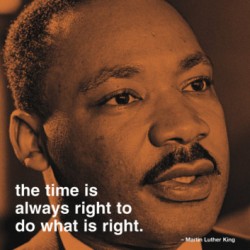
“Of all the forms of inequality, injustice in health care is the most shocking and inhumane.” — Dr. Martin Luther King, Jr.

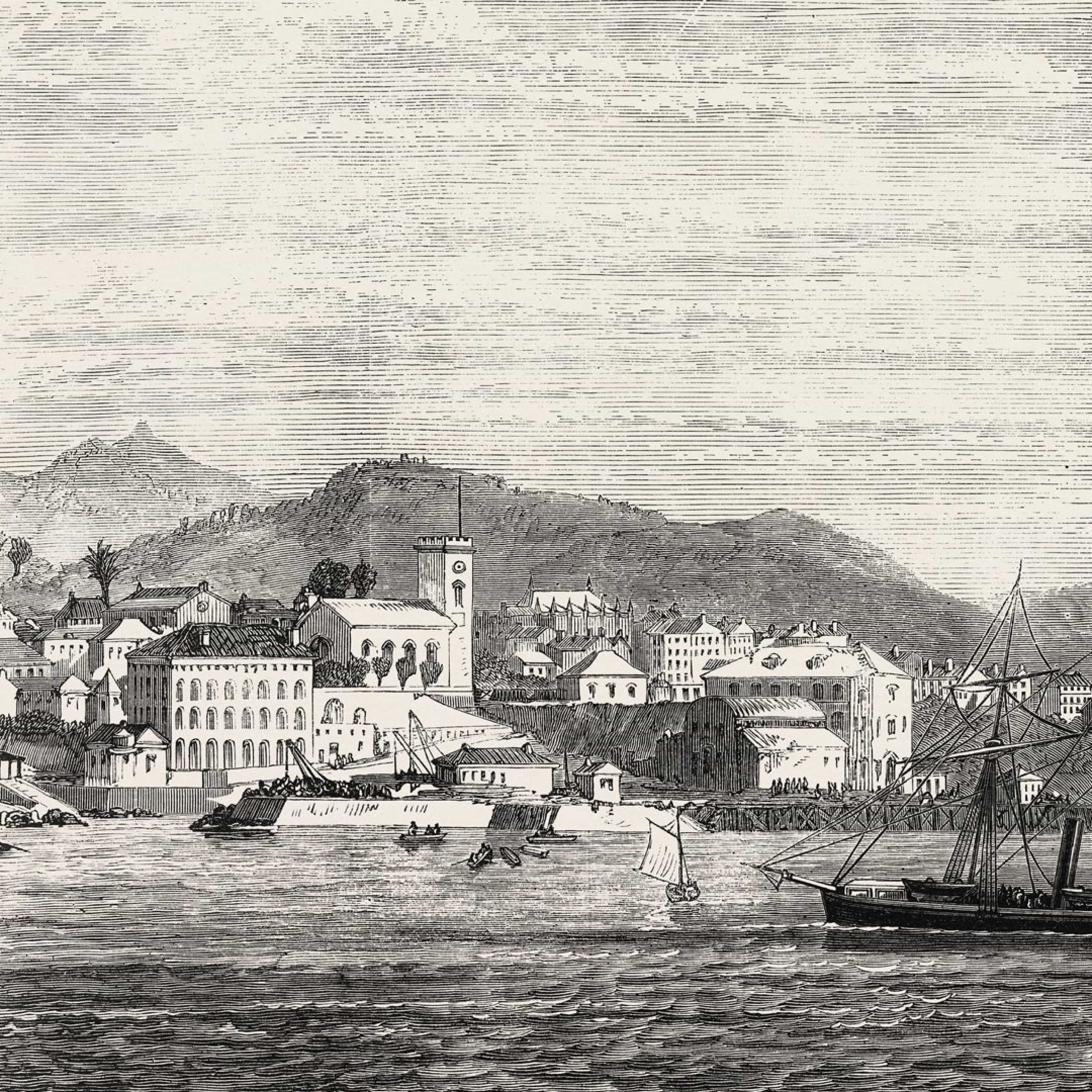
The first organized immigration of freed enslaved people to Africa from the United States departs New York harbor on a journey to Freetown, Sierra Leone, in West Africa. The immigration was largely the work of the American Colonization Society, a U.S. organization founded in 1816 by Robert Finley to return formerly enslaved African people to Africa.
However, the expedition was also partially funded by the U.S. Congress, which in 1819 had appropriated $100,000 to be used in returning displaced Africans, illegally brought to the United States after the abolishment of the slave trade in 1808, to Africa.
Source: history.com for the complete article


 Be a Seed for Change
You must be logged in to post a comment.