1803 – The U.S. Supreme Court ruled itself to be the final interpreter of all constitutional issues.
1835 – “Siwinowe Kesibwi” (The Shawnee Sun) was issued as the first Indian language monthly publication in the U.S.
1839 – Mr. William S. Otis received a patent for the steam shovel.
1857 – The Los Angeles Vinyard Society was organized.
1857 – The first shipment of perforated postage stamps was received by the U.S. Government.
1863 – Arizona was organized as a territory.
1866 – In Washington, DC, an American flag made entirely of American bunting was displayed for the first time.
1868 – The U.S. House of Representatives impeached President Andrew Johnson due to his attempt to dismiss Secretary of War Edwin M. Stanton. The U.S. Senate later acquitted Johnson.
1886 – Thomas Edison and Mina Miller were married.
1900 – New York City Mayor Van Wyck signed the contract to begin work on New York’s first rapid transit tunnel. The tunnel would link Manhattan and Brooklyn. The ground breaking ceremony was on March 24, 1900.
1903 – In Guantanamo Bay, Cuba, an area was leased to the U.S. for a naval base.
1925 – A thermit was used for the first time. It was used to break up a 250,000-ton ice jam that had clogged the St. Lawrence River near Waddington, NY.
1938 – The first nylon bristle toothbrush was made. It was the first time that nylon yarn had been used commercially.
1942 – The U.S. Government stopped shipments of all 12-gauge shotguns for sporting use for the wartime effort.
1942 – The Voice of America (VOA) aired for the first time.
1945 – During World War II, the Philippine capital of Manilla, was liberated by U.S. soldiers.
1946 – Juan Peron was elected president of Argentina.
1956 – The city of Cleveland invoked a 1931 law that barred people under the age of 18 from dancing in public without an adult guardian.
1980 – NBC premiered the TV movie “Harper Valley P.T.A.”
1981 – Buckingham Palace announced the engagement of Britain’s Prince Charles to Lady Diana Spencer.
1983 – The Dow Jones industrial average closed above the 1100 mark for the first time.
1983 – A U.S.congressional commission released a report that condemned the internment of Japanese-Americans during World War II.
1987 – Kareem Abdul-Jabbar, of the Los Angeles Lakers, got his first three-point shot in the NBA.
1987 – An exploding supernova was discovered in the Large Magellanic Cloud galaxy.
1988 – The U.S. Supreme Court overturned a $200,000 award to Rev. Jerry Falwell that had been won against “Hustler” magazine. The ruling expanded legal protections for parody and satire.
1989 – Iran’s Ayatollah Ruhollah Khomeini sentenced Salman Rushdie to death for his novel “The Satanic Verses”. A bounty of one to three-million-dollars was also put on Rushidie’s head.
1989 – A United Airlines 747 jet rips open in flight killing 9 people. The flight was from Honolulu to New Zealand.
1992 – “Wayne’s World” opened in U.S. theaters.
1992 – Tracy Gold began working on the set of “Growing Pains” again. She had left the show due to anorexia.
1994 – In Los Angeles, Garrett Morris was shot during a robbery attempt. He eventually recovered from his injury.
1997 – The U.S. The Food and Drug Administration named six brands of birth control as safe and effective “morning-after” pills for preventing pregnancy.
1997 – Dick Enberg received a star on the Hollywood Walk of Fame.
1999 – In southeast China, a domestic airliner crashed killing all 64 passengers.
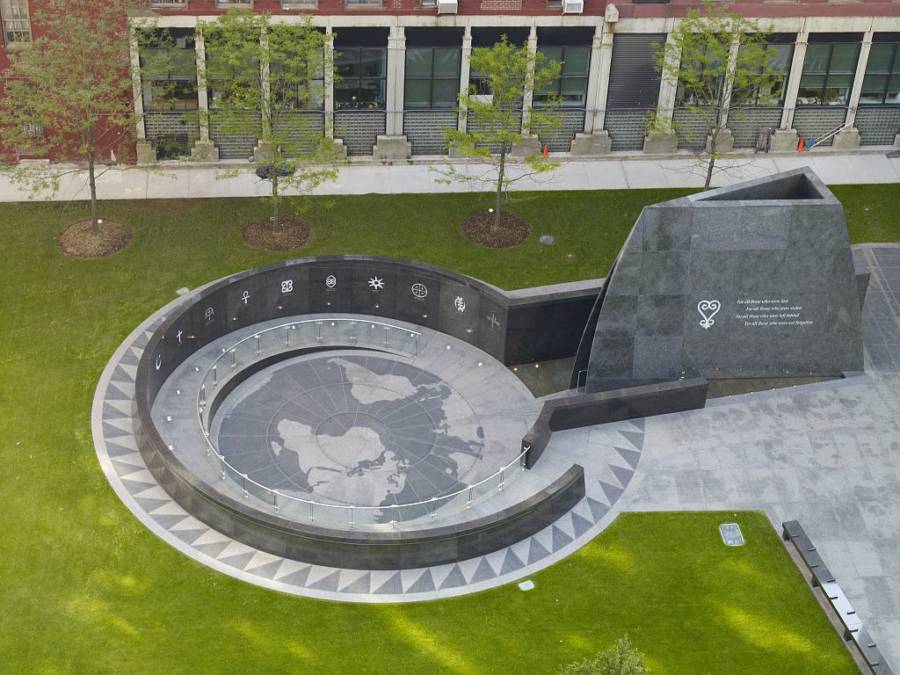
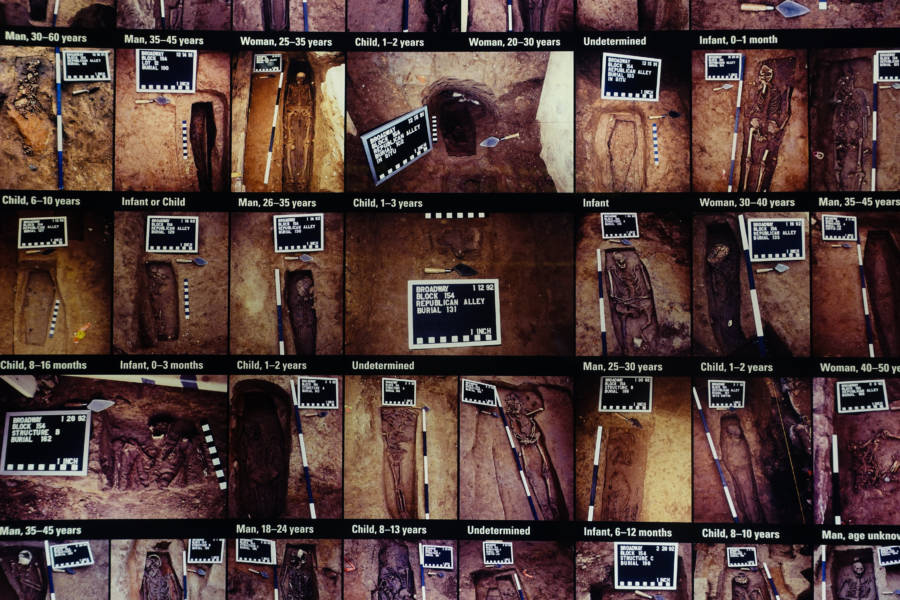
2007 – The Virginia General Assembly passed a resolution expressing “profound regret” for the state’s role in slavery.
2008 – Cuba’s parliament named Raul Castro president. His brother Fidel had ruled for nearly 50 years.
on-this-day.com






 Be a Seed for Change
You must be logged in to post a comment.