|
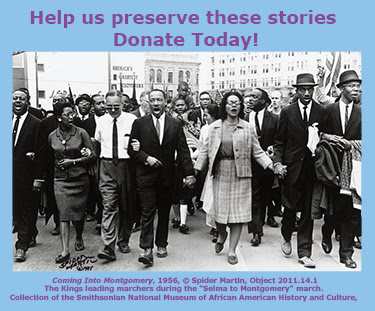
This month marks the 1965 marches in Selma, Alabama — a moment in American history that is layered with bravery, fear, hope, hatred, violence, perseverance, and triumph.
In many ways, Selma is the quintessential American story of people banding together against all odds to stand up for the promise of freedom and fairness. It is a story that deserves to be told, explored and understood by every American in this country.
Whether we realize it or not, every one of us was touched by this courageous moment that is often considered the emotional and political peak of the Civil Rights Movement.
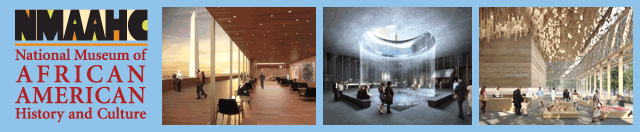
It is because of events like the Selma marches … and the entire Civil Rights Movement … that makes the completing of the National Museum of African American History and Culture on the National Mall so important.
The construction of the Museum is more than halfway complete. But to ensure we can open the Museum’s doors in early fall of next year as scheduled requires additional support from those of us who understand the importance of building this place of remembrance, celebration and reconciliation. Please help keep us on track with a donation of $ 25 or more today.
When I think of African American history, I often think of Selma, Alabama and the Civil Rights crusaders who made the historic marches and all of the African-American heroes, famous and not famous, and the white supporters who came together to push freedom forward.
I’m thinking of people like Amelia Boynton who was beaten, tear-gassed, and left for dead during the Bloody Sunday March. Ms. Boynton lived to tell her story and she is now 103 years old. But it is up to people like you and me to build our Museum to make sure her brave story lives on forever.
That is why the Museum embarked on the very important task of interviewing people who were foot soldiers in the Civil Rights Movement, to give them the chance to tell their stories and have them preserved and shared in ways that resonate with people from all backgrounds.
So as we spend this month commemorating the heroes who courageously marched from Selma to Montgomery in 1965, please take your celebration one step further by making a special contribution of $ 25 or more to the Museum that will forever share this important history with the world.
On behalf of the entire Museum, thank you again for your leadership and support.
All the best,
Lonnie G. Bunch
Founding Director
|




 Be a Seed for Change
You must be logged in to post a comment.