
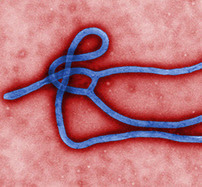
HHS selects regional Ebola treatment center for southwestern U.S.HHS chose the final piece in its network of Ebola treatment centers. Now, each of HHS’s ten regions has a designated treatment center that can handle Ebola and other special pathogens. This regional network of facilities can treat severe, highly infectious diseases and is vital to improving national health security. Learn More >> |
 |
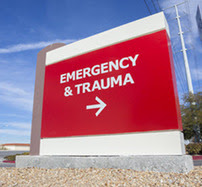
From the ASPR Blog: When active shooters invade safe spaces, having a plan mattersThis week, we saw the deadliest mass shooting in the U.S. history. When many people in the community talk about Pulse, the gay night club that was the scene of the attack, they say the same thing: “this was a safe place. The same can be said for hospitals: we think of them as safe places. Yet according to a study in the Annals of Emergency Medicine, there were 154 hospital-related shootings from 2000-2011. So what steps can hospitals take to keep people safe when an active shooter strikes? Find out >> |
 |
Psychological First AidThis week, the nation was stunned by the shooting at the Pulse nightclub in Orlando, Florida. Learning to help people cope with a disaster before one strikes means you are more prepared to act when people need support. Psychological First Aid is an evidence-informed approach for helping children, adolescents, adults, and families in the aftermath of disaster and terrorism. By taking the time to learn about Psychological First Aid now, you might be ready to help those around you when disaster strikes. Learn More >> |
 |
Post-Mass Shooting Programs and Resources OverviewMany communities are trying to recover from the tragic shooting in Orlando, Florida. ASPR Technical Resources, Assistance Center, and Information Exchange (TRACIE) has gathered information on programs and resources that are available to help communities cope with the disaster and answer tough questions as they recover. Learn More >> |
 |
Guidelines for Travelers Visiting Friends and Family in Areas with Chikungunya, Dengue, or ZikaWhen you visit friends and family in areas with chikungunya, dengue, or Zika, you may be at risk of getting those diseases. When you are staying with friends and family, it can be easy to forget to take precautions, especially if you are staying for a long time. But taking steps to protect yourself from mosquito-borne diseases is critical to your health. Learn more about these diseases, how to protect yourself from them, and who is most at risk from an infection. Learn More >> |
 |

 Be a Seed for Change
You must be logged in to post a comment.