
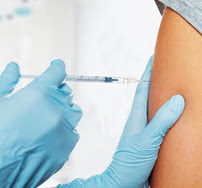
HHS calls on center for innovation to accelerate Zika vaccine developmentRight now, there is no vaccine to protect people from Zika. HHS is working to change that. Today, HHS announced that it is working with one of its Centers for Innovation in Advanced Development and Manufacturing (CIADM) to quickly develop a Zika vaccine. To help develop the vaccine more quickly, the CIADM will use vaccine technology similar to that used in vaccines for similar viruses, such as Dengue. Learn More >> |
 |
HHS moves to boost Zika vaccine capacity in BrazilTo help Brazil develop a vaccine to protect people from Zika virus infection, HHS will join the World Health Organization (WHO) and international public health groups in providing funding and technical assistance to Brazil’s Butantan Institute, a biomedical research center and Brazilian government partner. Learn More >> |
 |
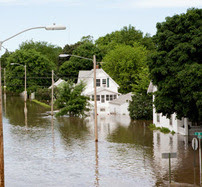
After the Storm: Cleaning up from floodingThis week, historic floods have struck many parts of the country, from West Virginia to California. Floods are the #1 distaster in the United States, according the FEMA. Whether or not a flood has struck your home this week, it makes sense for everyone to learn the basics of how to recover from a flood and what to think about. Take a few minutes to learn answers to questions like “how do I clean up?” and “can I eat that?” Learn More >> |
 |
Parents and Partners are Helping Shape Brighter Futures for Flint’s Children Despite Exposure to LeadA healthy diet, early education, and assistance programs can help children in Flint thrive, but a recent report indicates that some children may need help reaching those goals. If you think that your child may have been exposed to lead – in Flint or elsewhere – learn how parents and partners can work together to shape brighter futures. Learn More >> |
 |
Watch, Listen and Learn: Moving Patients when Disaster StrikesWhen disaster strikes, patients may need to be moved out of state to get the care that they need. Making sure that all of the partners at the federal, state and local levels are ready to act at a moment’s notice to protect health and save lives takes coordination and training. Get an insiders look at one of those training exercises and learn how these responders get ready to respond when seconds count. Learn More >> |
 |

 Be a Seed for Change
You must be logged in to post a comment.