
Fight Flu! Get a Flu Vaccine!Flu season is around the corner! Protect yourself and your family this season with an annual flu vaccine for everyone in your family who is 6 months and older. While the timing of flu season is unpredictable, seasonal flu activity can begin as early as October and last as late as May. CDC recommends that people get vaccinated by the end of October, if possible. It takes about two weeks after vaccination for antibodies to develop in the body that protect against influenza virus infection.Learn More >> |
 |
Don’t Wait! Communicate!If a disaster strikes when you are away from your family or loved ones, how will you get in touch with them? Communication networks, such as mobile phones and computers, could be unreliable during disasters, and the power could go out. Planning in advance will help ensure that all the members of your household—including children and people with disabilities and others with access and functional needs, as well as outside caregivers—know how to reach each other and where to meet up in an emergency. Learn More >> |
 |
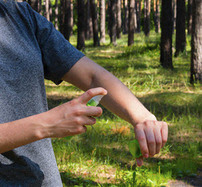
Prevent Mosquito Bites: Keeping Your Kids SafeMany diseases can be spread by mosquito bites, like Zika, chikungunya and dengue. You can protect yourself and your family from mosquito bites by using insect repellent. Be sure that you always follow the manufacturers instructions when applying insect repellent. Adults can spray some onto their hands and then apply it to their children’s faces. Get more tips on safely and effectively using insect spray to protect your child’s health. Learn More >> |
 |
BARDA awards funding to speed development of Zika vaccineBARDA is transitioning the advanced development of an inactivated Zika vaccine from U.S. Government-led program to industry partner. Inactivated vaccines are often more stable than live vaccines and some have shown to be safe and effective when given to special populations including people with immunocompromised conditions and pregnant women. If approved, this vaccine could help prevent the birth defects that are associated with Zika. Learn More >> |
 |
HHS sponsors next-generation genetic sequencing platformASPR announced that it is supporting the development a next-generation genetic sequencing platform that could help speed the response to pandemic influenza and curb antibiotic resistance. The technology would be able to determine the genetic code of a sample and identify the organism within two to four hours. Learn More >> |
 |
HHS supports next-generation anthrax vaccine into advanced developmentToday, ASPR announced that it is supporting a next-generation anthrax vaccine that could be used to protect health in the event of an anthrax attack. If approved, the new vaccine could be effective in as little as two doses. NuThrax is a modified formulation of the licensed vaccine BioThrax, an anthrax vaccine manufactured by Emergent that requires three doses to protect against anthrax. Learn More >> |
 |
From the ASPR Blog: From the front lines of the anthrax investigation to pre-staging our future health responseFifteen years ago, anthrax was used as a terrorist weapon. Dr. Jaffe, Director of Medical Countermeasures Strategy and Requirement in ASPR’s Office of Policy and Planning, provides a behind-the-scenes look at the response and talks about some of the progress that we have made to prepare the nation since those attacks. Learn More >> |
 |
For bioterrorism preparedness, HHS sponsors inhaled chlorine antidoteThis week, ASPR announced that the agency will provide funding and technical assistance for the next development stages of an antidote to treat people who have inhaled dangerous amounts of chlorine gas. Chlorine gas is a widely available industrial chemical with catastrophic consequences in industrial accidents and can be used as a chemical weapon. If approved, this product could be the first antidote to treat the life-threatening effects of chlorine inhalation. Learn More >> |
 |

 Be a Seed for Change
You must be logged in to post a comment.