It may increase the divorce rates by making it easier and cheaper to end a marriage.
It may encourage bad marital behavior and domestic violence by removing the legal consequences of such actions.
It may undermine the concept of mutual interdependence and commitment that was traditionally central to marriage
Wow, the pros and cons are certainly out there for everyone to dig deeper into why MAGARs are doing this… thing is, no-fault seems to leave Women a $dollar dollar short
The Civil Rights Act of 1964 is a landmark civil rights and labor law in the United States that outlaws discrimination based on race, color, religion, sex, national origin, and later sexual orientation and gender identity. It prohibits unequal application of voter registration requirements, racial segregation in schools and public accommodations, and employment discrimination.
The act “remains one of the most significant legislative achievements in American history”.
: Hubert Humphrey served as America’s 38th Vice President under President Lyndon B. Johnson from 1964-69. He later ran as the Democratic candidate for President in the 1968 election, after Johnson decided not to run again, but lost to Richard Nixon.
A leading progressive in the Democratic party Humphrey was an important legislator during a turbulent period in America’s history. First elected to the Senate in 1948, he was instrumental in pushing for the 1963 Limited Nuclear Test Ban Treaty with the Soviet Union. In 1964 he shepherded the Civil Rights Act into law.
Humphrey’s support for Johnson and for the Vietnam war was a crucial factor in his defeat when he ran for President in 1968. He then returned to the Senate, serving until his death in 1978.
Born: May 27, 1911 Birthplace: Wallace, South Dakota, USA
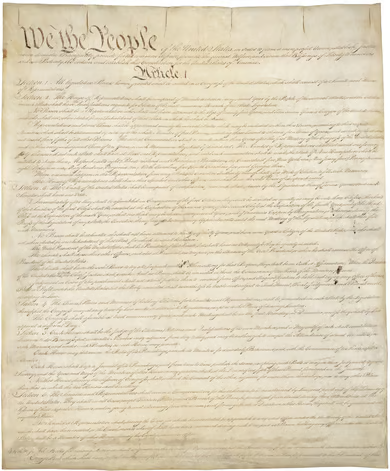
The supreme law of the United States of America, the US Constitution, was drafted by the Philadelphia Constitutional Convention which took place between May 25 and September 17, 1787.
It was the first constitution of its kind, and has influenced the constitutions of many other nations.
Since the Constitution came into force in 1789, it has been amended 27 times.
Republicans in the Senate have BLOCKED a bill that would protect the right to use basic birth control, like IUDs, Plan B, and the pill. Sign the petition to demand representatives sign on to a discharge petition that would force Republicans to bring the Right to Contraception Act to a vote in the House THIS YEAR!
Why is this important?
First, abortion. Then, IVF. Now, conservative lawmakers are putting contraception at risk.
Nearly all voters—Republicans, Democrats, and Independents—support the right to contraception. Millions of people use it to plan their families and manage their health. But instead of protecting this right and enshrining it into law, Republicans in the Senate blocked the Right to Contraception Act.
Every American should have the freedom to use contraception if and when they need it—and the assurance that the government will never take it away from us.
Right now, there’s another path forward. A discharge petition is circulating in the House of Representatives that, if they get enough signatures, would force the Republican majority to bring the Right to Contraception Act to a vote in the House. Sign the petition to urge your representative to support the right to contraception, sign the discharge petition, and fight for our freedom to plan our families and our futures.
Limits on Move-In Fees: The regulations also impose limits on move-in fees. This helps prevent excessive upfront costs for renters when moving into a new rental property.
Late Fee Cap: Late fees are now capped at 1.5% of the rent amount. This ensures that landlords cannot impose disproportionately high penalties for late payments.





You must be logged in to post a comment.