1989~June 4 ~ Tiananmen Square


June 4, 1989 – The Chinese government ordered its troops to open fire on unarmed protesters in Tiananmen Square in Beijing. The protest had started on April 16 as about 1,000 students marched to mourn the death of Hu Yaobang, a pro-reform leader within the Chinese government. Despite government warnings, pro-reform and pro-democracy demonstrations continued for a month drawing ever-larger crowds of young people, eventually totaling over a million persons. On May 13, three thousand students began an eight-day hunger strike. The government imposed martial law on May 20 and brought in troops. On June 2, in their first clash with the People’s Army, demonstrators turned back an advance of unarmed troops. However, in the pre-dawn hours of June 4, the People’s Army, using tanks, machine-guns, clubs and tear gas, opened fire on the unarmed protesters. Armored personnel carriers then rolled into the square crushing students still sleeping in their tents. The Chinese government later claimed only 300 died in the attack. U.S. estimates put the toll at over 3,000. Following the massacre, over 1,600 demonstrators were rounded up and jailed, with 27 being executed.

1924 The Indian Citizenship Act ~ June 2


With Congress’ passage of the Indian Citizenship Act, the government of the United States confers citizenship on all Native Americans born within the territorial limits of the country.

Before the Civil War, citizenship was often limited to Native Americans of one-half or less Indian blood. In the Reconstruction period, progressive Republicans in Congress sought to accelerate the granting of citizenship to friendly tribes, though state support for these measures was often limited.

In 1888, most Native American women married to U.S. citizens were conferred with citizenship, and in 1919 Native American veterans of World War I were offered citizenship.

The Indian Citizenship Act of 1924, an all-inclusive act, was passed by Congress. The privileges of citizenship, however, were largely governed by state law, and the right to vote was often denied to Native Americans in the early 20th century.

… no words for this, sigh

Hello June … hug a friend


Pipsqueek says:  I’m so happy your my friend!

june 2 observance and holidays


See the source image
  • Global Running Day – June 2, 2021 (First Wednesday in June)
  • I Love My Dentist Day 
  • International Sex Workers Day 
  • National Bubba Day 
  • National Leave the Office Early Day – June 2, 2021 (Usually June 2 unless that day is on a weekend)
  • National Rocky Road Ice Cream Day 
  • National Rotisserie Chicken Day 
  • National Running Day – June 2, 2021 (First Wednesday in June)
  • National Tailors Day – June 2, 2021 (First Wednesday in June)
  • Yell “Fudge” at the Cobras in North America Day 

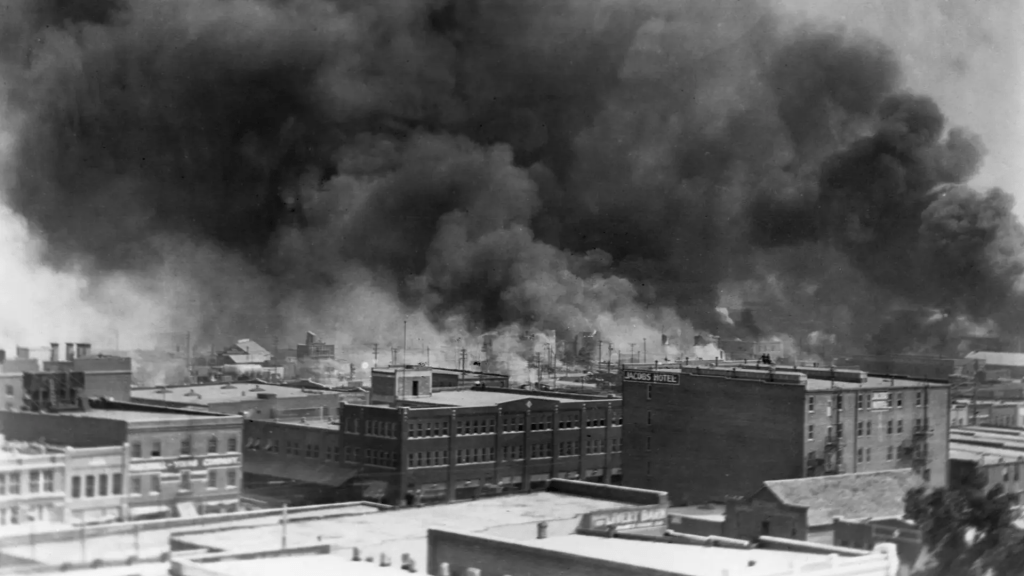
Tulsa Massacre… 1921 May 31st – June 1st


Beginning on the night of May 31, 1921, thousands of white citizens in Tulsa, Oklahoma descended on the city’s predominantly Black Greenwood District, burning homes and businesses to the ground and killing hundreds of people. Long mischaracterized as a race riot, rather than mass murder, the Tulsa Race Massacre stands as one of the worst incidents of racial violence in the nation’s history.

In the years following World War I, segregation was the law of the land, and the Ku Klux Klan was gaining ground—not only in the Jim Crow South, but across the United States. Amid that charged environment, Tulsa’s African American community was nationally recognized for its affluence. The Greenwood District, known as “Black Wall Street,” boasted more than 300 Black-owned businesses, including two movie theaters, doctors’ offices and pharmacies.

On May 30, 1921, a young Black man named Dick Rowland entered an elevator in an office building in downtown Tulsa. At some point, Rowland was alone in the elevator with its white operator, Sarah Page. It’s unclear what happened next (one common version is that Rowland stepped on Page’s foot) but Page screamed, and Rowland fled the scene. The next day, the police arrested him.

Tulsa Race Massacre

Source: history.com