
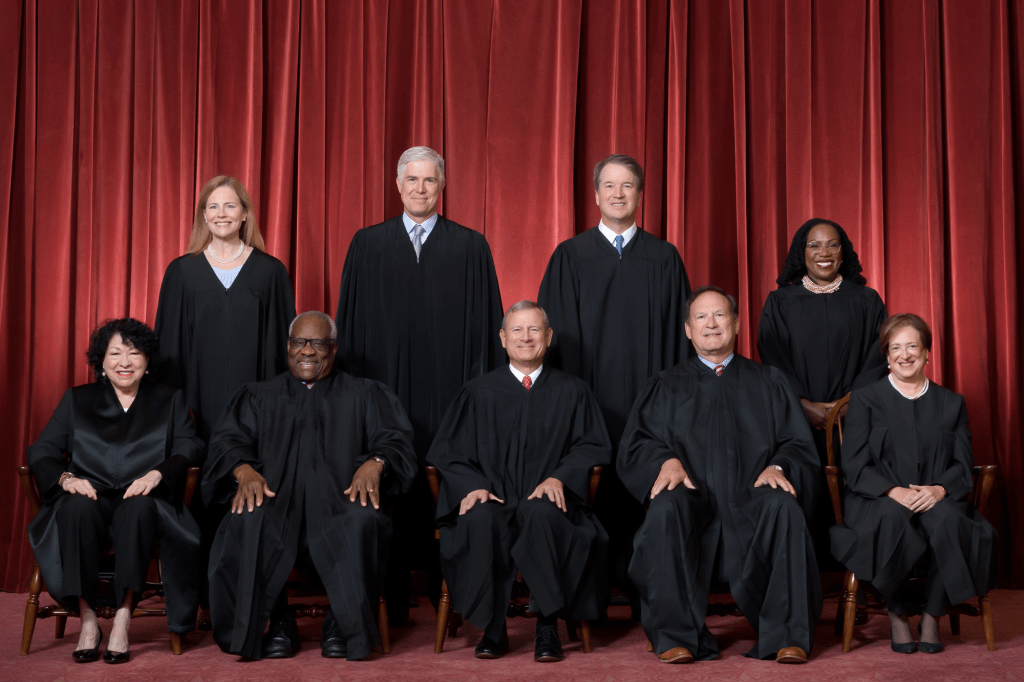
In 1954, the Supreme Court issued a momentous ruling that clarified how the American legal system handled charges of discrimination. In Hernandez v. Texas, the Supreme Court unanimously ruled that the Fourteenth Amendment applied to all racial and ethnic groups facing discrimination, effectively broadening civil rights laws to include Hispanics and all other non-whites.
The defendant, Peter Hernandez, was a Mexican American agricultural laborer, part of the influx of such workers that had come to Texas during and after World War II. Hernandez was convicted of killing a man in cold blood in Jackson County, Texas, but his legal team, which was drawn mostly from one of the oldest Latino civil rights groups in the nation, the League of United Latin American Citizens, appealed. They pored through the records of jury selections in Jackson County, an area with a substantial Hispanic population, and found that not one of the roughly 6,000 jurors selected over the previous 25 years had a Hispanic last name. Citing the Fourteenth Amendment, which had been passed in 1868 and guaranteed equal protection under the law to all African Americans, Hernandez’s lawyers claimed he had been deprived of equal protection because discrimination prevented him from being tried by a jury of his peers.
Source: history.com for the complete

 Be a Seed for Change
You must be logged in to post a comment.