Category Archives: ~ Culture & History

In Memory of Bob Marley … 5/11/1981


All images

HISTORY & CULTURE

Bob Marley

Though Bob Marley died of melanoma on May 11, 1981, the singer’s popularity remains alive as ever. His ongoing celebrity has helped Marley’s estate continue to make money (according to Forbes magazine, Marley earned $21 million in 2015, making him the deceased star with the fourth-highest income; proceeds go to his 11 children and his widow). While some of these earnings were from music — more than 75 million of his albums have been sold — Marley’s post-mortem income also reached the stratosphere because his name and image are now used in numerous business endeavors. Here are some of the most interesting products that are tied to the artist and his legacy.

saymedia.com

Why the Founder of Mother’s Day Turned Against It : by Sarah Pruitt


a repost

Beginning in the 1850s, Ann Reeves Jarvis of West Virginia started Mothers’ Day Work Clubs in order to teach women proper child-care techniques and sanitation methods. In the years following the Civil War, these same clubs became a unifying force for a country ripped apart by conflict. In 1868, Jarvis and other women organized a Mothers Friendship Day, when mothers gathered with former soldiers of both the Union and Confederacy to promote reconciliation. After Ann Reeves Jarvis died in 1905, it was her daughter Anna Jarvis who would work tirelessly to make Mother’s Day a national holiday.

Fairtradeflowers

Anna Jarvis, who had no children of her own, conceived of Mother’s Day as an occasion for honoring the sacrifices individual mothers made for their children.

In May 1908, she organized the first official Mother’s Day events at a church in her hometown of Grafton, West Virginia, as well as at a Wanamaker’s department store in Philadelphia, where she lived at the time. Jarvis then began writing letters to newspapers and politicians pushing for the adoption of Mother’s Day as an official holiday. By 1912, many other churches, towns and states were holding Mother’s Day celebrations, and Jarvis had established the Mother’s Day International Association. Her hard-fought campaign paid off in 1914, when President Woodrow Wilson signed a bill officially establishing the second Sunday in May as Mother’s Day.

Jarvis’ conceived of of Mother’s Day as an intimate occasion—a son or daughter honoring the mother they knew and loved—and not a celebration of all mothers. For this reason, she always stressed the singular “Mother’s” rather than the plural. She soon grew disillusioned, as Mother’s Day almost immediately became centered on the buying and giving of printed cards, flowers, candies and other gifts. Seeking to regain control of the holiday she founded, Jarvis began openly campaigning against those who profited from Mother’s Day, including confectioners, florists and other retailers. She launched numerous lawsuits against groups using the name Mother’s Day, and eventually spent much of her sizeable inheritance on legal fees.

In 1925, when an organization called the American War Mothers used Mother’s Day as an occasion for fundraising and selling carnations, Jarvis crashed their convention in Philadelphia and was arrested for disturbing the peace. Later, she even attacked First Lady Eleanor Roosevelt for using Mother’s Day as an occasion to raise money for charity. By the 1940s, Jarvis had disowned the holiday altogether, and even actively lobbied the government to see it removed from the calendar. Her efforts were to no avail, however, as Mother’s Day had taken on a life of its own as a commercial goldmine. Largely destitute, and unable to profit from the massively successful holiday she founded, Jarvis died in 1948 in Philadelphia’s Marshall Square Sanitarium.

The sad history of Mother’s Day founder Anna Jarvis has done nothing to slow down the popularity—and commercialism—of the holiday. According to an annual spending survey conducted by the National Retail Federation, Americans will spend an average of $168.94 on Mother’s Day in 2013, a whopping 11 percent increase from 2012. In total, Mother’s Day spending is expected to reach $20.7 billion this year. In addition to the more traditional gifts (ranging from cards, flowers and candy to clothing and jewelry), the survey showed that an unprecedented 14.1 percent of gift-givers plan to buy their moms high-tech gadgets like smartphones and tablets.

In memory … Albert Einstein March 14, 1879 – April 18, 1955


TumblrAlbertEnsteina0630a335c22bfc39dac14f5bdde1dfd

Albert Einstein famously said that “politics is more difficult than physics.”

  • Did You Know?: Einstein was asked to be the president of Israel, but he declined: After Chaim Weizmann, Israel’s first president, died in 1952, the country’s prime minister offered the job to Einstein.
  • Did You Know?: Einstein died after refusing surgery, saying, “I want to go when I want. It is tasteless to prolong life artificially. I have done my share, it is time to go. I will do it elegantly.”
  • EDUCATION: Luitpold Gymnasium, Eidgenössische Polytechnische Schule (Swiss Federal Polytechnic School)
  • PLACE OF BIRTH: Ulm, Württemberg, Germany BIRTH DATE: March 14, 1879
  • PLACE OF DEATH: Princeton, New Jersey

Resources: bio.com   history.com

History~ the month of March


The History Place - This Month in History

March 1

1781 – Formal ratification of the Articles of Confederation was announced by Congress. Under the Articles, Congress was the sole governing body of the new American national government, consisting of the 13 original states. The Articles remained in effect through the Revolutionary War until 1789, when the current U.S. Constitution was adopted.

March 30

1855 – About 5,000 “Border Ruffians” from western Missouri invaded the territory of Kansas and forced the election of a pro-slavery legislature. It was the first election in Kansas.

1958 – The Alvin Ailey American Dance Theater gave its initial performance.

 1981 – Newly elected President Ronald Reagan was shot in the chest while walking toward his limousine in Washington, D.C., following a speech inside a hotel. The president was then rushed into surgery to remove a 22-caliber bullet from his left lung. “I should have ducked,” Reagan joked. Three others were also hit including Reagan’s Press Secretary, James Brady, who was shot in the forehead but survived. The president soon recovered from the surgery and returned to his duties.

1909 – In Oklahoma, Seminole Indians revolted against meager pay for government jobs.

1939 – The comic book “Detective Comics #27” appeared on newstands. This comic introduced Batman.

1981 – U.S. President Ronald Reagan was shot and wounded in Washington, DC, by John W. Hinckley Jr. Two police officers and Press Secretary James Brady were also wounded.

Birthday – Vincent Van Gogh (1853-1890) was born in Groot Zundert, Holland. He was a Postimpressionist painter, generally considered the greatest Dutch painter after Rembrandt. During his short (10-year) painting career he produced over 800 oil paintings and 700 drawings, but sold only one during his lifetime. In 1987, the sale of his painting Irises brought $53.9 million, the highest price ever paid for a work of art up to that time. During his life, Van Gogh suffered from despair and bouts of mental illness, at one point cutting off part of his own left ear. He committed suicide in 1890 by gunshot.

March 31

1945 – “The Glass Menagerie” by Tennessee Williams opened on Broadway.

1776 – Abigail Adams wrote to her husband John that women were “determined to foment a rebellion” if the new Declaration of Independence failed to guarantee their rights.

 1933 – The Civilian Conservation Corps, the CCC, was founded. Unemployed men and youths were organized into quasi-military formations and worked outdoors in national parks and forests.

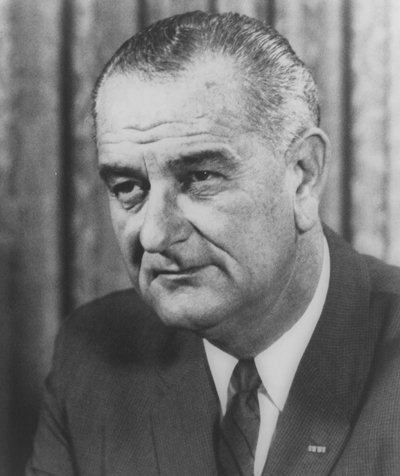
 1968 – President Lyndon Johnson made a surprise announcement that he would not seek re-election as a result of the Vietnam conflict.

1885 – Binney & Smith Company was founded in New York City. The company later became Crayola, LLC.

1889 – In Paris, the Eiffel Tower officially opened.

1870 – In Perth Amboy, NJ, Thomas Munday Peterson became the first black to vote in the U.S.

1902 – In Tennessee, 22 coal miners were killed by an explosion.

1904 – In India, hundreds of Tibetans were slaughtered by the British.

1908 – 250,000 coal miners in Indianapolis, IN, went on strike to await a wage adjustment.

1900 – In France, the National Assembly passed a law reducing the workday for women and children to 11 hours.

 1991 – The Soviet Republic of Georgia, birthplace of Josef Stalin, voted to declare its independence from Soviet Russia, after similar votes by Lithuania, Estonia and Latvia. Following the vote in Georgia, Russian troops were dispatched from Moscow under a state of emergency.

Birthday – Boxing champion Jack Johnson (1878-1946) was born in Galveston, Texas. He was the first African American to win the heavyweight boxing title.

(Photo and picture credits: Library of Congress and U.S. National Archives)

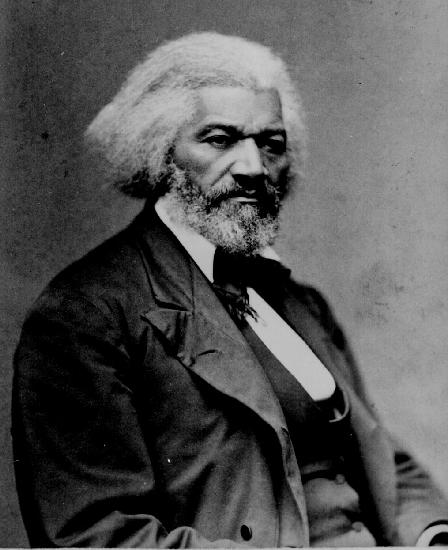
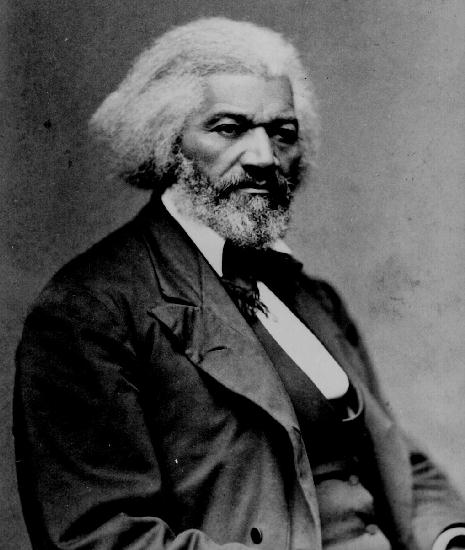
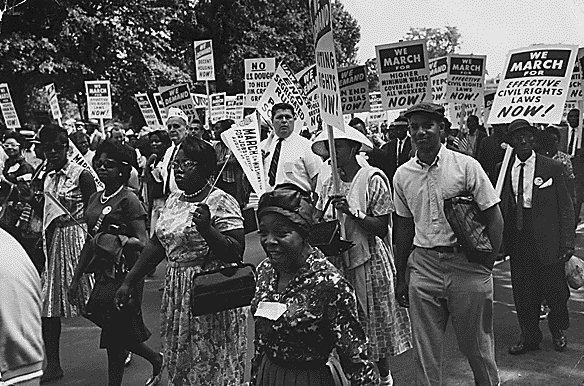
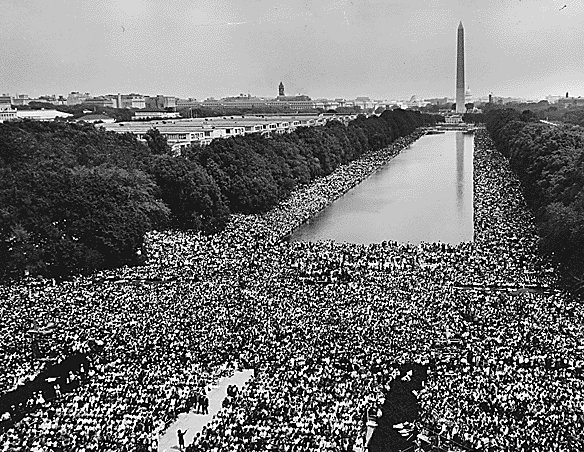
Slavery Emancipation and freedom- the journey of – In Memory


By Lestey Gist, The Gist of Freedom

Celebrating emancipation

Celebration: The Abolishment of Slavery Worldwide!
The annual observance in March of the International Day of Remembrance for the Victims of Slavery and the Transatlantic Slave Trade

This year’s theme, “Forever Free: Celebrating Emancipation,” pays tribute to the emancipation of slaves in nations across the world. This year is particularly important with many key anniversaries, including 220 years since France’s General Emancipation decree liberated all slaves in present-day Haiti; 180 years since the Slavery Abolition Act of 1833 ended slavery in Canada, the British West Indies and the Cape of Good Hope; and 170 years ago, the Indian Slavery Act of 1843 was signed. Slavery was also abolished 165 years ago in France; 160 years ago in Argentina; 150 years ago in the Dutch colonies; and 125 years ago in Brazil.

2013 is also the anniversary of the Emancipation Proclamation in the United States, which declared that, on 1 January 1863, all persons held as slaves within any States, or designated part of the State, the people whereof shall be in rebellion against the United States, shall be then, thenceforward, and forever free.

For over 400 years, more than 15 million men, women, and children were the victims of the tragic transatlantic slave trade, one of the darkest chapters in human history.

The annual observance of 25 March as the International Day of Remembrance for the Victims of Slavery and the Transatlantic Slave Trade serves as an opportunity to honor and remember those who suffered and died at the hands of the brutal slavery system, and to raise awareness about the dangers of racism and prejudice today.

220 years since France’s General Emancipation decree liberated all slaves in present-day Haiti;

180 years since the Slavery Abolition Act of 1833 ended slavery in Canada, the British West Indies and the Cape of Good Hope; and

170 years ago, the Indian Slavery Act of 1843 was signed.

165 years ago it was abolished in France;

160 years ago in Argentina;

150 years ago in the Dutch colonies; and

125 years ago in Brazil.

Source: blackthen.com