All 48 fruits and vegetables with pesticide residue data


EWG analyzed pesticide residue testing data from the U.S. Department of Agriculture and Food and Drug Administration to come up with rankings for these popular fresh produce items. All 48 foods are listed below from worst to best (lower numbers = more pesticides).

Note: EWG analyzed pesticide tests of 48 popular produce items. Domestic and imported versions of two items – blueberries and snap peas – showed sharply different results, so we have ranked those domestic and imported items separately. As a result, the full list of foods ranked by the Shopper’s Guide displays 50 entries.

1 EWG's Dirty Dozen Plus and Clean Fifteen Lists

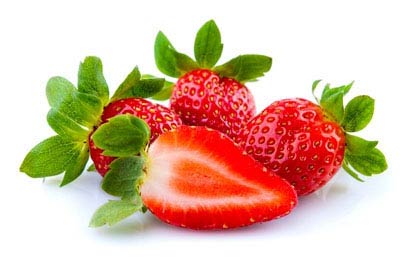
Strawberries


2 EWG's Dirty Dozen Plus and Clean Fifteen Lists

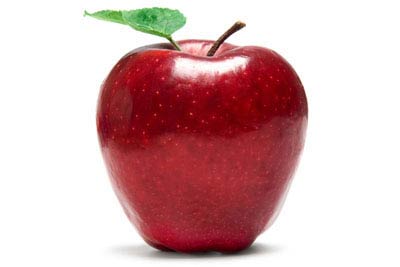
Apples


3 EWG's Dirty Dozen Plus and Clean Fifteen Lists

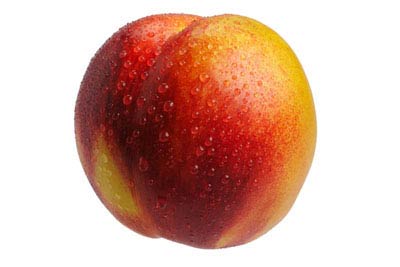
Nectarines


4 EWG's Dirty Dozen Plus and Clean Fifteen Lists

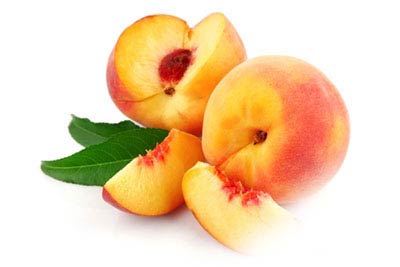
Peaches


5 EWG's Dirty Dozen Plus and Clean Fifteen Lists

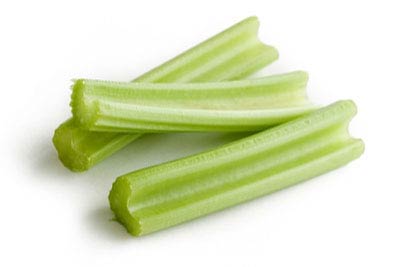
Celery


6 EWG's Dirty Dozen Plus and Clean Fifteen Lists

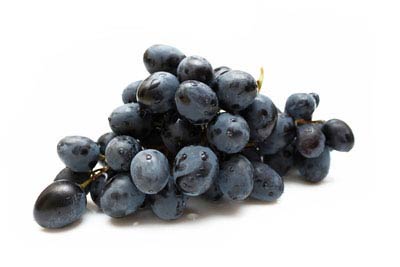
Grapes


7 EWG's Dirty Dozen Plus and Clean Fifteen Lists

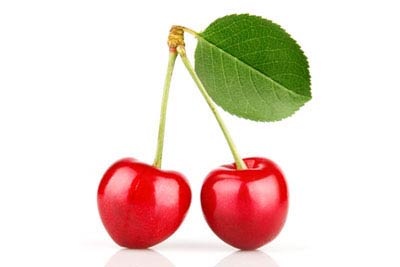
Cherries


8 EWG's Dirty Dozen Plus and Clean Fifteen Lists

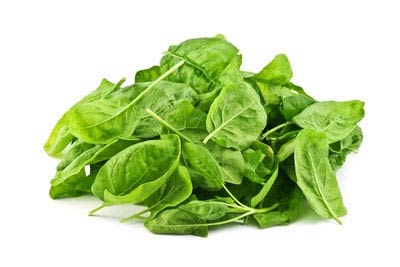
Spinach


9 EWG's Dirty Dozen Plus and Clean Fifteen Lists

Tomatoes


10 EWG's Dirty Dozen Plus and Clean Fifteen Lists

Sweet bell peppers


11 EWG's Dirty Dozen Plus and Clean Fifteen Lists

Cherry tomatoes


12 EWG's Dirty Dozen Plus and Clean Fifteen Lists

Cucumbers


13 EWG's Dirty Dozen Plus and Clean Fifteen Lists

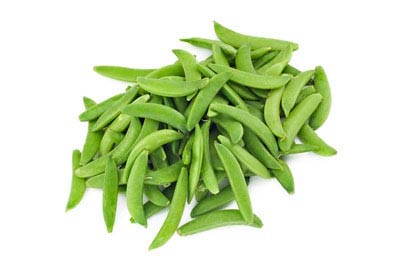
Snap peas – imported


14 EWG's Dirty Dozen Plus and Clean Fifteen Lists

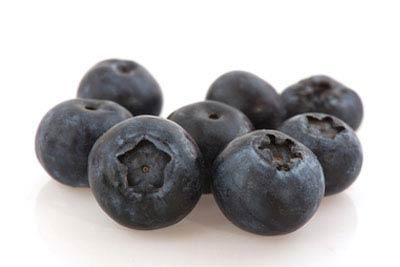
Blueberries – domestic


15 EWG's Dirty Dozen Plus and Clean Fifteen Lists

Potatoes


16 EWG's Dirty Dozen Plus and Clean Fifteen Lists

Hot peppers +


17 EWG's Dirty Dozen Plus and Clean Fifteen Lists

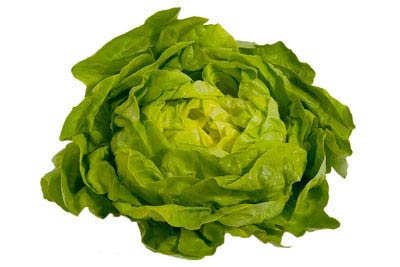
Lettuce


18 EWG's Dirty Dozen Plus and Clean Fifteen Lists

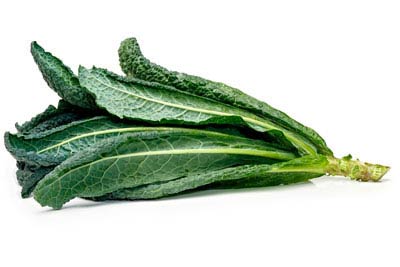
Kale / collard greens +


19 EWG's Dirty Dozen Plus and Clean Fifteen Lists

Blueberries – imported


20 EWG's Dirty Dozen Plus and Clean Fifteen Lists

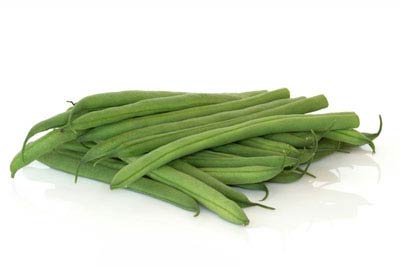
Green beans


21 EWG's Dirty Dozen Plus and Clean Fifteen Lists

Plums


22 EWG's Dirty Dozen Plus and Clean Fifteen Lists

Pears


23 EWG's Dirty Dozen Plus and Clean Fifteen Lists

Raspberries


24 EWG's Dirty Dozen Plus and Clean Fifteen Lists

Carrots


25 EWG's Dirty Dozen Plus and Clean Fifteen Lists

Winter squash


26 EWG's Dirty Dozen Plus and Clean Fifteen Lists

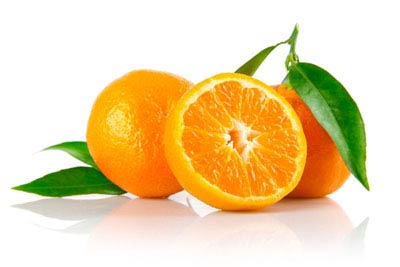
Tangerines


27 EWG's Dirty Dozen Plus and Clean Fifteen Lists

Summer squash*


28 EWG's Dirty Dozen Plus and Clean Fifteen Lists

Snap peas – domestic


29 EWG's Dirty Dozen Plus and Clean Fifteen Lists

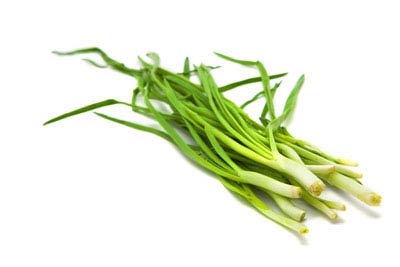
Green onions


30 EWG's Dirty Dozen Plus and Clean Fifteen Lists

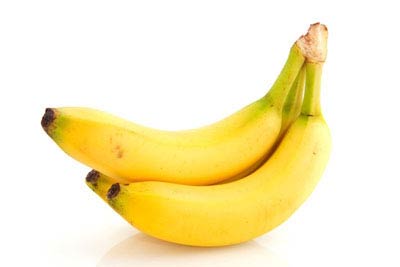
Bananas


31 EWG's Dirty Dozen Plus and Clean Fifteen Lists

Oranges


32 EWG's Dirty Dozen Plus and Clean Fifteen Lists

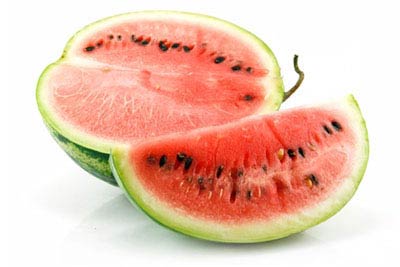
Watermelon


33 EWG's Dirty Dozen Plus and Clean Fifteen Lists

Broccoli


34 EWG's Dirty Dozen Plus and Clean Fifteen Lists

Sweet potatoes


35 EWG's Dirty Dozen Plus and Clean Fifteen Lists

Mushrooms


36 EWG's Dirty Dozen Plus and Clean Fifteen Lists

Cauliflower


37 EWG's Dirty Dozen Plus and Clean Fifteen Lists

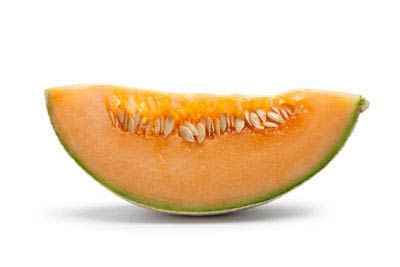
Cantaloupe


38 EWG's Dirty Dozen Plus and Clean Fifteen Lists

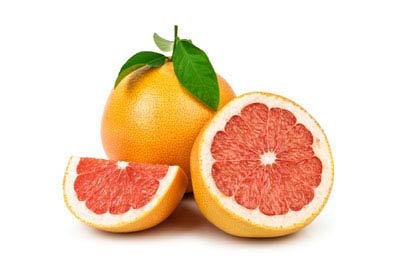
Grapefruit


39 EWG's Dirty Dozen Plus and Clean Fifteen Lists

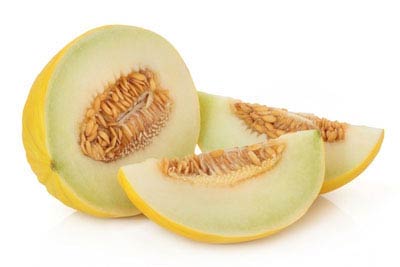
Honeydew melon


40 EWG's Dirty Dozen Plus and Clean Fifteen Lists

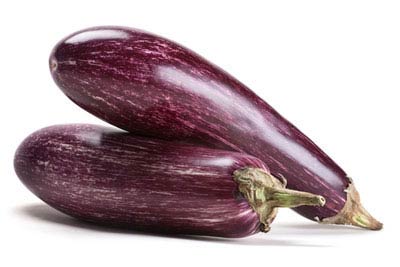
Eggplant


41 EWG's Dirty Dozen Plus and Clean Fifteen Lists

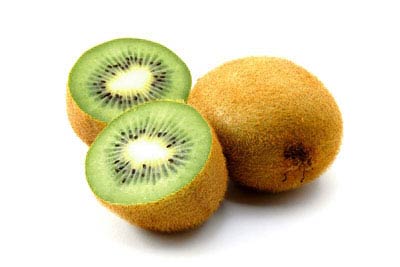
Kiwi


42 EWG's Dirty Dozen Plus and Clean Fifteen Lists

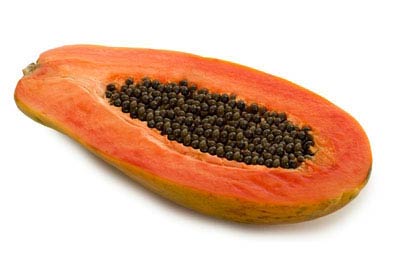
Papayas*


43 EWG's Dirty Dozen Plus and Clean Fifteen Lists

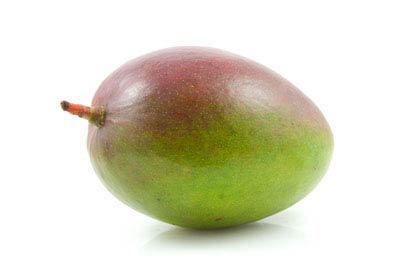
Mangos


44 EWG's Dirty Dozen Plus and Clean Fifteen Lists

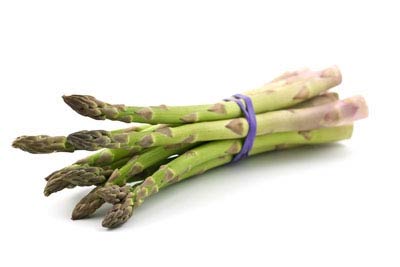
Asparagus


45 EWG's Dirty Dozen Plus and Clean Fifteen Lists

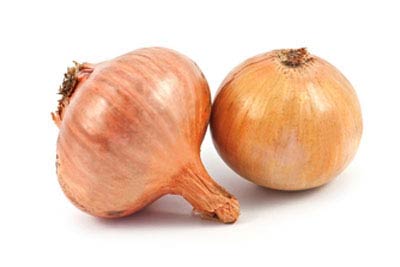
Onions


46 EWG's Dirty Dozen Plus and Clean Fifteen Lists

Sweet peas frozen


47 EWG's Dirty Dozen Plus and Clean Fifteen Lists

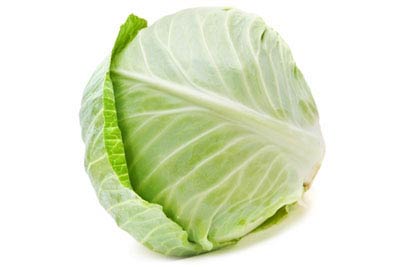
Cabbage


48 EWG's Dirty Dozen Plus and Clean Fifteen Lists

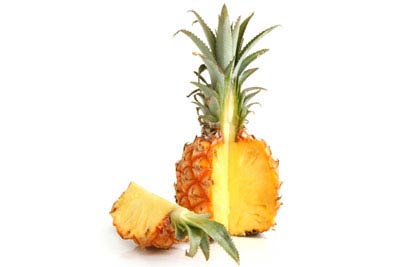
Pineapples


49 EWG's Dirty Dozen Plus and Clean Fifteen Lists

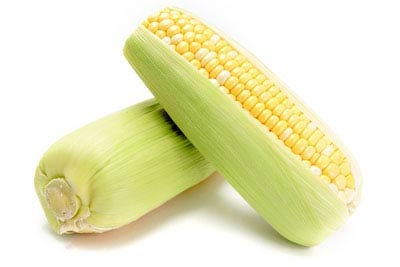
Sweet Corn*


50 EWG's Dirty Dozen Plus and Clean Fifteen Lists

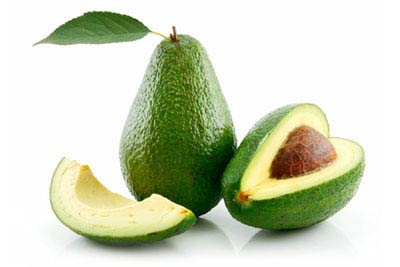
Avocados


* A small amount of sweet corn, papaya and summer squash sold in the United States is produced from GE seedstock. Buy organic varieties of these crops if you want to avoid GE produce.

EWG’s 2016 Shopper’s Guide to Pesticides in Produce™ … Clean Fifteen


1 EWG's Dirty Dozen Plus and Clean Fifteen Lists

Avocados


2 EWG's Dirty Dozen Plus and Clean Fifteen Lists

Sweet Corn*


3 EWG's Dirty Dozen Plus and Clean Fifteen Lists

Pineapples


4 EWG's Dirty Dozen Plus and Clean Fifteen Lists

Cabbage


5 EWG's Dirty Dozen Plus and Clean Fifteen Lists

Sweet peas frozen


6 EWG's Dirty Dozen Plus and Clean Fifteen Lists

Onions


7 EWG's Dirty Dozen Plus and Clean Fifteen Lists

Asparagus


8 EWG's Dirty Dozen Plus and Clean Fifteen Lists

Mangos


9 EWG's Dirty Dozen Plus and Clean Fifteen Lists

Papayas*


10 EWG's Dirty Dozen Plus and Clean Fifteen Lists

Kiwi


11 EWG's Dirty Dozen Plus and Clean Fifteen Lists

Eggplant


12 EWG's Dirty Dozen Plus and Clean Fifteen Lists

Honeydew Melon


13 EWG's Dirty Dozen Plus and Clean Fifteen Lists

Grapefruit


14 EWG's Dirty Dozen Plus and Clean Fifteen Lists

Cantaloupe


15 EWG's Dirty Dozen Plus and Clean Fifteen Lists

Cauliflower


* A small amount of sweet corn, papaya and summer squash sold in the United States is produced from GE seedstock. Buy organic varieties of these crops if you want to avoid GE produce.


Get the full list

Norway Offers Bees Safe Passage on the World’s First “Bee Highway”


 please click on image for complete article …

Norwegian bees will soon be living the high life. Construction of a “bee highway” in Oslo aims to give these insects food, shelter and safe passage through the city. Bee hives and smatterings of flowering plants are popping up in backyards, on rooftops and on the terraces of companies and private citizens alike.

Strawberries Top ‘Dirty Dozen’ List for Pesticides


by

And the winner — or maybe we should say, loser — this year is … strawberries.strawberries-99551_640

For the first time in five years, the popular berry has ousted apples from the number one spot on the Environmental Working Group’s annual report of the produce with the most pesticide residue — aka “The Dirty Dozen.” The nonprofit group also included a “Clean 15” list of produce lowest in pesticides.

After strawberries, apples are number two, followed by nectarines, peaches, celery, grapes, cherries, spinach, tomatoes, sweet bell peppers, cherry tomatoes and cucumbers. Leafy greens, including kale and collard greens, and hot peppers also rated a mention for having worrisome insecticide residue levels.

Conventionally grown strawberries had an average of 5.75 different pesticides per sample, compared to 1.74 pesticides per sample of all the other produce the USDA tested, the environmental advocacy group reported. However, only about 7 percent of the strawberries sampled in 2014 had levels of pesticide residues considered illegal.

“Fruits and vegetables are important for your health, but for those on the Dirty Dozen, we recommend buying the organic versions if you want to avoid pesticides on your food,” Sonya Lunder, EWG senior analyst, said in a statement.

Avocados topped the Clean 15 list, with only 1 percent of samples showing any detectable pesticides.  Also on the list: sweet corn, pineapples, cabbage, frozen sweet peas, onions, asparagus, mangoes, papayas, kiwis, eggplant, honeydew melon, grapefruit, cantaloupe and cauliflower.

None of the samples of these fruits tested positive for more than four types of pesticides, and 89 percent of pineapples, 81 percent of papayas, 78 percent of mangoes, 73 percent of kiwi and 62 percent of cantaloupes had no detectable residues.

The EWG’s annual report is based on pesticide residue testing by the U.S. Department of Agriculture (USDA). According to EWG, nearly three-fourths of the nearly 7,000 produce samples tested by the USDA in 2014 — the most recent year for which data is available — contained pesticide residues, although the USDA said this year that “overall pesticide chemical residues found on the foods tested are at levels below the tolerances established by the Environmental Protection Agency (EPA) and do not pose a safety concern.” The agency noted that residues exceeding EPA tolerances were detected in only 0.36 percent of the samples tested.

“The resulting data in this year’s report gives consumers confidence that the products they buy for their families are safe and wholesome,” said Ruihong Guo, deputy administrator of the USDA’s science and technology program.

The EWG’s Lunder called the EPA’s residue levels allowed on produce “too lax to protect Americans’ health. They should be updated to reflect new research that shows even very small doses of toxic chemicals can be harmful, particularly for young children.”


Photo: Pixabay

politics,pollution,petitions,pop culture & purses