
July 23rd to 25th
BY CONTRIBUTED BY: MARITZA FERNANDEZ
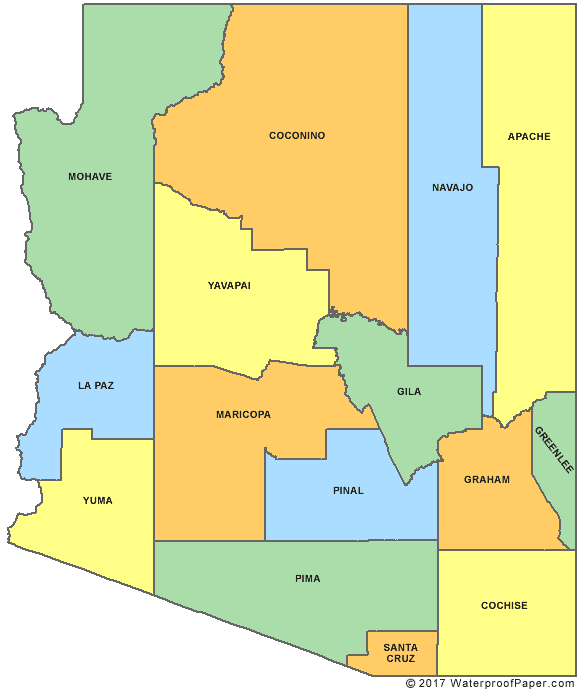
Arizona’s counties Image courtesy WaterproofPaper.com
Few people are aware of the race riot that occurred in Tucson, Arizona in 1967. The riot was caused by the arrest of an unidentified black 14-year-old a few days before.
On July 23rd to 25th in the North side of the city within a four-mile area between 4th Avenue and Seneca Street, 200 young black people gathered to protest against the Tucson police force.
Rocks were thrown at police cars and buildings with the worst damage to a Crown Liquors store by approximately 60 rioters. Nothing was stolen, but 25 Tucson patrol officers, members of the Arizona National Guard, and firefighters were called to the scene. There was, according to the Los Angeles Times, “minor violence” on the 25th of July and at least one fire bomb was thrown at a paint store, but no other major violence or injuries were reported.
Two injured people were reported injured on July 24: Kurt Jackson, a white man who had driven through the area, and an unidentified woman were both struck by unidentified objects, likely rocks, and suffered minor injuries. Two arrests were made: James Brooks and Eugene Jones, two 19-year-old black men were charged with malicious mischief and unlawful assembly. Brooks pled guilty and was sentenced to 150 days in jail. Eugene Jones pled innocent, and was tried and acquitted in September, 1967. Two other juveniles, 13 and 16, were detained by police for throwing rocks at police cars and storefronts.
For the complete article: blackpast.org


You must be logged in to post a comment.