Tag Archives: BP

On this Day … Moby Dick Published


On this day in 1851, Moby-Dick, a novel by Herman Melville about the voyage of the whaling ship Pequod, is published by Harper & Brothers in New York. Moby-Dick is now considered a great classic of American literature and contains one of the most famous opening lines in fiction: “Call me Ishmael.” Initially, though, the book about Captain Ahab and his quest for a giant white whale was a flop.

Herman Melville was born in New York City in 1819 and as a young man spent time in the merchant marines, the U.S. Navy and on a whaling ship in the South Seas. In 1846, he published his first novel, Typee, a romantic adventure based on his experiences in Polynesia. The book was a success and a sequel, Omoo, was published in 1847. Three more novels followed, with mixed critical and commercial results. Melville’s sixth book, Moby-Dick, was first published in October 1851 in London, in three volumes titled The Whale, and then in the U.S. a month later. Melville had promised his publisher an adventure story similar to his popular earlier works, but instead, Moby-Dick was a tragic epic, influenced in part by Melville’s friend and Pittsfield, Massachusetts, neighbor, Nathaniel Hawthorne, whose novels include The Scarlet Letter.

After Moby-Dick‘s disappointing reception, Melville continued to produce novels, short stories (Bartleby) and poetry, but writing wasn’t paying the bills so in 1865 he returned to New York to work as a customs inspector, a job he held for 20 years.

Melville died in 1891, largely forgotten by the literary world. By the 1920s, scholars had rediscovered his work, particularly Moby-Dick, which would eventually become a staple of high school reading lists across the United States. Billy Budd, Melville’s final novel, was published in 1924, 33 years after his death.

history.com

Ferguson … justice for only some? a repost


Corinne Ball, MoveOn.org Civic Action

Many of us have wrestled with intense emotions—sadness, anger, shock, and more—as we’ve followed the ongoing situation in Ferguson, Missouri.

The police killing of unarmed 18-year-old Michael Brown has ignited weeks of demonstrations. Even though most protesters have been peaceful, police appeared armed with military-grade equipment.1 Reporters have been threatened and arrested by police while trying to report the story.2 The whole country has been watching what’s happening in Ferguson.3 

Many of us have asked: What can we do to ensure justice for Michael Brown? What is this awful situation revealing—or reminding us—about racism in America, police militarization, and the way our criminal justice system too often fails communities of color? 

Many of us have been moved to take action. Nearly 150,000 MoveOn members joined ColorOfChange.org to call on the Department of Justice to intervene in the investigation into Michael Brown’s death. That petition will be delivered next week in Washington, DC.

Tens of thousands of us added our names to MoveOn member and Missouri State Senator Jamilah Nasheed’s petition calling for an independent prosecutor in the case. And many of us have made phone calls, joined community protests and vigils, and more.

MoveOn member and Missouri State Senator Jamilah Nasheed delivered tens of thousands of MoveOn member signatures in St. Louis this week, and her campaign has drawn coverage from CNN to the Wall Street Journal and beyond.4

The vigils and national outcry have already had an impact in Ferguson. Attorney General Eric Holder—who came to meet with Ferguson residents in person—is overseeing a Department of Justice investigation.5 The FBI is conducting an investigation into civil rights abuses by the Ferguson police department.6 And a grand jury has been convened to determine if charges will be filed against Officer Darren Wilson.7

We still have much left to do and many complex issues to address before Ferguson—and America—can heal and move forward. There is no quick fix. But there are things we can all do right now to get involved in the push for justice.

One step you can take—if you haven’t already—is to sign Senator Nasheed’s petition calling for a special prosecutor to investigate the shooting death of Michael Brown. Faith leaders and local residents have joined Senator Nasheed in expressing serious doubts about whether the prosecutor in St. Louis County, who previously failed to charge officers for murdering two unarmed black men, will objectively investigate the officer responsible.8

There’s also a huge amount of thoughtful online commentary that’s been sparked by this tragedy. Whatever you’re reading about Ferguson now, consider passing it along to a friend to keep the conversation going. Here’s one option: This piece from MSNBC’s “All In With Chris Hayes” puts the story in a broader perspective in a conversation with Marq Claxton, a retired New York Police Department detective, and Phillip Agnew, founder of the young activist group Dream Defenders:

Together, let’s continue to reflect, to speak out, and to take action.

Thanks for all you do.

–Corinne, Maria, Anna, Mark, and the rest of the team

Sources:

1. “A Former Marine Explains All the Weapons of War Being Used by Police in Ferguson,” The Nation, August 20, 2014
http://www.moveon.org/r/?r=300422&id=100249-17809870-7a_RFkx&t=7

2. “6 more journalists arrested in Ferguson protests,” CNN, August 19, 2014
http://www.moveon.org/r/?r=300423&id=100249-17809870-7a_RFkx&t=8
3. “A Movement Grows in Ferguson,” The New Yorker, August 17, 2014
http://www.moveon.org/r/?r=300415&id=100249-17809870-7a_RFkx&t=9  4. “Concerns arise about prosecutor in Michael Brown case,” CNN, August 20, 2014
http://www.moveon.org/r/?r=300425&id=100249-17809870-7a_RFkx&t=10“Missouri Governor Won’t Replace Prosecutor in Michael Brown Probe,” Wall Street Journal, August 21, 2014
http://www.moveon.org/r/?r=300426&id=100249-17809870-7a_RFkx&t=115. “Jay Nixon: Missouri Highway Patrol Will Take Over Supervision Of Security In Ferguson,” Associated Press, August 14, 2014
http://www.moveon.org/r/?r=300416&id=100249-17809870-7a_RFkx&t=126. “FBI Will Investigate Death of Black Teenager in Missouri,” The Washington Post, August 11, 2014
http://www.moveon.org/r/?r=300417&id=100249-17809870-7a_RFkx&t=14

7. “Holder visits Ferguson as grand jury hearings begin,” Los Angeles Times, August 20, 2014
http://www.moveon.org/r/?r=300424&id=100249-17809870-7a_RFkx&t=15


8. “Protesting the Prosecution,” Slate, August 21, 2014
http://www.moveon.org/r/?r=300418&id=100249-17809870-7a_RFkx&t=18

Want to support our work? MoveOn Civic Action is entirely funded by our 8 million members—no corporate contributions, no big checks from CEOs. And our tiny staff ensures that small contributions go a long way. Chip in here.


Fashion tips … Handbags


7 Tricks to Ensure Your Handbags Will Last for Years

By Allyson Payer

We’re more willing to splurge on a beautiful designer handbag than on any other wardrobe component, justifying our purchase by saying, “Well, this’ll last me for years,” which brings us to today’s subject: learning how to preserve and properly care for these investment items. Luckily, there are a few simple steps you can take to ensure that your precious satchels are kept in mint condition for years to come.

Scroll down to see our tips, and to shop gorgeous investment bags that you’ll want to protect!

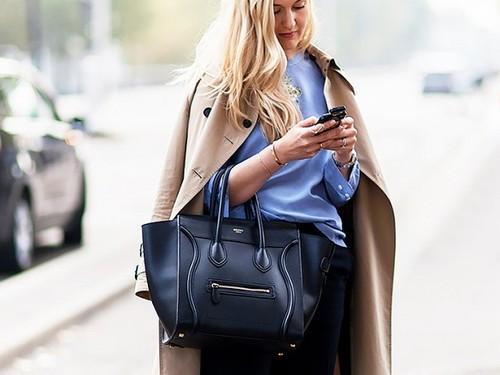
1. Protect The Material:7 Tricks to Ensure Your Handbags Will Last for YearsThe Blonde Salad

Want to shield your new bag from spills and dirt before they happen? Scotchgard Fabric will do the trick for fabric panels, while Scotchgard Suede and Nubuck is a great water and oil repellant for suede. Both Collonil and Chamberlain’s make great leather-protecting products. Apply product with a clean white cotton cloth, followed by a dry cotton cloth to buff. Use products regularly on heavily used bags. With any products, test a small patch on the bag to make sure it doesn’t cause discoloration.

image

Collonil Leather Gel

image

Chamberlain’s Leather Milk

2. Store Them Properly:

image

Le 21eme

Do your bags get tossed onto a haphazard heap at the bottom of your closet? They’ll last longer if stored the right way, ideally in an upright position in their dust bags or a cotton pillowcase. Never store them in plastic or vinyl, which traps moisture inside. Stuff your bags with scarves, sweaters, or acid-free tissue paper, or use a handbag insert made for this purpose. Cross the handles over each other to avoid wear on the bag and unclip any removable straps for long-term storage.

Related: The ONE Mistake Every Handbag Owner Makes

image

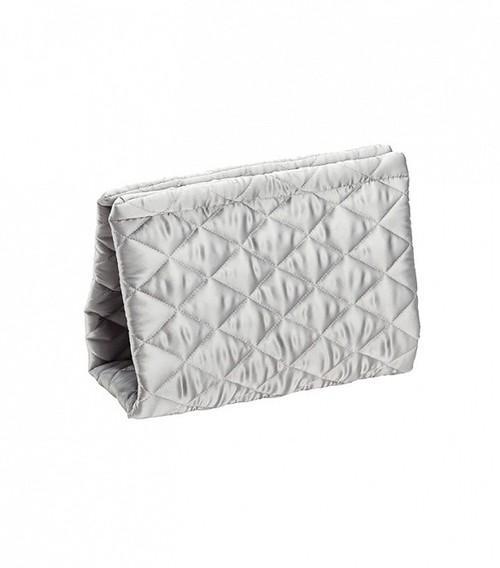
The Container Store Quilted Handbag Shapers

image

The Container Store Linen Handbag Storage Bin

3. Remove Stains the Right Way:

image

Athens Streetstyle

The first step is to know what type of stain you’re dealing with, as that will dictate the removal method. See specific techniques below!

Food stains: Crush white chalk and let it sit on the stain overnight. Brush off with a clean cloth in the morning.

Oil stains: Put cornstarch on the stain immediately, rubbing it in to create heat from friction, which will help the oil absorb. Brush the powder off with a clean cloth after you’ve rubbed it in—don’t let it sit on the stain.

Ink stains: If the stain is fresh, use a white eraser to immediately erase the spot, without applying too much pressure so that the color doesn’t come off. If the ink is already set, you’ll need a professional (see tip #7). An eraser also works for dirt stains.

Water stains: Blot water stains, let them dry naturally, and bring your bag to a professional for removal.

Odor removal: Keep a plastic bag filled with baking soda inside your handbag. Zip the handbag or place it in a larger bag that seals if it doesn’t zip. Keep the baking soda in the bag for one or two days to absorb the odor. Another option? Place a couple of dryer sheets in the bag for a few days.

Related: Heavy Purse? 5 Smart Ways to Lighten Your Load

4. Protect the Lining: 

image

A Love is Blind

Use pouches to store cosmetics and liquids, which will protect the handbag lining from spills and keep you organized to boot. Avoid click pens at all cost, opting for pens with caps instead. Better yet, put those in your pouch too, in case of dreaded ink leaks.

image

Comme des Garçons Star Embossed Small Pouch

5. Keep Metal Hardware Shiny:

image

A Love is Blind

Do your best to keep away jewelry and zippers that could scratch your bag’s metal hardware. A go-to household item, Mr. Clean’s Magic Erasers, do a great job of cleaning up tarnished and grimy hardware.

Related: 14 Items Every Woman Should Have In Her Purse

6. Practice Routine Maintenance: 

image

Athens Streetstyle

Here are a few best practices when it comes to daily handbag maintenance:

1. Avoid handling your bag if your hands are dirty or have lotion or cream on them.
2. Keep your bag out of direct sunlight.
3. Rotate which handbag you carry regularly so that they don’t wear out too quickly.
4. Use a suede brush to clean and revive suede.
5. Regular use of a leather moisturizer will keep the leather supple and free of cracks.
6. Wipe your bag down on a weekly basis (when in use) with a soft cloth.

7. Take It to a Professional:

image


A Love is Blind

For stains and wear and tear beyond your handbag maintenance skill set, take it to a handbag repair professional. Most shoe repair professionals also work on handbags. They’ll treat it for you, clean it, and restore color as needed. If your bag doesn’t have metal feet on the bottom, it’s wise to have those installed, as they’ll protect it from scratches and dirt.

Related: Your Ultimate Guide to Fall’s Must-Have It-Bags

Shop Investment Handbags:

image

A.P.C. Edith Leather Shoulder Bag

A structured black bag will take you from day to night. Bonus points for sleek gold hardware.

image

Chloe Large Drew Grained Leather Shoulder Bag

All the cool girls are wearing this It-bag with a cool yet classic vibe.

Related: Is THIS The New It-Bag for Fall?

image

M2Malletier Memento Mori Bag

This slightly larger version of M2Malletier’s popular clutch style is perfect for everyday wear.

image

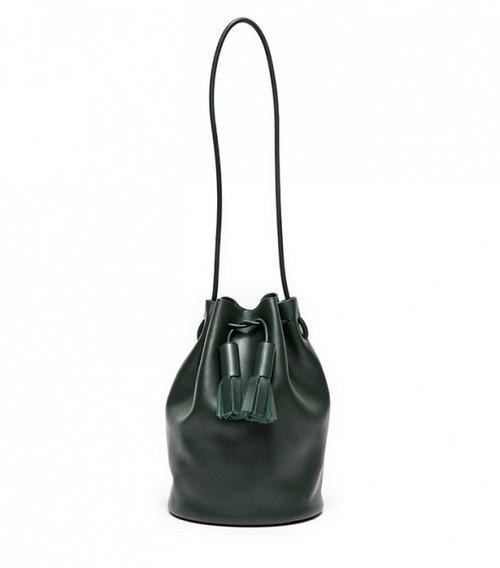
Building Block Bucket Bag

Buttery forest green leather and oversized tassels join forces to create a perfectly quirky bucket bag for fall.

image

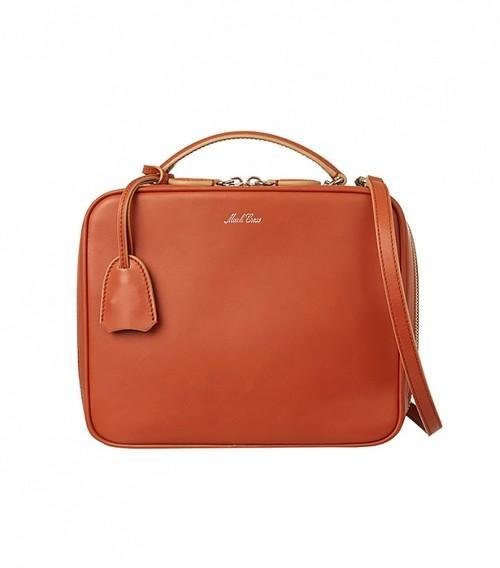
Mark Cross Laura Leather Shoulder Bag

Boxy shapes are in for fall, so tap into the trend with this structured Mark Cross version.

image

Rag & Bone Haircalf Bradbury Small Flap Hobo

This leopard calf-hair bag makes a subtle statement and gives a luxe feel to any outfit.

Social Security ACT … a repost


On August 14, 1935, President Franklin Roosevelt said, “We can never insure 100 percent of the population against 100 percent of the hazards and vicissitudes of life, but we have tried to frame a law which will give some measure of protection to the average citizen and to his family against the loss of a job and against poverty-stricken old age.”

With that, he signed the Social Security Act into law, ushering in an era of economic prosperity for middle-class families. The first American to get Social Security received 17 cents in benefits. Today, 79 years later, Social Security stands as a major source of income for 54 million Americans who have paid into the system for their entire working lives.

President Obama understands that many seniors rely on Social Security, and believes that every one of them should be able to retire with dignity, which is why he’s acted to strengthen the Social Security system and ensure it remains solvent for years to come.

in the Library ~ The New Jim Crow – by michelle alexander… Best Seller


The New Jim Crow: Mass Incarceration in the Age of Colorblindness, 10th Anniversary Edition

so, i read this review of a book that took me back to information given to us in class at the UW  …stunning, sad and eye opening information yet this book review revealed much more …

By Leonard Pitts Jr. / Syndicated columnist

Michelle Alexander’s ‘The New Jim Crow,’ a troubling and necessary book

Columnist Leonard Pitts Jr. suggests reading “The New Jim Crow,” by Michelle Alexander, who contends that the mass incarceration of black men for nonviolent drug offenses, combined with sentencing disparities and laws making it legal to discriminate against felons in housing, employment, education and voting, constitute nothing less than a new racial caste system.

Syndicated columnist

Related

“You have to face the fact that the whole problem is really the blacks. The key is to devise a system that recognizes this all while not appearing to.”

— Richard Nixon as quoted by H.R. Haldeman, supporting a get-tough-on drugs strategy

“They give black people time like it’s lunch down there. You go down there looking for justice, that’s what you find: just us.”— Richard Pryor

Michelle Alexander was an ACLU attorney in Oakland, preparing a racial-profiling lawsuit against the California Highway Patrol. The ACLU had put out a request for anyone who had been profiled to get in touch. One day, in walked this black man.

He was maybe 19 and toted a thick sheaf of papers, what Alexander calls an “incredibly detailed” accounting of at least a dozen police stops over a nine-month period, with dates, places and officers’ names. This was, she thought, a “dream plaintiff.”

But it turned out he had a record, a drug felony — and she told him she couldn’t use him; the state’s attorney would eat him alive. He insisted he was innocent, said police had planted drugs and beaten him. But she was no longer listening. Finally, enraged, he snatched the papers back and started shredding them.

“You’re no better than the police,” he cried. “You’re doing what they did to me!” The conviction meant he couldn’t work or go to school, had to live with his grandmother. Did Alexander know how that felt? And she wanted a dream plaintiff? “Just go to my neighborhood,” he said. “See if you can find one black man my age they haven’t gotten to already.”

She saw him again a couple of months later. He gave her a potted plant from his grandmother’s porch — he couldn’t afford flowers — and apologized. A few months after that, a scandal broke: Oakland police officers accused of planting drugs and beating up innocent victims. One of the officers involved was the one named by that young man.

“It was,” says Alexander now, more than 10 years later, “the beginning of me asking some hard questions of myself as a civil-rights lawyer. … What is actually going on in his neighborhood? How is it that they’ve already gotten to all the young African-American men in his neighborhood? I began questioning my own assumptions about how the criminal-justice system works.”

The result is a compelling new book. Others have written of the racial bias of the criminal-injustice system. In “The New Jim Crow,” Alexander goes a provocative step further. She contends that the mass incarceration of black men for nonviolent drug offenses, combined with sentencing disparities and laws making it legal to discriminate against felons in housing, employment, education and voting, constitute nothing less than a new racial caste system. A new segregation.

She has a point. Yes, the War on Drugs is officially race-neutral. So were the grandfather clause and other Jim Crow laws whose intention and effect was nevertheless to restrict black freedom.

The War on Drugs is a war on African-American people and we countenance it because we implicitly accept certain assumptions sold to us by news and entertainment media, chief among them that drug use is rampant in the black community. But. The. Assumption. Is. WRONG.

According to federal figures, blacks and whites use drugs at a roughly equal rate in percentage terms. In terms of raw numbers, whites are far and away the biggest users — and dealers — of illegal drugs.

So why aren’t cops kicking their doors in? Why aren’t their sons pulled over a dozen times in nine months? Why are black men 12 times likelier to be jailed for drugs than white ones? Why aren’t white communities robbed of their fathers, brothers, sons?

With inexorable logic, “The New Jim Crow” propounds an answer many will resist and most have not even considered. It is a troubling and profoundly necessary book.

Please read it.

Miami Herald columnist Leonard Pitts Jr.’s column appears regularly on editorial pages of The Times. His e-mail address is: lpitts@miamiherald.com