
|
Tag Archives: Sacred
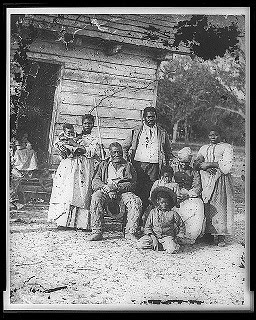 Family on Smith’s Plantation, Beaufort, South Carolina, circa 1862. Image courtesy of the Library of Congress.
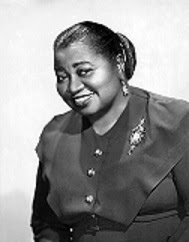 Promotional photograph of actor Hattie McDaniel (1939).
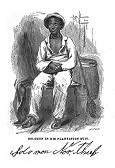 12 Years a Slave by Solomon Northrup. 1853.
 Incidents in the Life of a Slave Girl by Harriet Jacobs. 1861.
 Our Nig: Sketches from the Life of a Free Black by Harriet Wilson. 1859.
 Narrative of the Life of Frederick Douglas, An American Slave by Frederick Douglass. 1845.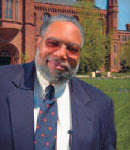
 Lonnie Bunch Director
I told a lie that put my dad in prison
When I was eight years old, my mom scared me into telling a lie that would change the course of our family’s life.
One day when I was at home watching my dad work, I came out of the bathroom and my mom asked me if my dad had ever touched me. Confused, I said no. But then she asked me again. And I said no. She kept asking, and I kept saying no, until she became angry and threatened to beat me with a belt until I said yes. I was too young to know that my mom was using drugs at the time, and I was scared. So I said yes.
My dad was convicted of sexually assaulting me and has been in prison for over 15 years for a crime he didn’t commit. Now that I’m an adult and a mom, I’m working hard to right this wrong that should have never happened. I started a petition on Change.org asking for the Governor of New York to pardon my innocent father. Click here to sign my petition.
My dad has been in prison for decades for a crime he didn’t commit, all because I was forced into telling a lie about him when I was eight years old. Help my dad get pardoned by signing my petition.
 |
 |
|
|
I remember sometimes during dinner my mom would make excuses to leave so she could find drugs. When my dad would try to stop her, they would fight, and I would cry. Now I know it’s because he wanted her to stay home with the family that he was working so hard to keep together.
After my dad was sent to prison, my siblings and I went to live with my grandmother. I told her the whole truth: that my dad had never touched me, and that my mom taught me all the words to say that would get him in trouble. My mom even admits now that this happened during one of her drug binges, and she doesn’t know why she did it.
I’ve been fighting to set my dad free with this evidence since I was 15 years old — but all of my appeals have been denied. I was recently interviewed about my story by national news, and I believe that this wave of public support can help my case. That’s why I started this petition to pressure Governor Cuomo into pardoning him. Will you help me by signing?
Thank you so much for your support.
Chaneya Kelly
Share this:

Great Stat (This is AWESOME)


Making 2014 a Year of Action to Expand Opportunities for the Middle Class
| Weekly Address: Making 2014 a Year of Action to Expand Opportunities for the Middle ClassIn this week’s address, President Obama said 2014 will be a year of action, and called on both parties to help make this a breakthrough year for the United States by bringing back more good jobs and expanding opportunities for the middle class.
Click here to watch this week’s Weekly Address.
|
|||
|
|||
| Expanding Educational Opportunity: And yesterday, a group of leaders in higher education joined the President and First Lady at the White House to take the next step toward ensuring that every child, rich or poor, has the opportunity for a quality college education so they can get ahead.“We’ve got philanthropists and business leaders here; we’ve got leaders of innovative non-for-profits; we’ve got college presidents — from state universities and historically black colleges to Ivy League universities and community colleges,” President Obama said. “More than 100 colleges and 40 organizations are announcing new commitments to help more young people not only go to, but graduate from college.” These leaders made the commitment to take action on areas crucial to making college a reality to more kids.
The day before, the First Lady hosted a discussion on education to support the President’s “North Star” Goal, which states that by 2020, Americans will have the highest proportion of college graduates in the world. America’s Newest High-Tech Manufacturing Hub: President Obama visited Raleigh, North Carolina on Wednesday to announce that Raleigh is going to be America’s newest manufacturing innovation hub. This new hub will bring leading companies, universities, and federal research together under one roof to help develop the next generation of power electronics. President Obama has proposed building a network of these hubs across the country to help make the United States a magnet for the good, high-tech manufacturing jobs that we need to grow the middle class and keep this country on the cutting edge. “Together, these hubs will “help build new partnerships in areas that show potential,” the President said. “They’ll help to lift up our communities. They’ll help spark the technology and research that will create the new industries, the good jobs required for folks to punch their ticket into the middle class.” You can check out his complete remarks here. Cabinet Meeting: On Tuesday, President Obama held his first Cabinet meeting of the new year. “We’ve got a lot to do in 2014. As I’ve said before, this is going to be a year of action,” he said before the meeting. The President said he was pleased that the House and Senate agreed to a budget and put forward a bill to fund the government and is looking forward to working with each side of the aisle to advance economic recovery. Read his full remarks here. Get ready for the State of the Union: Next Tuesday, January 28th at 9 P.M. ET, President Obama will deliver his fifth State of the Union Address. This year there will be more ways to watch the speech and share exclusive graphics. Want to stay updated on the latest State of the Union news? Sign up to get exclusive content before and after the speech and follow @WhiteHouse on Twitter for real-time updates on the State of the Union. The Miami Heat back at the White House: The President welcomed the Miami Heat back to the White House on Wednesday to congratulate the team on their back-to-back championship titles. Last season, the Heat won a team-record 66 games and beat the San Antonio Spurs in the finals. “The Heat showed us the kind of heart and determination it takes to be a champion,” the President said. Nomination for the Small Business Administration: On Wednesday the President announced his nominee to lead the Small Business Administration, Maria Contreras-Sweet. The President spoke about her previous experience starting small businesses and her proven track record to helping small businesses succeed. Vice President Attends Auto Show: While the President was back in Washington, D.C., Vice President Biden spoke at the North American International Auto Show in Detroit on Thursday. After speaking at the event, he got to tour the exhibit. “I’m like a kid in a candy shop,” the Vice President said. |


 Be a Seed for Change
You must be logged in to post a comment.