
Monthly Archives: July 2018

black while going to an Emmy Party -Charles Belk

What is Biodiversity?

Biodiversity or Biological diversity is a term that describes the variety of living beings on earth. In short, it is described as degree of variation of life. Biological diversity encompasses microorganism, plants, animals and ecosystems such as coral reefs, forests, rainforests, deserts etc.
Biodiversity also refers to the number, or abundance of different species living within a particular region. It represents the wealth of biological resources available to us. It’s all about the sustaining the natural area made up of community of plants, animals, and other living things that is begin reduced at a steady rate as we plan human activities that is being reduced by habitat destruction.
The United Nations designated 2011–2020 as the United Nations Decade on Biodiversity. In biodiversity, each species, no matter how big or small has an important role to play in ecosystem. Various plant and animal species depend on each other for what each offers and these diverse species ensures natural sustainability for all life forms. A healthy and solid biodiversity can recover itself from variety of disasters.
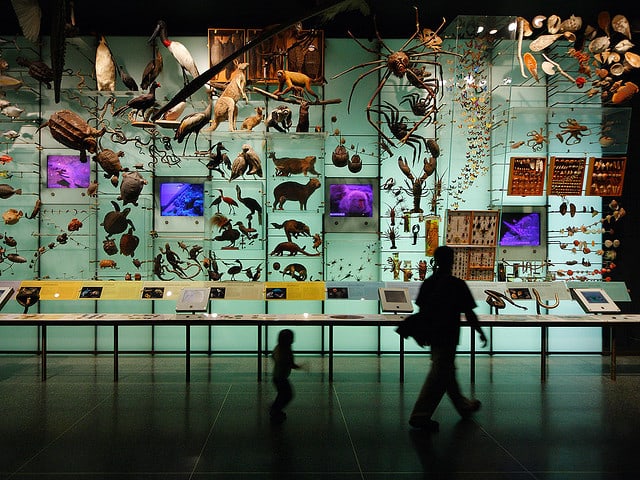
Biodiversity has three essential elements:
- Genetic diversity,
- Eco system diversity and
- Species diversity
Recently a new aspect has also been added- ‘molecular diversity’.
Biodiversity is unevenly distributed. It varies globally and within regions. The various factors that influence biodiversity include -temperature, altitude, precipitation, soils and their relation with other species. For instance, ocean biodiversity is 25 times lesser than terrestrial diversity. Biodiversity also increases its form as it moves from the poles towards the tropics.
Biodiversity is the result of 3.5 billion years of evolution. It has been subject to periods of extinction. The latest and most destructive stage of extinction is Holocene extinction, which has occurred due to the impact of human beings on the environment.
Why is Biodiversity Important?
Biodiversity has a number of functions on the Earth. These are as follows:
- Maintaining balance of the ecosystem: Recycling and storage of nutrients, combating pollution, and stabilizing climate, protecting water resources, forming and protecting soil and maintaining ecobalance.
- Provision of biological resources: Provision of medicines and pharmaceuticals, food for the human population and animals, ornamental plants, wood products, breeding stock and diversity of species, ecosystems and genes.
- Social benefits: Recreation and tourism, cultural value and education and research.
The role of biodiversity in the following areas will help make clear the importance of biodiversity in human life:
- Biodiversity and food: 80% of human food supply comes from 20 kinds of plants. But humans use 40,000 species for food, clothing and shelter. Biodiversity provides for variety of foods for the planet.
- Biodiversity and human health: The shortage of drinking water is expected to create a major global crisis. Biodiversity also plays an important role in drug discovery and medicinal resources. Medicines from nature account for usage by 80% of the world’s population.
- Biodiversity and industry: Biological sources provide many industrial materials. These include fiber, oil, dyes, rubber, water, timber, paper and food.
- Biodiversity and culture: Biodiversity enhances recreational activities like bird watching, fishing, trekking etc. It inspires musicians and artists.
Reason for Loss of Biodiversity
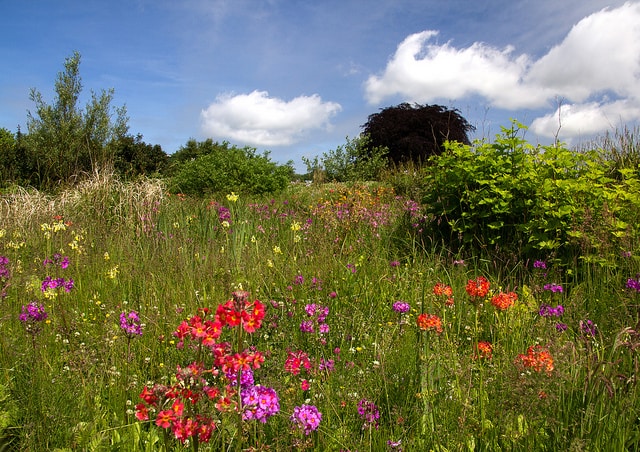
The earth’s biodiversity is in grave danger. In the present era, human beings are the most dangerous cause of destruction of the earth’s biodiversity. In 2006, the terms threatened, endangered or rare were used to describe the status of many species. The “evil quartet” identified by Jared Diamond is overkill, habitat destruction, secondary extinctions and introduced species. Factors identified by Edward Wilson are described by the acronym- HIPPO standing for habitat destruction, climate change, invasive species, pollution, human overpopulation and over-harvesting.
Habitat destruction is a major cause for biodiversity loss. Habitat loss is caused by deforestation, overpopulation, pollution and global warming. Species which are physically large and those living in forests or oceans are more affected by habitat reduction.
Some expert’s estimate that around 30% of all species on earth will be extinct by 2050. According to the International Union for Conservation of Nature (IUCN), globally about one third of all known species are threatened with extinction. Even it is estimated that 25% of all mammals will be extinct within 20 years.
Even if a small element of an ecosystem breaks down, the whole system’s balance is threatened. Fresh water ecosystems are nowadays the most threatened ecosystems. Invasive species refer to those that would normally remain constrained from an ecosystem because of the presence of natural barriers. Since these barriers are no longer existing, invasive species invade the ecosystem, destroying native species. Human activities have been the major cause for encouraging invasive species.
Species can also be threatened by genetic pollution- uncontrolled hybridization and gene swamping. For instance, abundant species can interbreed with rare species thus causing swamping of the gene pool. Over exploitation is caused by activities such as over fishing, over hunting, excessive logging and illegal trade of wildlife. Over 25% of global fisheries are being overfished at unsustainable levels.
Global warming is also becoming a major cause for loss of biodiversity. For example if the present rate of global warming continues, coral reefs which are biodiversity hotspots will disappear in 20-40 years. 10% of all species might become extinct by 2015, if global warming continues.
Thus we can see that biodiversity which is crucial for the well being of life on earth, is coming under the threat of many factors related to human activities. There is an urgent need to take action to protect the magnificent biodiversity of our planet. We must create economic policies in order to maintain the Earth’s biodiversity and take appropriate measures to protect habitats and species.
Image credit: Dom Dada , Eiona R.
References:
http://www.nwf.org/Wildlife/Wildlife-Conservation/Biodiversity.aspx
Share this:

The Nation this week ~ workingwa.org
|

|
|

|
|

|
|

|
|
Share this:

Americans Reminded to Avoid Foodborne Bacteria on the 4th of July
 No matter where you find yourself on the Fourth of July, you will probably see copious amounts of food, beverages and grass-stained sneakers. Whether you’re enjoying a barbecue in the great outdoors, traveling to see family or friends, or spending time at home, we are urging everyone to take extra food safety precautions when planning their menu.
The U.S. Centers for Disease Control and Prevention estimates that 1 in 6 Americans (that’s 48 million people) suffer from foodborne illness each year, resulting in roughly 128,000 hospitalizations and 3,000 deaths.
Because foodborne bacteria thrive and multiply more quickly in warmer temperatures, foodborne illness can spike during summer. This is likely because people are spending more time outside – away from the sink and equipment in the kitchen that promotes food safety.
The Danger Zone is the temperature range between 40 °F and 140 °F in which foodborne bacteria can grow rapidly to dangerous levels that can cause illness. Leaving perishables out too long in the Danger Zone is one of the most common mistakes people make, especially during warmer months.
Keep Food Out of the Danger Zone
The USDA’s Meat and Poultry Hotline, staffed by USDA food safety experts, routinely gets calls from consumers with questions about the perishable foods left out too long. Below are their recommendations on how to steer clear of the Danger Zone this Fourth of July:
- Without refrigeration or a heat source, perishables should not be left out more than two hours if the temperature is below 90 ⁰F, and only one hour if the temperature is at or above 90 ⁰F. Since the weather will likely be very hot on July 4th, food should be returned to the cooler within an hour. If you are not sure how long food has been sitting out, throw it out immediately.
- Always keep cold food COLD, at or below 40 °F, in coolers or in containers with a cold source such as ice or frozen gel packs. Keep hot food HOT, at or above 140 °F, on the grill or in insulated containers, heated chafing dishes, warming trays and/or slow cookers. If food needs to be reheated, reheat it to 165 °F.
- Pack an appliance thermometer in your cooler to ensure food stays at or below 40 °F. Divide large amounts of food into shallow containers for fast chilling and easier use.
- Packing drinks in a separate cooler is strongly recommended, so the food cooler isn’t opened frequently. Keep the cooler in the shade, and try to cover it with a blanket or tarp to keep it cool. Replenish the ice if it melts.
- Use the food thermometer to check the internal temperature of meat, poultry and seafood. Use our Is It Done Yet? guide to learn where to place the thermometer in each item. You absolutely can’t tell whether the meat is safely cooked by just looking.
- If you plan to marinate meat and/or poultry for several hours or overnight prior to the event, make sure to marinate them in the refrigerator – not on the counter. If you plan to reuse the marinade from raw meat or poultry, make sure to boil it first to destroy any harmful bacteria.
- To ensure safety, leftovers must be put in shallow containers for quick cooling and refrigerated to 40 ⁰F or below within two hours.
If you have food storage questions, download our FoodKeeper application. This app offers guidance on the safe storage or more than 400 food and beverage items. It’ll give you a peace of mind knowing you served your dish safely.
As always, FSIS would like everyone to remember the four easy food safety steps of Clean, Separate, Cook and Chill and have a food safe Fourth of July!
If you have questions about the Danger Zone, or any other food safety topics, call the USDA Meat & Poultry Hotline at 1-888MPHotline or chat live with a food safety specialist at AskKaren.gov. These services are available from 10:00 a.m. to 4:00 p.m. Eastern Time, Monday through Friday, in English and Spanish.
posted 2016

 Be a Seed for Change
You must be logged in to post a comment.