
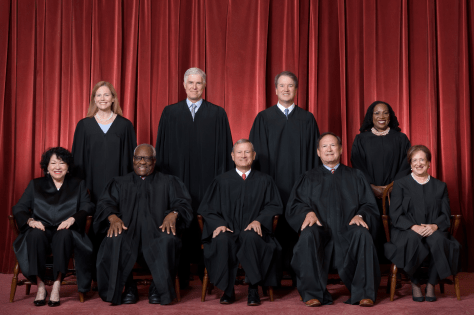
If the courts consistently applied precedent, a lot of this would already be stopped! Thing is, it feels like SCOTUS stopped following it!
Guess what, precedent isn’t gone — it’s dormant!
Preclearance came from Section 5 of the Voting Rights Act of 1965. It required certain states and counties — mostly in the South — to get federal approval before changing any voting rules.
This included changes like:
- redistricting maps
- voter ID laws
- polling place closures
- early voting cuts
- registration rules
- ballot access changes
They could not take effect until the federal government said:
“This change does not discriminate against minority voters.”
This was a proactive protection — it stopped discrimination before it happened.
What preclearance prevented
Before 2013, preclearance blocked:
- strict voter ID laws
- racially gerrymandered maps
- polling place closures in Black neighborhoods
- cuts to early voting
- discriminatory registration rules
The Department of Justice blocked over 1,000 discriminatory changes between 1965 and 2013.
Without preclearance, many of those changes would have gone into effect.
What happened after preclearance was removed
Within hours of the Shelby ruling:
- Texas implemented a voter ID law previously blocked as discriminatory.
- North Carolina passed a sweeping voting law that a court later said targeted Black voters “with almost surgical precision.”
- States began closing polling places in minority communities.
- Redistricting maps like Tennessee’s became far easier to pass.
This is why you’re seeing the pattern you described — and why it feels like it’s spreading.
Who had to follow preclearance?
The areas covered were determined by Section 4(b), which used data on:
- literacy tests
- voter suppression history
- low minority turnout
This included states like:
- Alabama
- Georgia
- Mississippi
- Louisiana
- South Carolina
- Virginia
- Texas
- Arizona
And many counties in other states.
These were places with long, documented histories of suppressing Black voters.

 Be a Seed for Change