
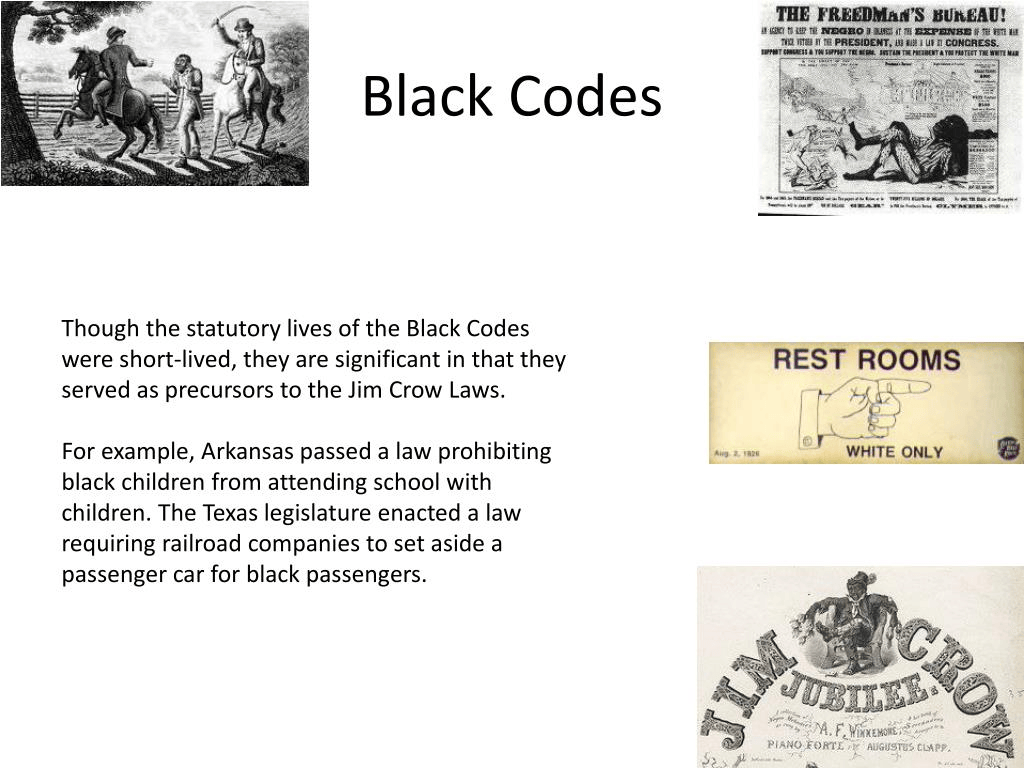
On October 26, 1866, the Texas Legislature passed two key statutes that were part of the state’s post‑Civil War Black Codes, designed to maintain racial hierarchy and control over African Americans
1. Restriction on Black Testimony in Court
The law amended the state’s Code of Criminal Procedure to state that “persons of color shall not testify” except in two limited situations:
- When the prosecution is against a person of color, or
- When the offense is alleged to have been committed against a person or property of a person of color
Blackpast+1.
This meant that in civil cases between white parties, and in criminal cases involving white defendants not accused of crimes against Black people, Black individuals were legally barred from testifying. Even when allowed to testify, their words were often given little weight by white judges and juries A History of Racial Injustice. This continued the antebellum practice of excluding Black testimony in most cases, despite the new constitutional guarantees of citizenship.
2. Regulation of Labor Contracts
The same day, Texas enacted an Act regulating contracts for labor Blackpast+1:
- Labor contracts over one month had to be in writing, witnessed by a Justice of the Peace, County Judge, County Clerk, Notary Public, or two disinterested witnesses, and read aloud to the laborer before signing.
- Workers could choose their employer but could not leave before the contract ended without consent, unless for “harsh treatment” or “breach of contract” — otherwise, they forfeited all wages earned.
- One copy of each contract had to be filed with the County Court Clerk, creating a public record.
- Contracts were to be made with the head of a family and covered all able‑working members, including minors.
- Wages were to be a lien on half the crops, second only to rent claims.
These provisions effectively tied Black laborers to long‑term, controlled employment arrangements, limiting their mobility and reinforcing economic dependence U.S. History Scene.
Historical Context
The 1866 Texas Black Codes were part of a broader Southern effort to codify racial subjugation after the Civil War. While the state’s 1866 “Act to define and declare the rights of persons lately known as slaves, and free persons of color” granted some civil rights, it also retained restrictions such as bans on voting, jury service, intermarriage with whites, and testimony against whites TSHA+1. The October 26 laws reinforced these inequalities by legally limiting Black legal standing and controlling Black labor.
Impact
These statutes entrenched racial discrimination in Texas law, restricting Black participation in the justice system and binding freedpeople to exploitative labor arrangements. They reflected the legislature’s refusal to recognize full equality for African Americans in the immediate post‑war period A History of Racial Injustice+1.
blackpast.org for the complete article



You must be logged in to post a comment.