1687 – The first Huguenots set sail from France for the Cape of Good Hope, where they would later create the South African wine industry with the vines they took with them on the voyage.
1695 – The window tax was imposed in Britain, which resulted in many windows being bricked up.
1711 – The Duke of Marlborough was dismissed as commander-in-chief.
1775 – The British repulsed an attack by Continental Army generals Richard Montgomery and Benedict Arnold at Quebec. Montgomery was killed in the battle.
1841 – The State of Alabama enacted the first dental legislation in the U.S.
1857 – Britain’s Queen Victoria decided to make Ottawa the capital of Canada.
1877 – U.S. President Rutherford B. Hayes became the first U.S. President to celebrate his silver (25th) wedding anniversary in the White House.
1879 – Thomas Edison gave his first public demonstration of incandescent lighting to an audience in Menlo Park, NJ.
1891 – New York’s new Immigration Depot was opened at Ellis Island, to provide improved facilities for the massive numbers of arrivals.
1897 – Brooklyn, NY, spent its last day as a separate entity before becoming part of New York City.
1923 – In London, the BBC first broadcast the chimes of Big Ben.
1929 – Guy Lombardo and his Royal Canadians played “Auld Lang Syne” as a New Year’s Eve song for the first time.
1946 – U.S. President Truman officially proclaimed the end of hostilities in World War II.
1947 – Roy Rogers and Dale Evans were married.
1953 – Willie Shoemaker broke his own record as he won his 485th race of the year.
1954 – The last episode of the radio show “Adventures of Wild Bill Hickok” aired.
1955 – General Motors became the first U.S. corporation to earn more than one billion dollars in a single year.
1960 – The farthing coin, which had been in use in Great Britain since the 13th century, ceased to be legal tender.
1961 – In the U.S., the Marshall Plan expired after distributing more than $12 billion in foreign aid.
1967 – The Green Bay Packers won the National Football League championship game by defeating the Dallas Cowboys 21-17. The game is known as the Ice Bowl since it was played in a wind chill of 40 degrees below zero. (NFL)
1974 – Private U.S. citizens were allowed to buy and own gold for the first time in more than 40 years.
1978 – Taiwanese diplomats struck their colors for the final time from the embassy flagpole in Washington, DC. The event marked the end of diplomatic relations with the U.S.
1979 – At year end oil prices were 88% higher than at the start of 1979.
1986 – A fire at the Dupont Plaza Hotel in San Juan, Puerto Rico, killed 97 and injured 140 people. Three hotel workers later pled guilty to charges in connection with the fire.
1990 – Titleholder Gary Kasparov of the U.S.S.R. won the world chess championship match against his countryman Anatoly Karpov.
1996 – NCR Corp. became an independent company.
1997 – Michael Kennedy, 39-year-old son of the late U.S. Sen. Robert F. Kennedy, was killed in a skiing accident on Aspen Mountain in Colorado.
1999 – Russian President Boris Yeltsin resigned. Prime Minister Vladimir Putin was designated acting president.
1999 – Five hijackers left the airport where they had been holding 150 hostages on an Indian Airlines plane. They left with two Islamic clerics that they had demanded be freed from an Indian prison. The plane had been hijacked during a flight from Katmandu, Nepal to New Dehli on December 24.
1999 – Sarah Knauss died at the age of 119 years. She was the world’s oldest person. She was born September 24, 1880.
2004 – In Taiwan, the Taipei 101 skyscraper opened to the public.
1460 – At the Battle of Wakefield, in England’s Wars of the Roses, the Duke of York was defeated and killed by the Lancastrians.
1853 – The United States bought about 45,000 square miles of land from Mexico in a deal known as the Gadsden Purchase.
1879 – Gilbert and Sullivan’s “The Pirates of Penzance” was first performed, at Paignton, Devon, England.
1880 – The Transvaal was declared a republic. Paul Kruger became its first president.
1887 – A petition to Queen Victoria with over one million names of women appealing for public houses to be closed on Sundays was handed to the home secretary.
1903 – About 600 people died when fire broke out at the Iroquois Theater in Chicago, IL.
1919 – Lincoln’s Inn, in London, admitted the first female bar student.
1922 – The Union of Soviet Socialist Republics (USSR) was formed.
1924 – Edwin Hubble announced the existence of other galactic systems.
1927 – The first subway in the Orient was dedicated in Tokyo, Japan.
1935 – Italian bombers destroyed a Sweedish Red Cross unit in Ethiopia.
1936 – The United Auto Workers union staged its first sit-down strike, at the Fisher Body Plant in Flint, MI.
1940 – California‘s first freeway was officially opened. It was the Arroyo Seco Parkway connecting Los Angeles and Pasadena.
1942 – “Mr. and Mrs. North” debuted on NBC radio.
1944 – King George II of Greece proclaimed a regency to rule his country, virtually renouncing the throne.
1947 – King Michael of Romania abdicated in favor of a CommunistRepublic. He claimed he was forced from his throne.
1948 – “Kiss Me Kate” opened at the New Century Theatre in New York City. Cole Porter composed the music for the classic play that ran for 1,077 performances.
1953 – The first color TV sets went on sale for about $1,175.
1954 – Pearl Bailey opened on Broadway in the play, “House of Flowers.”
1954 – James Arness made his dramatic TV debut in “The Chase”. The “Gunsmoke” series didn’t begin for Arness until the fall of 1955.
1961 – Jack Nicklaus lost his first attempt at pro golf to Gary Player in an exhibition match in Miami, FL.
1972 – The United States halted its heavy bombing of North Vietnam.
1976 – The Smothers Brothers, Tom and Dick, played their last show at the Aladdin Hotel in Las Vegas and retired as a team from show business. Both continued as solo artists and they reunited several years later.
1978 – Ohio State University fired Woody Hayes as its football coach, one day after Hayes punched Clemson University player Charlie Bauman during the Gator Bowl. Bauman had intercepted an Ohio pass.
1980 – “The Wonderful World of Disney” was cancelled by NBC after more than 25 years on the TV. It was the longest-running series in prime-time television history. Disney movies, music and books
1993 – Israel and the Vatican established diplomatic relations.
1996 – A passenger train was bombed by Bodo separatists in India’s eastern state of Assam. At least 26 people were killed and dozens were seriously injured.
1996 – About 250,000 striking workers shut down vital services across Israel in protests against budget cuts proposed by Prime Minister Netanyahu.
1997 – More than 400 people were massacred in four villages in the single worst incident during Algeria’s insurgency,
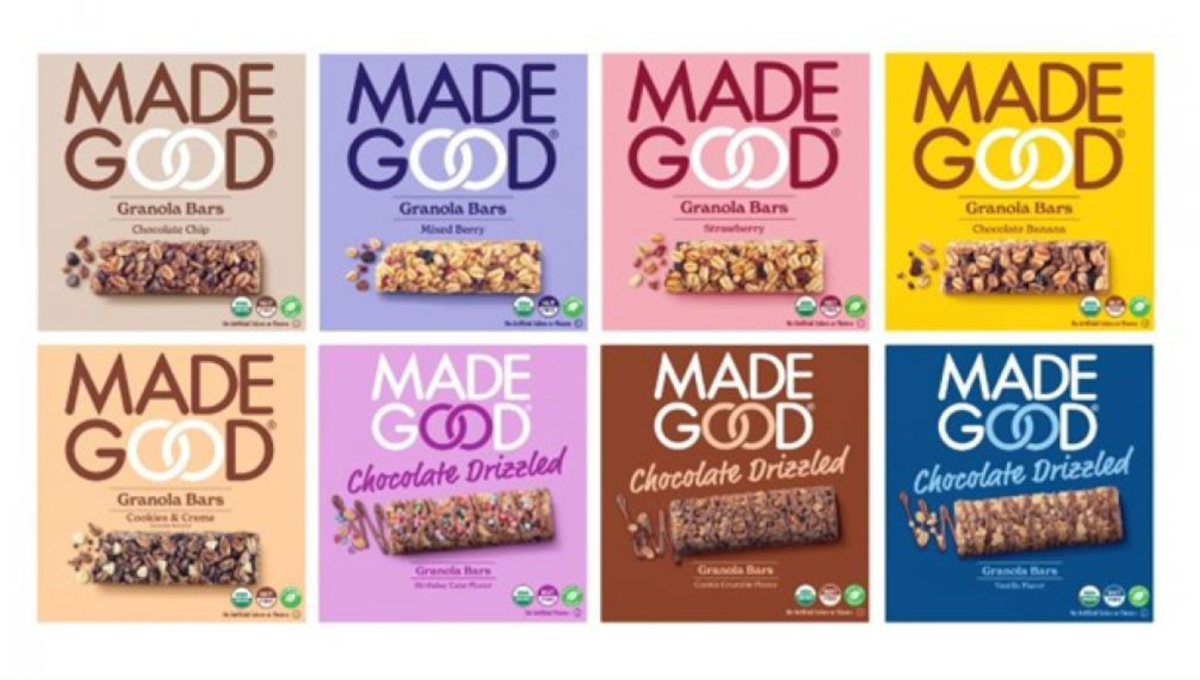
** Riverside Natural Foods Inc. Issues Voluntary Recall of Select MadeGood Granola Bar Products Over Potential Presence of a Piece of Metal Chicago, Illinois, December 9, 2024 – Riverside Natural Foods Inc. is voluntarily recalling certain batches of MadeGood granola bars due to the potential presence of a piece of metal in the product, which, if consumed, may result in a safety hazard. The health and safety of our consumers is our highest priority. This recall is being initiated as a precautionary measure; no injuries have been reported.Specific products impacted by this recall include the following MadeGood products: Chocolate Chip Granola Bars, Mixed Berry Granola Bars, Strawberry Granola Bars, Cookies & Crème Granola Bars, Chocolate Banana Granola Bars, Chocolate Drizzled Birthday Cake Granola Bars, Chocolate Drizzled Cookie Crumble Granola Bars, and Chocolate Drizzled Vanilla Granola Bars. Recalled products were produced between January and November 2024 and distributed throughout Canada, the United States and other international markets. Product UPCs and best by dates included in the recall can be found on the website madegoodfoods.com.Riverside has conducted an extensive investigation where the recalled products were manufactured and has identified the source of the issue in the manufacturing process. The company has remediated the issue and tested the new processes to ensure that any future risk is fully mitigated.The company is conducting the voluntary recall with the knowledge of regulatory authorities and working closely with retailers for the removal of recalled products from store shelves.Consumers who have purchased these products are asked to check them against the list and return the recalled product to the store where they bought it for a full refund.The health and safety of our consumers is our highest priority. If you have questions regarding the recall, please contact the MadeGood Consumer Hotline at 855-215-5695 between 8am and 5pm EST. For more information, visit the MadeGood website.View Full Recall
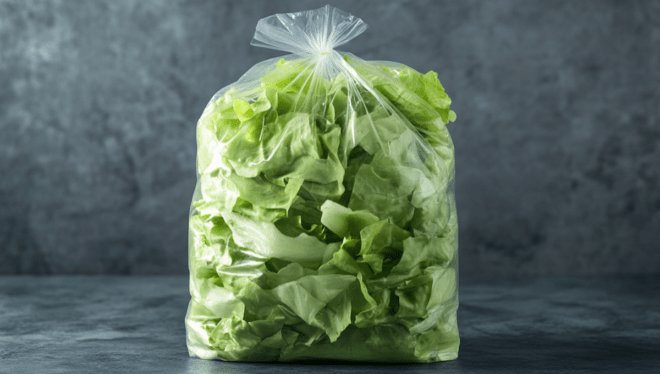
Last week The FDA and CDC, in collaboration with state and local partners, reported that they are investigating illnesses in a multi-state outbreak of E. coli O157:H7 infections linked to an iceberg and romaine lettuce blend served at catering events, restaurants, and a school.
** Lays Potato Chips PLANO, Texas – December 16, 2024 – Frito-Lay today issued a recall of a limited number of 13 oz. bags of Lay’s Classic Potato Chips that may contain undeclared milk, after being alerted through a consumer contact. Those with an allergy or severe sensitivity to milk run the risk of a serious or life-threatening allergic reaction if they consume the recalled product.
The product included in this recall was distributed to certain retail stores and e-commerce distributors in Oregon and Washington. Consumers would have been able to purchase these chips as early as November 3, 2024.
No allergic reactions related to this matter have been reported to date.
No other Lay’s products, flavors, sizes or variety packs are recalled.
The recalled product is in a flexible bag, and the specific information is listed below:
Product Description
Size
UPC
Code Date & Manufacturing Code
Representative Image
Lay’s Classic Potato Chips
13 oz. (368.5 grams)
28400 31041
Must have both “Guaranteed Fresh” date of 11 FEB 2025 AND one of the following the Manufacturing Codes 6462307xx OR 6463307xx
See Image Below
If consumers have an allergy or sensitivity to milk, they should not consume the product and discard it immediately. Frito-Lay has informed the FDA of this action.
Consumers with the product described above can contact Frito-Lay Consumer Relations at 1-800-352-4477 (9 a.m. – 4:30 p.m. CST, Monday-Friday).
By News Desk on Dec 13, 2024 09:06 pm Alexander & Hornung, a St. Clair Shores, MI, establishment and business unit of Perdue Premium Meat Company Inc., is recalling 2,320,774 pounds of fully cooked ham and pepperoni products that may be contaminated with listeria monocytogenes, according to the USDA’s Food Safety and Inspection Service (FSIS). This product recall has been… Continue Reading
** Stanley is recalling about 2.6 million of its mugs due to the lids. The lid threads on the Switchback and Trigger Action travel mugs could shrink if exposed to too much heat, which causes the lid to come off, “posing a burn hazard,” the Consumer Product Safety Commission said Thursday.
Riverside Natural Foods Inc. is recalling certain MadeGood granola bars because of the potential presence of a piece of metal in the product, which, if consumed, may result in a safety hazard.
Specific products impacted by this recall include the following MadeGood products: Chocolate Chip Granola Bars, Mixed Berry Granola…Continue Reading
A Cryptosporidium outbreak in Sweden in late 2023 was found to be caused by contaminated kale mixed salad from salad bars in grocery stores.
The outbreak was caused by a previously undetected Cryptosporidium parvum subtype. Infection with this novel subtype seemed to result in a higher frequency of fever and vomiting.…Continue Reading
Reser’s Fine Foods, Inc. is recalling Gyro Family Kits from Sprouts stores because of potential Salmonella contamination of the cucumbers within the tzatziki sauce.
The recalled product was distributed to Sprouts stores in the following states: Alabama, Arizona, California, Colorado, Delaware, Florida, Georgia, Kansas, Louisiana, Maryland, Missouri, North Carolina, New…Continue Reading
By News Desk on Dec 10, 2024 12:00 am More than 40 patrons and staff at a restaurant in State College, PA, were sickened by norovirus this past week. According to officials from the Pennsylvania Department of Health, laboratory evidence confirmed that the highly contagious pathogen caused the outbreak. Faccia Luna restaurant was closed for three days after the… Continue Reading
By News Desk on Dec 09, 2024 09:58 am Fresh Creative Foods is recalling The Beef & Lamb Gyro Sandwich Express Meal Kit because of possible Salmonella contamination. The recalled product contains cucumbers in the tzatziki sauce included in the kit. These cucumbers were recalled by Baloian Farms of Arizona Co. (Baloian) because of possible Salmonella. The recalled meal… Continue Reading
By News Desk on Dec 05, 2024 10:07 am Walmart Inc. is recalling Marketside Fresh Cut Cucumber Slices, produced in select stores because of potential Salmonella contamination. This recall was initiated because the product may contain recalled whole cucumbers supplied by SunFed Produce, LLC, which initiated a recall after the U.S. Food and Drug Administration (FDA) notified SunFed that… Continue Reading
Supreme Service Solutions LLC. (dba Supreme Produce) of Farmers Branch, TX is assisting in a Kroger Store recall for cucumbers purchased from Sunfed Produce LLC Recall (purchased from Kroger Stores) because of possible contamination with Salmonella.
The potential contamination was discovered by SunFed who initiated their recall after the US…Continue Reading
By News Desk on Nov 30, 2024 12:52 am 4Earth Farms of Commerce, California, is recalling multiple brands of Organic Vegetable Medley, Conventional Vegetable Medley, and Organic Whole Carrots because it may be contaminated with Shiga toxin-producing Escherichia coli (E. coli) O121:H19. E. coli O121:H19 is a bacterium that can cause serious and sometimes fatal infections in young children, elderly people,… Continue Reading
By Brian Ronholm on Dec 01, 2024 12:03 am There comes a moment in every child’s life when they begin to discover that, although their parents may seem to have all the answers, adults in general do not really have everything figured out. Some kids learn that lesson much sooner than others. For 11-year old Jax Bari, that moment… Continue Reading







You must be logged in to post a comment.