The Civil Rights Act of 1960 is a United States federal law that established federal inspection of local voter registration polls and introduced penalties for anyone who obstructed someone’s attempt to register to vote. It was designed to deal with discriminatory laws and practices in the segregated South, by which blacks and Mexican Texans had been effectively disenfranchised since the late 19th and start of the 20th century. It extended the life of the Civil Rights Commission, previously limited to two years, to oversee registration and voting practices. The act was signed into law by President Dwight D. Eisenhower and served to eliminate certain loopholes left by the Civil Rights Act of 1957.
The Black Hawk war took place in Illinois and southern Wisconsin in the spring and summer of 1832. A band of Native Americans consisting of members of the Sauk tribe plus smaller numbers of other allied tribes under the leadership of the Sauk Chief Black Hawk crossed from Iowa into Illinois to dispute American expansion into their territory.
Black Hawk and his followers were defeated in the last military campaign against Native Americans east of the Mississippi River. Black Hawk surrendered at Fort Crawford in Prairie du Chien Wisconsin in August 1832, ending the war. Several individuals who played prominent roles in the Civil War served in the Black Hawk War,
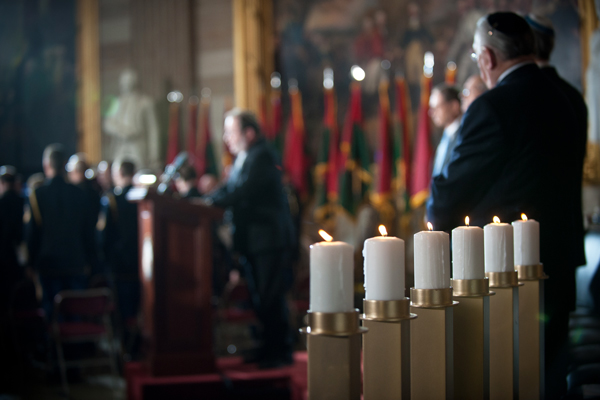
The internationally recognized date for Holocaust Remembrance Day corresponds to the 27th day of Nisan on the Hebrew calendar. It marks the anniversary of the Warsaw Ghetto Uprising.
In Hebrew, Holocaust Remembrance Day is called Yom Hashoah. When the actual date of Yom Hashoah falls on a Friday, the state of Israel observes Yom Hashoah on the preceding Thursday. When it falls on a Sunday, Yom Hashoah is observed on the following Monday. In the United States, Days of Remembrance runs from the Sunday before Yom Hashoah through the following Sunday.










You must be logged in to post a comment.