


1945 – The U.S. government announced the end of shoe rationing.
Posted by Gerry le Roux in Special days
on 30 October 1945 – a happy day for shoe lovers! – the rationing was lifted. Men were again able to buy as many pairs of work boots as they liked. Shoe addicts were no longer bound by the painful limit of three pairs of new must-have’s a year. Children could get all the shoes they needed to accommodate their growing feet. And athletes could burn through as many pairs of sneakers as they wanted.
I for one would have easily been able to carry on as normal during the great WWII shoe rationing – shoes are practical things, after all, and surely don’t need replacing until they fall apart, do they? And, in most cases, they’re not even good for you – as I’ve mentioned before, you’re definitely better off going barefoot when possible. So the whole shoe addiction thing is a bit of a mystery to me.
Resource: sciencelens.co.nz
Share this:

“The Autobiography of Malcolm X” is published
The Explosive Chapter Left Out of Malcolm X’s Autobiography
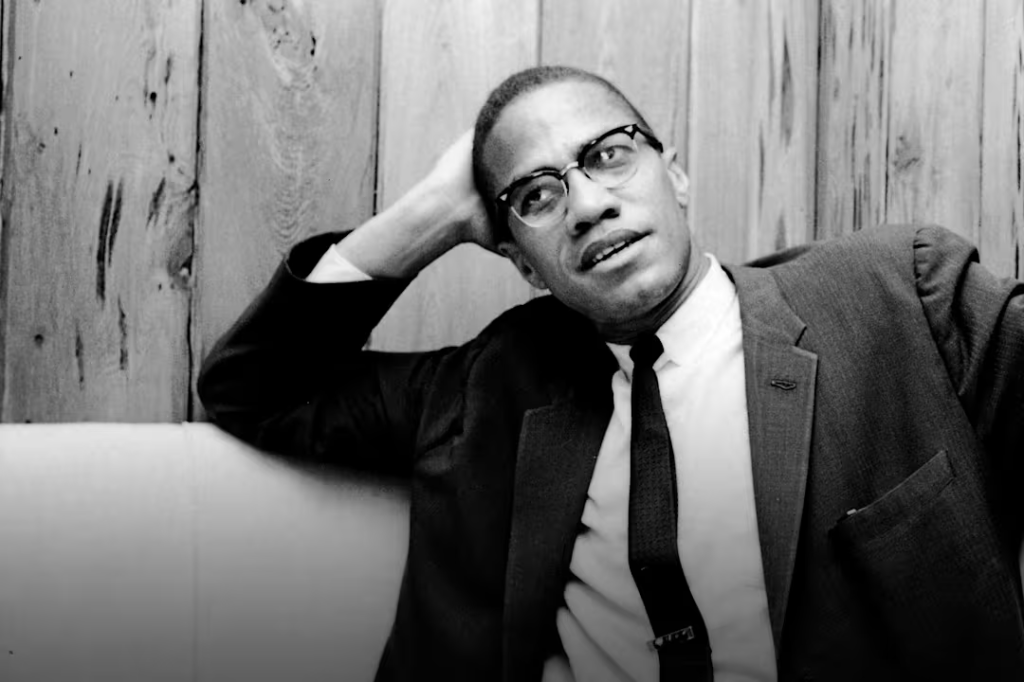
Its title—’The Negro’—seemed innocuous enough. But the revolutionary civil rights leader intended it to invoke a much harsher meaning.
By: Missy Sullivan
On October 29, 1965, nine months after its subject’s assassination, The Autobiography of Malcolm X is first published. The non-traditional autobiography of a singular figure in Black history, the book tells the story and establishes some of the core elements of the legacy of the slain civil rights leader.
The idea for the Autobiography came not from Malcom X himself but from the publishing company Doubleday, who asked journalist Alex Haley to pursue the project. Malcolm X was skeptical of the idea, and Haley later recounted that even after he had begun interviews for the book, it was difficult to keep him focused on himself rather than the Nation of Islam and its leader, Elijah Muhammad. Eventually, however, the two developed a sometimes contentious but fruitful working relationship, with Haley conducting hours of interviews and advising Malcolm X on storytelling and style.
History.com editors
Source: history.com
Share this:

Killer smog claims elderly victims ~ In Memory …

Killer smog hovered over Donora, Pennsylvania, on October 29, 1948. Over a five-day period, the smog killed about 20 people and made thousands more seriously ill. Donora was a town of 14,000 people on the Monongahela River in a valley surrounded by hills. The town was …read more
In the aftermath, air pollution finally became a matter of public concern; the incident led to the passage of 1955 Clean Air Act. The Donora Zinc Works shuttered operations in 1957.
Citation Information
Article Title
Killer smog claims elderly victims
AuthorHistory.com Editors
Website Name
HISTORY
URL
https://www.history.com/this-day-in-history/killer-smog-claims-elderly-victims
Access Date
October 29, 2022
Publisher
A&E Television Networks
Last Updated
October 28, 2019
Original Published Date
November 13, 2009
Share this:

AI ~ The Founding Fathers of the US were staunchly opposed to monarchy, advocating for a government based on the rule of law rather than the whims of a King.
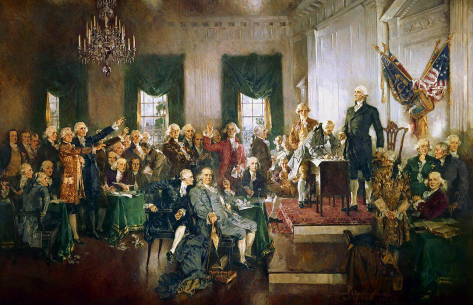
Founding Fathers’ Views on Monarchy
The Founding Fathers expressed their disdain for kings and monarchy through various writings and speeches. Here are some key insights and quotes that reflect their views:
- Opposition to Monarchy: The Founders believed that kings were not the rightful rulers of the people. They asserted that “kings are the servants, not the proprietors of the people,” emphasizing that authority should derive from the consent of the governed rather than hereditary privilege. 1
- Rule of Law: They championed the idea that “in America, the rule of law is king,” indicating that laws should govern society, not individuals. This principle was foundational in the creation of the U.S. Constitution, which aimed to prevent the concentration of power in any single ruler. 1
- Historical Context: The Founders were influenced by their experiences under British rule, where King George III was seen as a tyrant. They believed that “the President of the United States would be an officer elected by the people for four years,” contrasting the elected presidency with the perpetual and hereditary nature of kingship. 1
- Attempts to Establish a Monarchy: Interestingly, there was a moment in American history when some Founders considered inviting a European prince to become king of the United States. This proposal was ultimately rejected, as the Founders recognized the dangers of monarchy and sought to establish a republic instead. 1
- Warnings Against Tyranny: The Founders warned that “government, even in its best state, is but a necessary evil,” highlighting their belief that power must be carefully checked to prevent tyranny
- Source: time.com, ammo.com

 Be a Seed for Change
You must be logged in to post a comment.