** Foods Alive Recalls Organic Moringa Leaf Powder Because of Possible Health Risk. Foods Alive Inc of Angola, IN, is recalling its 8-ounce packages of organic moringa leaf powder because they have the potential to be contaminated with Salmonella, an organism which can cause serious and sometimes fatal infections in young children, frail or elderly people, and others with weakened immune systems. he recalled organic moringa leaf powder was distributed nationwide in retail stores and through online sellers including but not limited to www.foodsalive.comExternal Link Disclaimer.
The product comes in an 8 ounce stand up pouch with a freshest by date of 110127 and the number 02726 below the date, and were shipped between January 27th and August 7th 2026.
No illnesses have been reported to date in connection with this problem. Consumers who have purchased 8 ounce packages of organic moringa leaf powder are urged to return them to the place of purchase for a full refund. Consumers with questions may contact the company at 260-488-4497.
** Frutas y Hortalizas del Sur S.A., San Carlos, Chile expands its July 3, 2026, recall of frozen organic IQF blueberries to include one lot of Great Value frozen Organic Triple Berry Blend 10 OZ because of potential contamination with Escherichia coli O145:H28 (E. coli O145). This recalled product was shipped to select Walmart stores in 16 states including Alabama, Arkansas, Florida, Illinois, Indiana, Kentucky, Louisiana, Minnesota, Mississippi, Missouri, North Carolina, Ohio, Oklahoma, South Carolina, Texas and Wisconsin. Consumers should check their freezers for the affected product.
The affected product is:
- Product: Great Value Organic Triple Berry Blend 10 OZ (Including Strawberries, Blackberries and Blueberries), with UPC: 7874211226
- Package Size: 10 oz
- Lot Code: 6040 01-6 (in front of the package)
- Best If Used By Date: February 9, 2028
Consumers who have Great Value Organic Triple Berry 10 OZ with lot code 6040 01-6 should not consume it. Frutas y Hortalizas del Sur S.A. is working closely with the appropriate regulatory authorities and its customers regarding this recall.
Consumers or customers with questions regarding this recall may contact:
Media Contact: Joshua Weiss
Info.foodsafety@comfrut.com or 336-899-5612.
Monday – Friday 8 AM – 6 PM EST
** Clorox Puerto Rico Recalls 6 Million Scented Mistolin and Lestoil Multi-Purpose Cleaners Due to Risk of Exposure to Bacteria
Hazard:
The recalled products may contain bacteria, including Pseudomonas aeruginosa, which is an environmental organism found widely in soil and water. People with weakened immune systems or external medical devices who are exposed to Pseudomonas aeruginosa face a risk of serious infection that may require medical treatment. The bacteria can enter the body if inhaled, through the eyes, or through a break in the skin. People with healthy immune systems are usually not affected by the bacteria.
Remedy:
Consumers should stop using the recalled cleaners immediately. Consumers will be asked to register at https://mistolinrecall.expertinquiry.com/ and submit a picture of the 12-digit UPC code printed on the label and a picture of the date code printed on the side of the bottle and dispose of the product in its container with household trash. Consumers registering bottles in the affected scents with date codes printed on the bottle beginning with PR01 and followed by a five-digit number between 25091 and 26168 will receive a full refund of the purchase price, with receipt or of the manufacturer’s suggested retail price, without receipt.
Website: http://www.mistolinrecall.com/
Units:
About 6.3 million Phone: (855) 215-5439
** B. Braun Medical Inc. Issues Voluntary Nationwide Recall of 0.9% Sodium Chloride Injection USP, 100 mL, in a 150 mL PAB® Container Due to the Presence of Particulate Matter. Product was distributed Nationwide to hospital and healthcare facilities from February 27, 2026 to August 3, 2026.
B. Braun is notifying its distributors and customers by mail and is arranging for return and replacement of all recalled products. Customers that have the recalled product should return to place of purchase.
Consumers with questions regarding this recall can contact B. Braun by emailing recalls@bbraunusa.com, Monday to Friday 8:00am to 5:00pm EST.
** American Regent, Inc. Issues Voluntary Nationwide Recall of Three Lots of Epinephrine Injection, USP 30 mg/ 30 mL (1 mg/mL) Due to the Presence of Particulate Matter and Lack of Assurance of Sterility. September 3, 2026 – New Albany, OH, American Regent, Inc. is conducting a nationwide voluntary recall of three lots of Epinephrine Injection, USP 30 mg/ 30 mL (1 mg/mL) multidose vials to the consumer level. Customer complaints were received for leaking and cracked vials, resulting in a lack of assurance of sterility. The firm’s investigation also revealed the presence of particulate matter identified as Nylon, Cellulosic, Acrylic, Polyethylene, and Glass. Epinephrine Injection, USP 30 mg/ 30 mL (1 mg/mL) packaged in a multi dose vials, administered intravenously, intramuscularly, or subcutaneously and is to be used by or under the direction of a physician. Epinephrine Injection, USP is indicated for the emergency treatment of allergic reactions (Type I), including anaphylaxis, which may result from insect stings or bites, foods, drugs, sera, diagnostic testing substances, and other allergens, as well as idiopathic anaphylaxis or exercise-induced anaphylaxis. Epinephrine Injection, USP is also indicated to increase mean arterial blood pressure in adult patients with hypotension associated with septic shock. Epinephrine Injection, USP is a clear, colorless, sterile solution available in a 30 mL multiple-dose vial containing 1 mg/mL. The affected Lot Numbers 25128L1C0, 25280L1C0, and 26108L1C0 were distributed nationwide in the United States. Phone: 800-645-1706 (8:00AM-6:00PM
EST, Monday – Thursday, 8:00AM-
4:00PM EST, Friday)American Regent, Inc.
Customer Service
** Frutas y Hortalizas del Sur S.A. Expands Recall to Include One Lot of Great Value Frozen Organic Triple Berry Blend Because of Potential Contamination with Escherichia coli O145:H28 (E. coli O145). This recalled product was shipped to select Walmart stores in 16 states, including Alabama, Arkansas, Florida, Illinois, Indiana, Kentucky, Louisiana, Minnesota, Mississippi, Missouri, North Carolina, Ohio, Oklahoma, South Carolina, Texas, and Wisconsin. Consumers should check their freezers for the affected product.
The affected product is:
- Product: Great Value Organic Triple Berry Blend 10 OZ (Including Strawberries, Blackberries and Blueberries), with UPC: 7874211226
- Package Size: 10 oz
- Lot Code: 6040 01-6 (in front of the package)
- Best If Used By Date: February 9, 2028
Consumers who have Great Value Organic Triple Berry 10 OZ with lot code 6040 01-6 should not consume it.Media Contact: Joshua Weiss
Info.foodsafety@comfrut.com or 336-899-5612.
Monday – Friday 8 AM – 6 PM EST
** The Centers for Disease Control and Prevention (CDC) has confirmed 11,485 patients in the current iceberg lettuce-linked Cyclospora outbreak as of Aug. 27. Patients have been confirmed in three more states: Georgia, Tennessee and Texas. The number of deaths related to the outbreak still stands at two. The CDC continues to investigate additional Cyclospora outbreaks across the country.
** Another sprout product under recall; seed supplier refuses to issue recall
An unnamed seed company is now under investigation in an outbreak traced to fresh sprouts. And, another product has been added to the recall of implicated sprouts.
By Coral Beach
** Alert issued by officials in Hong Kong about formaldehyde in rice noodles
Authorities in Hong Kong have issued a warning about a brand of imported rice noodles because of formaldehyde. The Centre for Food Safety (CFS) of the Food and Environmental Hygiene
By News Desk
** LMSI LLC/Kofinas Olive Oil Issues a Voluntary Recall of its Garlic Mediterranean Infused Extra Virgin Olive Oil for Using a Garlic Essential Oil Not Approved for Culinary Use. LMSI LLC/ Kofinas Olive Oil is issuing a voluntary recall of its Garlic Mediterranean infused extra virgin olive oil for using a garlic essential oil not approved for culinary use. The flavored oil was bottled in glass bottles in 500 ml, 250 ml, and 100 ml sizes.
The recalled products were available for sale from August 31, 2025, to August 27, 2026, at the following locations:
Montgomery Store & Infusion Kitchen: 8210 Market Place Ln., Cincinnati, OH 45242
Findlay Market: 1801 Race St., Cincinnati, OH 45202
Online sales directly from www.kofinasoliveoil.comExternal Link Disclaimer.

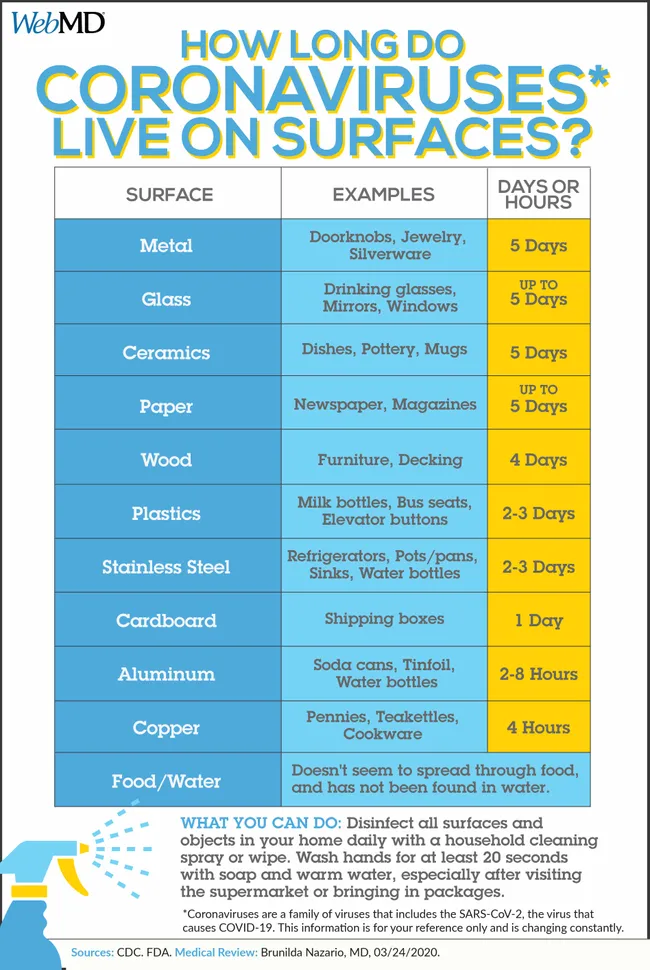 ce suggests that it’s harder to catch the virus from a soft surface (such as fabric) than it is from frequently touched hard surfaces like elevator buttons or door handles,” wrote Lisa Maragakis, MD, senior director of infection prevention at the Johns Hopkins Health System.




 1620 – The Pilgrims left on the Mayflower from Plymouth, England to settle in the New World.


 Be a Seed for Change



You must be logged in to post a comment.