Tag Archives: Japan

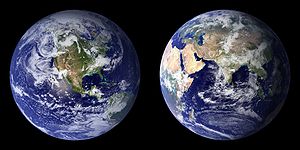
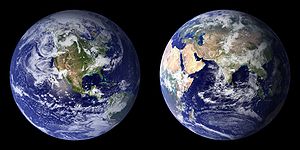
EARTH HOUR 2025: FRIDAY


#TIMEOUTFORNATURE – Earth Hour

Give an Hour to our Earth by spending 60 minutes doing something – anything – positive for our planet.


———————————————————————

ABOUT EARTH HOUR …

Since our beginnings in 2007, Earth Hour has been known for the “lights off” moment, with individuals from around the globe switching off their lights to show symbolic support for the planet and to raise awareness of the environmental issues affecting it.

More than 15 years later, we are now at a tipping point with our climate and nature crises, putting at risk the fate of our one home and all our futures. We are on course to breach by 2030 the 1.5°C global temperature increase limit set by the Paris Climate Agreement, and nature – the source of our very livelihoods and one of our biggest allies against the climate crisis – is also under severe threat, facing alarming and unprecedented rates of loss globally.

The next few years are therefore crucial to all our futures – we have to stay under the 1.5°C climate threshold to avoid irreversible damage to our planet, and we need to reverse nature loss by 2030, ending the decade with more nature than we started, not less.  To make this happen, individuals, communities, businesses, and governments must all urgently step up their efforts to protect and restore our one shared home. 

With this 2030 goal in mind, we too must step things up. So in 2023, we’re breathed new life into Earth Hour – our brand, our work, our message, and our mission – creating the Biggest Hour for Earth. How? By calling on our supporters across the globe to switch off their lights and give an hour for Earth, spending 60 minutes doing something – anything – positive for our planet.

Amidst our increasingly divided and polarized societies, the Biggest Hour for Earth becomes a precious moment of unity, reminding the world that our one shared home needs our help and that we all can – and must – play a part in protecting it.

earthhour.org

National Security: Crisis In Japan


On Friday,  March 11, 2011

Northern Japan was hit by a massive 9.0 earthquake just off its eastern coast. The earthquake spawned a huge tsunami that washed away villages and caused tremendous destruction. At least 2,700 people are confirmed to have died, but many thousands are missing and more than 10,000 people are presumed dead, as bodies have begun washing ashore . To make matters worse, a number of nuclear reactors were in the center of the disaster. Three are now in danger of meltdown, as Japanese emergency workers struggle to contain a nuclear disaster that is already the worst since the Chernobyl meltdown in 1986. Much of the country is now experiencing rolling blackouts, and many of the 400,000 displaced survivors living in makeshift shelters are struggling with limited food and water. The turmoil has caused havoc in Japan’s now recovering economy, leading to a massive drop in the stock market and fears of an economic collapse. The situation is also having an impact in the United States and is prompting a renewed debate over nuclear power and the role of government.

NUCLEAR CRISIS: The Fukushima Daiichi nuclear plant was hit directly by both the earthquake and the resulting tsunami. Three reactors were severely damaged, creating multiple failures in the system that cools the nuclear fuel rods. This has led to a series of explosions that have further damaged the nuclear reactors and released radiation into the air. In the hopes of preventing a full-scale meltdown, emergency workers at the nuclear plant have desperately sought to inject seawater into the reactors to cool down the nuclear fuel rods, but the results have been mixed. The temperatures of the reactors continue to rise, prompting fears of a widespread meltdown. The New York Times noted, “Japan’s nuclear crisis verged toward catastrophe on Tuesday after an explosion damaged the vessel containing the nuclear core at one reactor and a fire at another spewed large amounts of radioactive material into the air.” “Experts in Japan and the United States say the country is now facing a cascade of accumulating problems that suggest that radioactive releases of steam from the crippled plants could go on for weeks or even months.” Eight hundred workers from the plant have been withdrawn, while 50 heroically remain, despite their increasing exposure to radiation. The Japanese government has also told people living within 12 miles of the reactors to evacuate and those within 20 miles were told to stay indoors. The Times quoted a senior nuclear industry executive who had been in contact with his Japanese counterparts who said Japanese power managers are “basically in a full-scale panic. … They’re in total disarray, they don’t know what to do.” Also, the “pool storing spent fuel rods at that fourth reactor had overheated and reached boiling point and had become unapproachable by workers.”

The Japanese government has formally asked the U.S. Nuclear Regulatory Commission for assistance, which dispatched experts to Japan to provide technical assistance. Joe Cirincione, a nuclear expert and president of the Ploughshares Fund, said, “This is an unprecedented crisis. … You have multiple reactor crises at the same time. We’ve never had a situation like this before.”

NUCLEAR DEBATE: The nuclear crisis in Japan has renewed debate over the safety of nuclear power not just in the United States but around the world. Sen. Joseph Lieberman (I-CT) said on Face the Nation, “I don’t want to stop the building of nuclear power plants. … But I think we’ve got to quietly put…the brakes on until we can absorb what has happened in Japan as a result of the earthquake and the tsunami.” Rep. Ed Markey, (D-MA) has called for a “timeout” on new reactors and said that the U.S. should have a moratorium on building reactors in seismic areas of the country. The crisis threatens the bipartisan consensus that emerged over the need for more nuclear power. Nuclear power has been seen as an alternative to burning fossil fuels since it omits zero carbon. William Saletan of Slate warned: “Let’s cool this panic before it becomes a political meltdown. … If Japan, the United States, or Europe retreats from nuclear power in the face of the current panic, the most likely alternative energy source is fossil fuel. And by any measure, fossil fuel is more dangerous.” At the same time, Joe Romm and Richard Caperton of the Center for American Progress write that the nuclear crisis “remind[s] us that nuclear power is inherently risky. … Let’s be clear: If something goes wrong with a U.S. nuclear reactor, the American public will be in double jeopardy — we’ll suffer the health consequences and then also have to pay for it.”

ROLE OF GOVERNMENT: The crisis in Japan clearly demonstrates the importance of government safety regulations. As we learn the full causes and outcomes of the Japanese disaster, the U.S. should revisit and improve safety rules for both existing and proposed reactors. Romm and Caperton explain that, “because taxpayers have so much to lose in a nuclear disaster, the government has a responsibility to take every precaution to minimize that risk.” David Lochbaum of the Union of Concerned Scientists explains in the New York Times that there is a “need to revisit emergency plans to ensure that people get the help they need even when disasters overlap.” Yet Media Matters reported that “in the wake of the crisis at Japanese nuclear reactors, the conservative media have pushed for the removal of ‘obstacles’ to nuclear power and a faster nuclear permit process for nuclear plants.” The proposed budget cuts from Republicans in the House of Representatives further threaten to undermine the safety of the American people. Romm and Caperton warn that “Congress must not cut funding for NOAA’s tsunami warning service. House Republicans have proposed cutting funding to NOAA — the agency directly responsible for tsunami monitoring and warning — restricting the government’s ability to respond. America has a number of reactors that could be affected by a tsunami.” Furthermore, despite the massive 9.0 earthquake, much of the damage in Japan was not caused by the earthquake, but by the tsunami. Thousands of lives were saved due to the strict government-enforced building codes that were absent in a country like Haiti or China, which experienced a significantly higher death toll.

Source: internet

5 Foods Americans Eat that Are Banned Around the World- a repost from 2016-


by The Daily Meal |

The United States government has set several rules and guidelines in place to protect us from eating potentially harmful foods. Several dishes considered real delicacies in other parts of the world, like haggis in Scotland or fugu (puffer fish) in Japan, are banned from the U.S. food market because of potential health risks. But looking at the issue from a reversed angle, there are actually several common foods eaten in America that are banned in other parts of the world.

RELATED: 11 Banned Ingredients We Eat In the U.S.

The shocking truth is that many of our favorite foods, like boxed mac and cheese and yogurt, include ingredients that other countries have established as potentially harmful for health, and therefore are banned. Clearly, mac and cheese on its own isn’t poisonous in any way, but the yellow food colorings #5 and #6 have been shown to cause hypersensitivity in children, and are therefore banned in countries including Norway, Finland, and Australia. For yogurt and other milk products, it is the rBGH and rBST that some countries are concerned with – these growth hormones are banned in several regions including the European Union, Canada, and Japan because of their potentially dangerous impacts on the health of both humans and cows.

RELATED: 10 Foods and Drinks Banned in America

Though the studies and investigations showing the possible dangers of these ingredients are not to be taken lightly, food manufactures in America surely are not trying to poison the American people. Different countries have different policies and politics when it comes to food, and the U.S. Food and Drug Administration (USFDA) assures that it is monitoring the safety of all ingredients available for American consumers. The varying food-safety laws around the world are good reminders for all of us to be aware of what ingredients are in our foods, and not to panic, but to use common sense and mild precaution when choosing what foods we eat.

RELATED: 150 Foods Worth Traveling For

1. Olestra (aka Olean)

Olestra is a zero-calorie fat substitute created to make healthier snacks such as fat-free potato chips. But olestra has been shown to cause side effects in the form of gastrointestinal problems, as well as weight gain – instead of weight loss – on lab rats. The U.K. and Canada are two places that have banned this fat substitute from their food markets.

2. Brominated Vegetable Oil

Brominated vegetable oil (BVO), is vegetable oil, derived from corn or soy, bonded with the element bromine. It’s added to many sodas and sports drinks prevent the flavoring from separating and floating to the surface. But bromine has also been shown to alter the central nervous and endocrine systems, causing skin rashes, acne, loss of appetite, fatigue, and cardiac arrhythmia. The chemical is banned both in Europe and Japan.

RELATED: 101 Best Hotel Restaurants Around the World 2013


3. Synthetic Hormones rBGH & rBST

These two growth hormones can be found in dairy products such as yogurt and milk. The controversy with cows injected with these hormones is that several studies cite rBGH as a cause of cancer. Due to these reports, many consumers in the U.S. choose to buy organic milk and dairy products, as well as those labeled “rBGH free,” and the hormone is totally banned at milk and dairy farms and in dairy products in the European Union, Australia, Canada, Israel, and New Zeeland.

RELATED: 13 Breakfast Plates Around the World

4. Azodicarbonamide

This chemical azodicarbonamide can be found in boxed pasta mixes, breads, frozen dinners, and packaged baked goods, and is added as an instant bleaching agent for flour. In Singapore, Australia, and most European countries, this chemical is banned due to reports of it causing asthma. Azodicarbonamide is also a chemical used in foamed plastics, like yoga mats.

5. BHA and BHT

Found in cereals, nut mixes, chewing gum, butter spreads, and many other foods in need of preservation, BHA (butylated hydroxyanisole) and BHT (butylated hydroxytoluene) are commonly used preservatives. The National Toxicology Program’s 2011 report on carcinogens states that BHA can trigger allergic reactions and hyperactivity and “is reasonably anticipated to be a human hazard.” The preservatives are both banned in parts of the European Union and Japan, and the U.K. doesn’t allow BHA in infant foods.

Click here to see more Foods Americans Eat That Are Banned Around the World


This article is from 2016. I am not sure if things have changed or the list updated… please let me know

what happened after I signed the petition?


AvaazpixDear amazing community,

I often get asked by Avaazers, “what happens after I sign a petition?” And the truth is, a HECK of a lot! Every Avaaz campaign springs from a massive global mandate, and then zeroes in on the best way for our voices to win. Here’s just two of our victories from the last few weeks:

Remember when 2 million of us came together to stop the flogging of a 15-year old rape victim in the Maldives? Her sentence has been quashed! Here’s what our team did to win:

Maldives ad
Our ads threatened the profits of officials who owned parts of the tourism industry
  1. Spoke for hours with the Maldivian Attorney-General and Ministers and emailed the President at his personal account.
  2. Commissioned opinion polls showing massive support for reforms to protect girls. And wrote an Op-Ed in a major national paper.
  3. Persuaded a top Islamic scholar to speak out against flogging.
  4. Threatened to run an ad (right) in tourism publications, affecting the country’s major industry.
  5. Visited the Maldives and the location where the girl was held, pressing officials directly.

Ahmed Shaheed, former Foreign Minister of the Maldives said “The Avaaz contribution was the spearhead of the campaign to overturn the flogging sentence; a petition signed by millions, a country visit, a public opinion survey, and persistent follow-up all proved irresistible.”

Another example: Remember how almost 2 million of us rallied to stop the Maasai tribe in Tanzania from being kicked off their land for a hunting reserve? Last week, the Prime Minister announced they could stay! The petition provided a powerful basis for what the team did next:

Maasai
Maasai women gather to protest the eviction. Photo by Jason Patinkin
  1. Got CNN and the Guardian to visit the Maasai and break the wider story to the world.
  2. Advised Maasai elders on their campaigning strategy.
  3. Flooded Ministers and the President with messages — forcing a debate in cabinet and Parliament.
  4. Ran a hard hitting newspaper ad in an influential paper which publicly shamed the government.
  5. Persuaded diplomats worldwide to raise the issue — embarrassing the government.
  6. Financially supported Maasai elders to travel to the capital where they gathered to ‘occupy’ land outside of the Prime Minister’s office for weeks, refusing to leave until he met them.
Education cheque
Gordon Brown said: “A million dollars has been raised via the brilliant Avaaz.org, in just a few days.”Brazil Open Vote
Key Brazilian Senator joins Avaaz “open vote” naked protest sending a clear message: “we have nothing to hide”

The victory belongs to the Maasai people, but our community helped them win by making this a global issue the government could no longer ignore. This hopefully ends a 20 year land battle!!

Of course, our community does a LOT more than petitions. Last week, we raised a $1 million challenge grant in a few days to donor governments to put Syrian refugee kids in school. At a UN meeting, I was able to put a cheque on the table and issue the challenge on behalf of over 40,000 Avaaz donors. UN Education Envoy Gordon Brown, who chaired the meeting, called our community’s effort a “magnificent and impactful intervention” in getting other governments to give!

And often it’s not the Avaaz team but our community that does the direct lobbying. For example in Brazil, we’re inches away from winning a massive fight to end the shady practice of ‘secret voting’ in the Congress. Our huge push helped win the vote in the lower house and right now, Senators’ telephones are ringing off the hook as Avaaz members across Brazil use our online calling tool to directly tell them to stop this corruption — experts say a win is likely in days!

It’s this unique magic mix between a gigantic and spirited community of citizens able to speak out, donate, and lobby, and a small team of top notch advocates able to take smart, strategic actions at the highest level with democratic legitimacy, that makes our campaigns increasingly unstoppable.

If we keep believing in each other, and growing in size and in commitment, there’s no limit to the good we can do in the world. Thank you so much for the honour and the joy to be part of and serve this community. It’s something truly precious we have here — let’s keep building Avaaz.

With love and appreciation,

Ricken and the team

PS — You might not know that Avaaz is different from just about every other global organization in that we are 100% funded and guided by our community. Every campaign we run is first polled and tested to a random sample (you might think of it as a jury) of our community, that tells us exactly how the whole the community will react. I may be the CEO, but you’re my boss. If you don’t like something (and I don’t mean 51% like it, but 81% like it) then our team go back to the drawing board and come up with a better option for you. We have never, ever, broken this rule. So at the end of the day, it is your wisdom, the collective wisdom of our community, matched with the smartest suggestions the team hears from you and come up with ourselves and from our partners and experts, that determines what we do every single day.

When you add to that the fact that 100% of our funding comes from small online donations (we strictly refuse any donations from corporations, governments, foundations, and even individual donations over 5000 Euros), I think Avaaz may be one of the purest organisational expressions of people-powered change in the world today. Make that an organisation served by a beautiful team of wonderfully talented and deeply committed people that I wish I could introduce you all to, and we’ve got a kind of magic that can build the world we dream of.

PPS — If you want to chip in to help keep it all going, click here: https://secure.avaaz.org/en/october_reportback_a/?biEWLbb&v=29788

PHOTO OF THE MONTH : National Geographic


Picture of cherry blossoms at night in Japan

by Diane Cook and Len Jenshel, from the March 2013 feature story “Night Gardens”


Witness the magic of nocturnal gardens, designed to flourish when the sun sets. In Japan the nighttime viewing of cherry blossoms in spring, like these at Kyoto’s Hirano Shrine, is a special event.
Download this and hundreds of other wallpapers.