Category Archives: ~ pop culture

Cosmo … 15 things Soul Mates may understand


PinterestRedGifts1. No love is perfect. It has its highs and its lows — and some of them are very high, and very low — but the lows are not a sign of weakness or that you shouldn’t be together. Rather, they’re something that brings you closer to each other.

2. Sometimes you just need to hold your partner’s hand or give them a hug, and not ask questions or give them any advice. Just knowing that you’re there is more comforting than words.

3. You can be mad at someone and still love them senseless. Getting mad at someone doesn’t forecast the end of your relationship, it just means you’re humans who have feelings and screw up from time to time.

4. Someone can come from a broken family or make it through a tough childhood, and show no trace of it. This doesn’t mean they have skeletons hiding in their closet that you’ll stumble upon one day, it just means they’re not who they grew up around.

5. Alone time together is sacred. You reach a point in your life when you’re so busy you feel like you don’t ever see each other, much less get alone time together when you’re doing something other than sleeping.

6. Just when you think you can’t love someone any more than you already do, something happens to bring you closer. It might just be a really hilarious joke that only you two would find funny or taking the next step in your relationship, like moving in or getting married, but passion doesn’t have to fade.

7. Compromises are worth it. Because at the end of the day, nothing beats being with the person you love, even if you have to do something you wouldn’t otherwise do to make the relationship work. Because their happiness makes you happy.

8. Communication solves all problems. You can’t expect anyone to read your mind, even your soul mate. And your soul mate will always be able to tell if you’re upset, so you know it’s better just to tell them why instead of leaving them guessing.

9. A whole day with nothing to do but hang out with each other is the hands-down best. This is why honeymoons are the best best BEST best.

10. Cuddling with the person you love will always make you feel better. Nothing beats crawling into the arms of the person you love. Even sometimes when you think you just want to be alone, your partner will scoop you up to comfort you and you’ll feel instantly calmed.    and vice versa -Nativegrl77

11. When you really love someone, you realize you can totally lay bare your insecurities to another person. Even when they feel so personal you never expected to discuss them with another soul. And you feel more secure as a result.

12. When your partner wants to do stuff without you or needs alone time, that doesn’t mean you’re in a fight or things are bad between you two. You know that maintaining lives independently of one another’s is healthy. And chances are, when he’s off with his friends, he’s talking about how wonderful you are.

13. You don’t have to share the same friends for your relationship to work. You just have to be respectful of the people your significant other values.

14. Emotional intimacy and physical intimacy feed each other. It’s a never-ending cycle that brings you closer and closer together, and you feel like you can’t have one without the other.

15. Your soul mate will make you a better person. You’ll want to be kinder, more understanding, more supportive, and more empathetic not just to be the best significant other you can be, but because your S.O. inspires you.

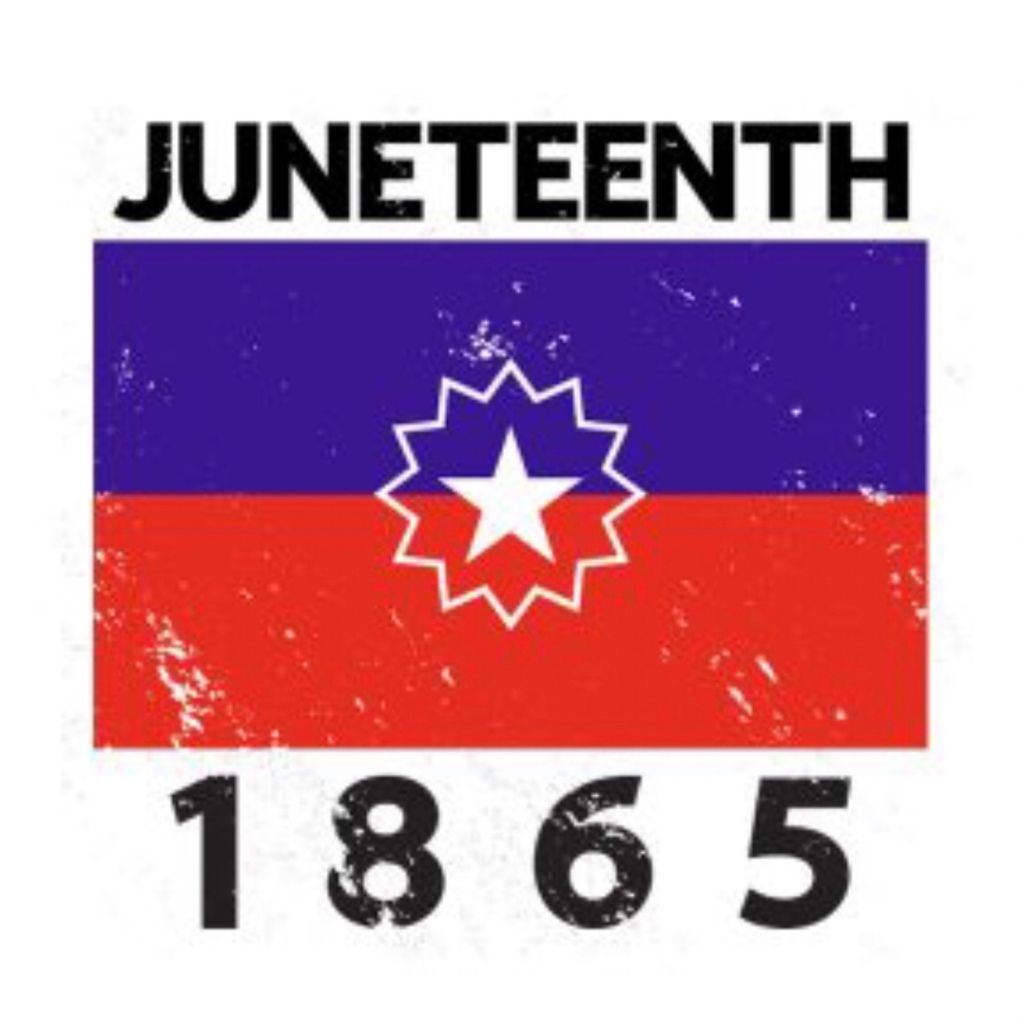
JUNETEENTH is coming – make plans !!!


  © JUNETEENTH.com
the Baltimore Sun  

Juneteenth is the oldest known celebration commemorating the ending of slavery in the United States.

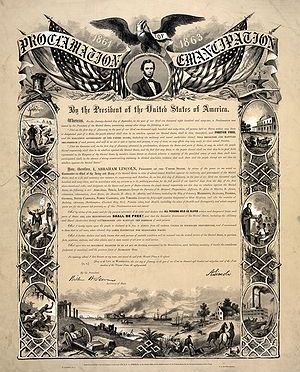
Dating back to 1865, it was on June 19th that the Union soldiers, led by Major General Gordon Granger, landed at Galveston, Texas with news that the war had ended and that the enslaved were now free. Note that this was two and a half years after President Lincoln’s Emancipation Proclamation – which had become official January 1, 1863. The Emancipation Proclamation had little impact on the Texans due to the minimal number of Union troops to enforce the new Executive Order.

However, with the surrender of General Lee in April of 1865, and the arrival of General Granger’s regiment, the forces were finally strong enough to influence and overcome the resistance.

Later attempts to explain this two and a half year delay in the receipt of this important news have yielded several versions that have been handed down through the years. Often told is the story of a messenger who was murdered on his way to Texas with the news of freedom. Another is that the news was deliberately withheld by the enslavers to maintain the labor force on the plantations.

And still, another, is that federal troops actually waited for the slave owners to reap the benefits of one last cotton harvest before going to Texas to enforce the Emancipation Proclamation. All of which or neither of these versions could be true. Certainly, for some, President Lincoln’s authority over the rebellious states was in question For whatever the reasons, conditions in Texas remained status quo well beyond what was statutory.

General Order Number 3

One of General Granger’s first orders of business was to read to the people of Texas, General Order Number 3 which began most significantly with:

“The people of Texas are informed that in accordance with a Proclamation from the Executive of the United States, all slaves are free. This involves an absolute equality of rights and rights of property between former masters and slaves, and the connection heretofore existing between them becomes that between employer and free laborer.”

The reactions to this profound news ranged from pure shock to immediate jubilation. While many lingered to learn of this new employer to employee relationship, many left before these offers were completely off the lips of their former ‘masters’ – attesting to the varying conditions on the plantations and the realization of freedom. Even with nowhere to go, many felt that leaving the plantation would be their first grasp of freedom. North was a logical destination and for many it represented true freedom, while the desire to reach family members in neighboring states drove the some into Louisiana, Arkansas and Oklahoma. Settling into these new areas as free men and women brought on new realities and the challenges of establishing a heretofore non-existent status for black people in America. Recounting the memories of that great day in June of 1865 and its festivities would serve as motivation as well as a release from the growing pressures encountered in their new territory. The celebration of June 19th was coined “Juneteenth” and grew with more participation from descendants. The Juneteenth celebration was a time for reassuring each other, for praying and for gathering remaining family members. Juneteenth continued to be highly revered in Texas decades later, with many former slaves and descendants making an annual pilgrimage back to Galveston on this date.

Juneteenth Festivities and Food

A range of activities were provided to entertain the masses, many of which continue in tradition today. Rodeos, fishing, barbecuing and baseball are just a few of the typical Juneteenth activities you may witness today. Juneteenth almost always focused on education and self improvement. Thus, often guest speakers are brought in and the elders are called upon to recount the events of the past. Prayer services were also a major part of these celebrations.

Certain foods became popular and subsequently synonymous with Juneteenth celebrations such as strawberry soda-pop. More traditional and just as popular was the barbecuing, through which Juneteenth participants could share in the spirit and aromas that their ancestors – the newly emancipated African Americans, would have experienced during their ceremonies. Hence, the barbecue pit is often established as the center of attention at Juneteenth celebrations.

Food was abundant because everyone prepared a special dish. Meats such as lamb, pork and beef which not available everyday were brought on this special occasion. A true Juneteenth celebrations left visitors well satisfied and with enough conversation to last until the next.

Dress was also an important element in early Juneteenth customs and is often still taken seriously, particularly by the direct descendants who can make the connection to this tradition’s roots. During slavery there were laws on the books in many areas that prohibited or limited the dressing of the enslaved. During the initial days of the emancipation celebrations, there are accounts of former slaves tossing their ragged garments into the creeks and rivers to adorn clothing taken from the plantations belonging to their former ‘masters’.

Juneteenth and Society

In the early years, little interest existed outside the African American community in participation in the celebrations. In some cases, there was outwardly exhibited resistance by barring the use of public property for the festivities. Most of the festivities found themselves out in rural areas around rivers and creeks that could provide for additional activities such as fishing, horseback riding and barbecues. Often the church grounds was the site for such activities. Eventually, as African Americans became land owners, land was donated and dedicated for these festivities. One of the earliest documented land purchases in the name of Juneteenth was organized by Rev. Jack Yates. This fund-raising effort yielded $1000 and the purchase of Emancipation Park in Houston, Texas. In Mexia, the local Juneteenth organization purchased Booker T. Washington Park, which had become the Juneteenth celebration site in 1898. There are accounts of Juneteenth activities being interrupted and halted by white landowners demanding that their laborers return to work. However, it seems most allowed their workers the day off and some even made donations of food and money. For decades these annual celebrations flourished, growing continuously with each passing year. In Booker T. Washington Park, as many as 20,000 African Americans once flowed through during the course of a week, making the celebration one of the state’s largest.

Juneteenth Celebrations Decline

Economic and cultural forces provided for a decline in Juneteenth activities and participants beginning in the early 1900’s. Classroom and textbook education in lieu of traditional home and family-taught practices stifled the interest of the youth due to less emphasis and detail on the activities of former slaves. Classroom text books proclaimed Lincoln’s Emancipation Proclamation of January 1, 1863 as the date signaling the ending of slavery – and little or nothing on the impact of General Granger’s arrival on June 19th.

The Depression forced many people off the farms and into the cities to find work. In these urban environments, employers were less eager to grant leaves to celebrate this date. Thus, unless June 19th fell on a weekend or holiday, there were very few participants available. July 4th was the already established Independence holiday and a rise in patriotism steered more toward this celebration.

Resurgence

The Civil Rights movement of the 50’s and 60’s yielded both positive and negative results for the Juneteenth celebrations. While it pulled many of the African American youth away and into the struggle for racial equality, many linked these struggles to the historical struggles of their ancestors. This was evidenced by student demonstrators involved in the Atlanta civil rights campaign in the early 1960’s, whom wore Juneteenth freedom buttons. Again in 1968, Juneteenth received another strong resurgence through Poor Peoples March to Washington D.C.. Rev. Ralph Abernathy’s call for people of all races, creeds, economic levels and professions to come to Washington to show support for the poor. Many of these attendees returned home and initiated Juneteenth celebrations in areas previously absent of such activity. In fact, two of the largest Juneteenth celebrations founded after this March are now held in Milwaukee and Minneapolis.

Texas Blazes the Trail

On January 1, 1980, Juneteenth became an official state holiday through the efforts of Al Edwards, an African American state legislator. The successful passage of this bill marked Juneteenth as the first emancipation celebration granted official state recognition. Edwards has since actively sought to spread the observance of Juneteenth all across America.

Juneteenth In Modern Times

Today, Juneteenth is enjoying a phenomenal growth rate within communities and organizations throughout the country. Institutions such as the Smithsonian, the Henry Ford Museum and others have begun sponsoring Juneteenth-centered activities. In recent years, a number of local and national Juneteenth organizations have arisen to take their place along side older organizations – all with the mission to promote and cultivate knowledge and appreciation of African American history and culture.

Juneteenth today, celebrates African American freedom and achievement, while encouraging continuous self-development and respect for all cultures. As it takes on a more national, symbolic and even global perspective, the events of 1865 in Texas are not forgotten, for all of the roots tie back to this fertile soil from which a national day of pride is growing.

The future of Juneteenth looks bright as the number of cities and states creating Juneteenth committees continues to increase. Respect and appreciation for all of our differences grow out of exposure and working together. Getting involved and supporting Juneteenth celebrations creates new bonds of friendship and understanding among us. This indeed, brightens our future – and that is the Spirit of Juneteenth.

History of Juneteenth ©JUNETEENTH.com

divider.gif (535 bytes)


Why the Founder of Mother’s Day Turned Against It : by Sarah Pruitt


a repost

Beginning in the 1850s, Ann Reeves Jarvis of West Virginia started Mothers’ Day Work Clubs in order to teach women proper child-care techniques and sanitation methods. In the years following the Civil War, these same clubs became a unifying force for a country ripped apart by conflict. In 1868, Jarvis and other women organized a Mothers Friendship Day, when mothers gathered with former soldiers of both the Union and Confederacy to promote reconciliation. After Ann Reeves Jarvis died in 1905, it was her daughter Anna Jarvis who would work tirelessly to make Mother’s Day a national holiday.

Fairtradeflowers

Anna Jarvis, who had no children of her own, conceived of Mother’s Day as an occasion for honoring the sacrifices individual mothers made for their children.

In May 1908, she organized the first official Mother’s Day events at a church in her hometown of Grafton, West Virginia, as well as at a Wanamaker’s department store in Philadelphia, where she lived at the time. Jarvis then began writing letters to newspapers and politicians pushing for the adoption of Mother’s Day as an official holiday. By 1912, many other churches, towns and states were holding Mother’s Day celebrations, and Jarvis had established the Mother’s Day International Association. Her hard-fought campaign paid off in 1914, when President Woodrow Wilson signed a bill officially establishing the second Sunday in May as Mother’s Day.

Jarvis’ conceived of of Mother’s Day as an intimate occasion—a son or daughter honoring the mother they knew and loved—and not a celebration of all mothers. For this reason, she always stressed the singular “Mother’s” rather than the plural. She soon grew disillusioned, as Mother’s Day almost immediately became centered on the buying and giving of printed cards, flowers, candies and other gifts. Seeking to regain control of the holiday she founded, Jarvis began openly campaigning against those who profited from Mother’s Day, including confectioners, florists and other retailers. She launched numerous lawsuits against groups using the name Mother’s Day, and eventually spent much of her sizeable inheritance on legal fees.

In 1925, when an organization called the American War Mothers used Mother’s Day as an occasion for fundraising and selling carnations, Jarvis crashed their convention in Philadelphia and was arrested for disturbing the peace. Later, she even attacked First Lady Eleanor Roosevelt for using Mother’s Day as an occasion to raise money for charity. By the 1940s, Jarvis had disowned the holiday altogether, and even actively lobbied the government to see it removed from the calendar. Her efforts were to no avail, however, as Mother’s Day had taken on a life of its own as a commercial goldmine. Largely destitute, and unable to profit from the massively successful holiday she founded, Jarvis died in 1948 in Philadelphia’s Marshall Square Sanitarium.

The sad history of Mother’s Day founder Anna Jarvis has done nothing to slow down the popularity—and commercialism—of the holiday. According to an annual spending survey conducted by the National Retail Federation, Americans will spend an average of $168.94 on Mother’s Day in 2013, a whopping 11 percent increase from 2012. In total, Mother’s Day spending is expected to reach $20.7 billion this year. In addition to the more traditional gifts (ranging from cards, flowers and candy to clothing and jewelry), the survey showed that an unprecedented 14.1 percent of gift-givers plan to buy their moms high-tech gadgets like smartphones and tablets.

History~ the month of March


The History Place - This Month in History

March 1

1781 – Formal ratification of the Articles of Confederation was announced by Congress. Under the Articles, Congress was the sole governing body of the new American national government, consisting of the 13 original states. The Articles remained in effect through the Revolutionary War until 1789, when the current U.S. Constitution was adopted.

March 30

1855 – About 5,000 “Border Ruffians” from western Missouri invaded the territory of Kansas and forced the election of a pro-slavery legislature. It was the first election in Kansas.

1958 – The Alvin Ailey American Dance Theater gave its initial performance.

 1981 – Newly elected President Ronald Reagan was shot in the chest while walking toward his limousine in Washington, D.C., following a speech inside a hotel. The president was then rushed into surgery to remove a 22-caliber bullet from his left lung. “I should have ducked,” Reagan joked. Three others were also hit including Reagan’s Press Secretary, James Brady, who was shot in the forehead but survived. The president soon recovered from the surgery and returned to his duties.

1909 – In Oklahoma, Seminole Indians revolted against meager pay for government jobs.

1939 – The comic book “Detective Comics #27” appeared on newstands. This comic introduced Batman.

1981 – U.S. President Ronald Reagan was shot and wounded in Washington, DC, by John W. Hinckley Jr. Two police officers and Press Secretary James Brady were also wounded.

Birthday – Vincent Van Gogh (1853-1890) was born in Groot Zundert, Holland. He was a Postimpressionist painter, generally considered the greatest Dutch painter after Rembrandt. During his short (10-year) painting career he produced over 800 oil paintings and 700 drawings, but sold only one during his lifetime. In 1987, the sale of his painting Irises brought $53.9 million, the highest price ever paid for a work of art up to that time. During his life, Van Gogh suffered from despair and bouts of mental illness, at one point cutting off part of his own left ear. He committed suicide in 1890 by gunshot.

March 31

1945 – “The Glass Menagerie” by Tennessee Williams opened on Broadway.

1776 – Abigail Adams wrote to her husband John that women were “determined to foment a rebellion” if the new Declaration of Independence failed to guarantee their rights.

 1933 – The Civilian Conservation Corps, the CCC, was founded. Unemployed men and youths were organized into quasi-military formations and worked outdoors in national parks and forests.

 1968 – President Lyndon Johnson made a surprise announcement that he would not seek re-election as a result of the Vietnam conflict.

1885 – Binney & Smith Company was founded in New York City. The company later became Crayola, LLC.

1889 – In Paris, the Eiffel Tower officially opened.

1870 – In Perth Amboy, NJ, Thomas Munday Peterson became the first black to vote in the U.S.

1902 – In Tennessee, 22 coal miners were killed by an explosion.

1904 – In India, hundreds of Tibetans were slaughtered by the British.

1908 – 250,000 coal miners in Indianapolis, IN, went on strike to await a wage adjustment.

1900 – In France, the National Assembly passed a law reducing the workday for women and children to 11 hours.

 1991 – The Soviet Republic of Georgia, birthplace of Josef Stalin, voted to declare its independence from Soviet Russia, after similar votes by Lithuania, Estonia and Latvia. Following the vote in Georgia, Russian troops were dispatched from Moscow under a state of emergency.

Birthday – Boxing champion Jack Johnson (1878-1946) was born in Galveston, Texas. He was the first African American to win the heavyweight boxing title.

(Photo and picture credits: Library of Congress and U.S. National Archives)