


AGITATOR …


A De Facto Death Sentence for a Father of Four
Robert Greenwald, Brave New Films
|

|
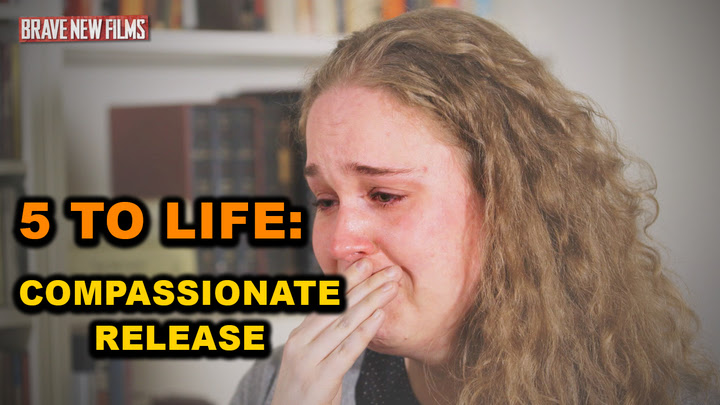
This is the story of Clarence Allen Rice, as told to Brave New Films by his daughter, Allison, and it is a heartbreaking example of a system that doesn’t work. Rice was a 64-year-old, church-going, Iowan father of four who owned a leasing business, got into financial trouble and broke the law trying to get out of it. He had no prior record and was a danger to no one, ever. Shortly into a six-year-sentence he was diagnosed with terminal cancer. He asked for compassionate release, that is, the opportunity to get out of prison before his sentence was fully completed so he could die at home among friends and family. Congress has put into law a system for inmates to petition a judge to reduce their sentence – for compassionate release – if the meet certain criteria including having only a short time left to live. Despite meeting the criteria for compassionate release, the bureaucrats at the prisons department refused to allow him to petition the judge to go home and die in peace. They made the decision themselves, and he died behind bars. This is not how it’s supposed to work, legally, or morally. The Federal Sentencing Commission has made this clear: If criteria are met, a judge weighs in, period. After all, the sentencing judge is in possession of all the facts and in the best position to make a decision. Yet in this case, and in others, prison officials are making the call. Congress should act to prevent this. The rules are clear and no one should be able to get around them. There are so many ways lately that we are being forced to question what kind of country we truly want to be. Here is one, small way, we can answer. Robert Greenwald, President |
Share this:

National Park Week ! enjoy!
 |
|
We are so fortunate to have the Grand Canyon in our backyard. It’s one of the most breathtaking natural wonders in the world, and as Arizonans, it’s our job to protect it.
As we celebrate National Park Week (yes, it’s National Park Week!) I hope you’ll join me in pledging to protect the Grand Canyon.
Thanks,
Tom
|

Share this:

WA State: Paying your employees is a basic cost of doing business, not an extra

Paying the minimum wage is a cost of doing business like any other, not an extra add-on to be counted separately.
workingwa.org Tell them if you’ve seen it on any of your bills
But some businesses have recently added small 1% – 5% “minimum wage” surcharges to their bills in what seems to be an attempt to send a political message about their opposition to raising the wage.
Click here to find out which businesses are adding these charges and help stop this trend.

If there’s no line item for the electrical bill and no napkin-laundering charge called out, then there’s no good reason to tack on an extra 2% and attribute it to the minimum wage — unless you’re trying to send a political message.
Click here to help eliminate misleading “minimum wage” surcharges.

And let us know if you see any surcharges that aren’t listed on our site.
Cheers,
Working Washington
PS> You can contribute here to support our efforts.


You must be logged in to post a comment.