2019 US House of Representatives votes to impeach President Donald Trump for abuse of power (230-197) and obstruction of Congress (229-198)
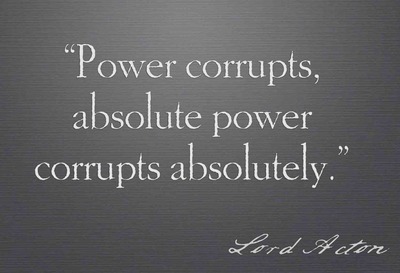


2019 US House of Representatives votes to impeach President Donald Trump for abuse of power (230-197) and obstruction of Congress (229-198)
From Sun, Dec 17, 7:20 AM PST To Sun, Dec 17, 10:00 AM PST
What
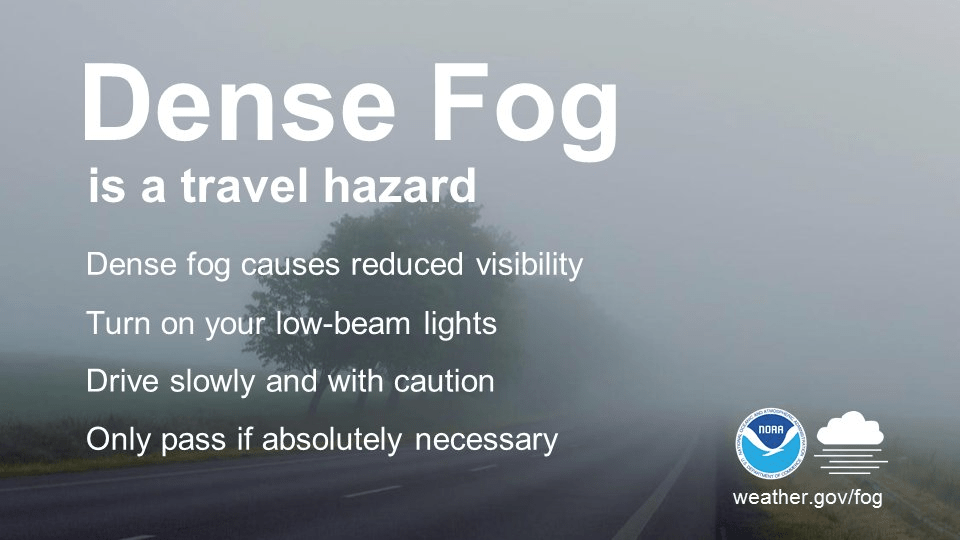
Visibility one quarter to one-half mile in dense fog.
Where
Seattle and Vicinity.
When
Until 10 AM PST this morning.
Impacts
Hazardous driving conditions due to low visibility.
Additional Details
Fog will be most dense south of Seattle.
Summary
If driving, slow down, use your headlights, and leave plenty of distance ahead of you.
Issued By
NWS Seattle WA
From Sat, Dec 9, 2:16 PM PST To Sun, Dec 10, 2:15 PM PST

Rainfall of 4 to 8 inches over the past week has increased soil moisture to moderate levels across western Washington. Heavy rainfall of 1 to 2 inches is expected through Sunday. This amount of rain will put extra pressure on soil instability, leading to an increased threat of landslides.
For more information about current conditions, visit http://www.weather.gov/seattle, select Hydrology, and then scroll down for the links to the landslide information pages.
For more information on landslides, visit the website for the Washington State Department of Natural Resources landslide geologic hazards at: http://bit.ly/2mtA3wn
 the Senate Convened at 11:30amET December 7, 2011
This morning Senator Reid moved to proceed to S.1944, a bill to create jobs by providing payroll tax relief for middle class families and businesses, and filed cloture on the motion. We expect the cloture vote on the motion to proceed to occur Friday morning.
No ROLL CALL VOTES
LEGISLATIVE ITEMS
Passed S.1958, to extend the National Flood Insurance Program until May 31, 2012 by voice vote
Adopted S.Res.345, expressing the sense of the Senate on the closure of Umatilla Army Chemical Depot, Oregon.
No EXECUTIVE ITEMS
———————————————————————————————–
Republicans say they will help only if paid for & regulations eliminated, cut Medicare… though a lack of appropriate regulations caused our economic collapse … these same members of Congress did not pay for the Bush Bonus $$ then or for the extension –Where are t hose jobs the JOB Creators promised
CURRENT HOUSE FLOOR PROCEEDINGS
LEGISLATIVE DAY OF DECEMBER 7, 2011
112TH CONGRESS – FIRST SESSION
-SPECIAL ORDER SPEECHES – The House has concluded all anticipated legislative business and has proceeded to Special Order speeches.6:20:50 P.M. -ONE MINUTE SPEECHES – The House proceeded with further one minute speeches.6:19:59 P.M. -S. Con. Res. 32Motion to reconsider laid on the table Agreed to without objection.6:19:56 P.M. -S. Con. Res. 32On motion to suspend the rules and agree to the resolution Agreed to by voice vote.6:19:13 P.M. -S. Con. Res. 32Considered as unfinished business. S. Con. Res. 32 — “To authorize the Clerk of the House of Representatives to make technical corrections in the enrollment of H.R. 470, an Act to further allocate and expand the availability of hydroelectric power generated at Hoover Dam, and for other purposes.”6:19:13 P.M. -S. 683Motion to reconsider laid on the table Agreed to without objection.6:19:08 P.M. -S. 683On motion to suspend the rules and pass the bill Agreed to by voice vote.6:18:41 P.M. -S. 683Considered as unfinished business. S. 683 — “To provide for the conveyance of certain parcels of land to the town of Mantua, Utah.”6:18:41 P.M. -H.R. 1560Motion to reconsider laid on the table Agreed to without objection.6:18:39 P.M. -H.R. 1560On motion to suspend the rules and pass the bill Agreed to by voice vote.6:17:58 P.M. -H.R. 1560Considered as unfinished business. H.R. 1560 — “To amend the Ysleta del Sur Pueblo and Alabama and Coushatta Indian Tribes of Texas Restoration Act to allow the Ysleta del Sur Pueblo Tribe to determine blood quantum requirement for membership in that tribe.”6:17:58 P.M. -H.R. 2351Motion to reconsider laid on the table Agreed to without objection.6:17:55 P.M. -H.R. 2351On motion to suspend the rules and pass the bill Agreed to by voice vote.6:17:16 P.M. -H.R. 2351Considered as unfinished business. H.R. 2351 — “To direct the Secretary of the Interior to continue stocking fish in certain lakes in the North Cascades National Park, Ross Lake National Recreation Area, and Lake Chelan National Recreation Area.”6:17:16 P.M. -H.R. 2360Motion to reconsider laid on the table Agreed to without objection.6:17:13 P.M. -H.R. 2360On motion to suspend the rules and pass the bill Agreed to by voice vote.6:16:27 P.M. -H.R. 2360Considered as unfinished business. H.R. 2360 — “To amend the Outer Continental Shelf Lands Act to extend the Constitution, laws, and jurisdiction of the United States to installations and devices attached to the seabed of the Outer Continental Shelf for the production and support of production of energy from sources other than oil and gas, and for other purposes.”6:16:26 P.M. -S. 535Motion to reconsider laid on the table Agreed to without objection.6:16:13 P.M. -S. 535On motion to suspend the rules and pass the bill Agreed to by voice vote.6:15:51 P.M. -S. 535Considered as unfinished business. S. 535 — “To authorize the Secretary of the Interior to lease certain lands within Fort Pulaski National Monument, and for other purposes.”6:15:50 P.M. -H.R. 944Motion to reconsider laid on the table Agreed to without objection.6:15:48 P.M. -H.R. 944On motion to suspend the rules and pass the bill Agreed to by voice vote.6:15:09 P.M. -H.R. 944Considered as unfinished business. H.R. 944 — “To eliminate an unused lighthouse reservation, provide management consistency by incorporating the rocks and small islands along the coast of Orange County, California, into the California Coastal National Monument managed by the Bureau of Land Management, and meet the original Congressional intent of preserving Orange County’s rocks and small islands, and for other purposes.”6:14:23 P.M. -UNFINISHED BUSINESS – The Chair announced that the unfinished business was on the question of motions to suspend the rules which had been debated earlier and on which further proceedings had been postponed.6:13:51 P.M. -H.R. 1254At the conclusion of debate, the chair put the question on the motion to suspend the rules. Mr. Pitts objected to the vote on the grounds that a quorum was not present. Further proceedings on the motion were postponed. The point of no quorum was withdrawn.5:33:02 P.M. -H.R. 1254DEBATE – The House proceeded with forty minutes of debate on H.R. 1254.5:32:59 P.M. -H.R. 1254Considered under suspension of the rules.5:32:21 P.M. -H.R. 1254Mr. Pitts moved to suspend the rules and pass the bill, as amended. H.R. 1254 — “To amend the Controlled Substances Act to place synthetic drugs in Schedule I.”5:32:06 P.M. -H. Res. 486Motion to reconsider laid on the table Agreed to without objection.5:32:03 P.M. -H. Res. 486On agreeing to the resolution Agreed to without objection.5:31:50 P.M. -H. Res. 486Considered as privileged matter. H. Res. 486 — “Electing a Member to a certain standing committee of the House of Representatives.”5:30:36 P.M. -Mr. Webster asked unanimous consent That when the House adjourns on Wednesday, December 7, 2011, it adjourn to meet at 9:00 a.m. on Thursday, December 8, 2011. Agreed to without objection.5:29:49 P.M. -Mr. Webster filed a report from the Committee on Rules on H. Res. 487.5:29:30 P.M. -H.R. 10Motion to reconsider laid on the table Agreed to without objection.5:29:29 P.M. -H.R. 10On passage Passed by recorded vote: 241 – 184 (Roll no. 901).5:21:57 P.M. -H.R. 10On motion to recommit with instructions Failed by recorded vote: 183 – 235 (Roll no. 900).5:05:01 P.M. -H.R. 10The previous question on the motion to recommit with instructions was ordered without objection.4:55:34 P.M. -H.R. 10Floor summary: DEBATE – The House proceeded with 10 minutes of debate on the DeLauro motion to recommit. The instructions contained in the motion seek to require the bill to be reported back to the House with an amendment to insert a provision entitled “Protection of Food Safety and Consumer’s Right to Know through Country-of-Origin Labeling”.4:53:59 P.M. -H.R. 10Ms. DeLauro moved to recommit with instructions to Judiciary.4:53:17 P.M. -H.R. 10The previous question was ordered pursuant to the rule.4:53:03 P.M. -H.R. 10The House adopted the amendment in the nature of a substitute as agreed to by the Committee of the Whole House on the state of the Union.4:52:28 P.M. -H.R. 10The House rose from the Committee of the Whole House on the state of the Union to report H.R. 10.4:52:10 P.M. -H.R. 10On agreeing to the Moore amendment; Failed by recorded vote: 183 – 240 (Roll no. 899).4:48:26 P.M. -H.R. 10On agreeing to the Jackson Lee (TX) amendment; Failed by recorded vote: 177 – 242 (Roll no. 898).4:44:44 P.M. -H.R. 10On agreeing to the McCarthy (NY) amendment; Failed by recorded vote: 177 – 246 (Roll no. 897).4:41:32 P.M. -H.R. 10On agreeing to the Schrader amendment; Failed by recorded vote: 183 – 238 (Roll no. 896).4:36:42 P.M. -H.R. 10On agreeing to the Johnson (GA) amendment; Failed by recorded vote: 187 – 236 (Roll no. 895).4:11:11 P.M. -H.R. 10UNFINISHED BUSINESS – The Chair announced that the unfinished business was on the question of adoption of amendments which were debated earlier and on which further proceedings were postponed.4:10:41 P.M. -H.R. 10POSTPONED PROCEEDINGS – At the conclusion of debate on the Moore amendment, the Chair put the question on adoption of the amendment and by voice vote, announced the noes had prevailed. Ms. Moore demanded a recorded vote and the Chair postponed further proceedings on the question of adoption of the amendment until a time to be announced.4:02:22 P.M. -H.R. 10DEBATE – Pursuant to the provisions of H. Res. 479, the Committee of the Whole proceeded with 10 minutes of debate on the Moore Part B amendment No. 7.4:02:18 P.M. -H.R. 10An amendment, offered by Ms. Moore, numbered 7 printed in Part B of House Report 112-311 to exempt any rule relating to veterans or veterans affairs.4:01:47 P.M. -H.R. 10POSTPONED PROCEEDINGS – At the conclusion of debate on the Jackson Lee (TX) amendment, the Chair put the question on adoption of the amendment and by voice vote, announced the noes had prevailed. Ms. Jackson Lee (TX) demanded a recorded vote and the Chair postponed further proceedings on the question of adoption of the amendment until a time to be announced.3:53:20 P.M. -H.R. 10DEBATE – Pursuant to the provisions of H. Res. 479, the Committee of the Whole proceeded with 10 minutes of debate on the Jackson Lee (TX) Part B amendment No. 6.3:53:18 P.M. -H.R. 10An amendment, offered by Ms. Jackson Lee (TX), numbered 6 printed in Part B of House Report 112-311 to exempt all rules promulgated by the Department of Homeland Security.3:52:30 P.M. -H.R. 10POSTPONED PROCEEDINGS – At the conclusion of debate on the McCarthy (NY) amendment, the Chair put the question on adoption of the amendment and by voice vote announced that the noes had prevailed. Mrs. McCarthy (NY) demanded a recorded vote and the Chair postponed further proceedings on adoption of the amendment until later in the legislative day.3:45:35 P.M. -H.R. 10DEBATE – Pursuant to the provisions of H. Res. 479, the Committee of the Whole proceeded with 10 minutes of debate on the McCarthy (NY) Part B amendment No. 5.3:45:30 P.M. -H.R. 10An amendment, offered by Mrs. McCarthy (NY), numbered 5 printed in Part B of House Report 112-311 to exempt any rule relating to food safety, workplace safety, air quality, consumer product safety, or water quality.3:45:22 P.M. -H.R. 10By unanimous consent, the McKinley amendment was withdrawn.3:41:00 P.M. -H.R. 10DEBATE – Pursuant to the provisions of H. Res. 479, the Committee of the Whole proceeded with 10 minutes of debate on the McKinley Part B amendment No. 4.3:41:00 P.M. -H.R. 10An amendment, offered by Mr. McKinley, numbered 4 printed in Part B of House Report 112-311 to reduce the annual effect on the economy of the term `major rule’ from $100,000,000 or more to $50,000,000 or more.3:40:56 P.M. -H.R. 10POSTPONED PROCEEDINGS – At the conclusion of debate on the Schrader amendment, the Chair put the question on adoption of the amendment and by voice vote announced that the noes had prevailed. Mr. Schrader demanded a recorded vote and the Chair postponed further proceedings on adoption of the amendment until later in the legislative day.3:36:31 P.M. -H.R. 10 DEBATE – Pursuant to the provisions of H. Res. 479, the Committee of the Whole proceeded with 10 minutes of debate on the Schrader Part B amendment No. 3.3:36:00 P.M. -H.R. 10An amendment, offered by Mr. Schrader, numbered 3 printed in Part B of House Report 112-311 to require a cost benefit analysis to be included with reports to Congress and require agencies to submit criteria for cost benefit analyses to Congress within 12 months of enactment.3:35:26 P.M. -H.R. 10POSTPONED PROCEEDINGS – At the conclusion of debate on the Johnson (GA) amendment, the Chair put the question on adoption of the amendment and by voice vote announced that the noes had prevailed. Mr. Johnson (GA) demanded a recorded vote and the Chair postponed further proceedings on adoption of the amendment until later in the legislative day.3:27:31 P.M. -H.R. 10DEBATE – Pursuant to the provisions of H. Res. 479, the Committee of the Whole proceeded with 10 minutes of debate on the Johnson (GA) Part B amendment No. 2.3:27:05 P.M. -H.R. 10An amendment, offered by Mr. Johnson (GA), numbered 2 printed in Part B of House Report 112-311 to exempt any rule that the Office of Management and Budget determines would result in net job creation.3:26:39 P.M. -H.R. 10On agreeing to the Sessions amendment; Agreed to by voice vote.3:18:20 P.M. -H.R. 10DEBATE – Pursuant to the provisions of H. Res. 479, the Committee of the Whole proceeded with 10 minutes of debate on the Sessions Part B amendment No. 1.3:18:00 P.M. -H.R. 10An amendment, offered by Mr. Sessions, numbered 1 printed in Part B of House Report 112-311 to require the agency submitting the report on a proposed Federal rule to include an assessment, as part of the cost-benefit analysis submitted to the Comptroller General and each House of Congress, of anticipated jobs gained or lost as a result of implementation, and to specify whether those jobs will come from the public or private sector.2:00:02 P.M. -H.R. 10GENERAL DEBATE – The Committee of the Whole proceeded with one hour of general debate on H.R. 10.1:59:54 P.M. -H.R. 10The Speaker designated the Honorable Jeff Denham to act as Chairman of the Committee.1:59:53 P.M. -H.R. 10House resolved itself into the Committee of the Whole House on the state of the Union pursuant to H. Res. 479 and Rule XVIII.1:59:46 P.M. -H.R. 10Rule provides for consideration of H.R. 10 with 1 hour of general debate. Previous question shall be considered as ordered without intervening motions except motion to recommit with or without instructions. Measure will be considered read. Specified amendments are in order. The resolution waives all points of order against consideration of the bill. The resolution waives all points of order against provisions in the bill, as amended.1:59:41 P.M. -H.R. 10Considered under the provisions of rule H. Res. 479. H.R. 10 — “To amend chapter 8 of title 5, United States Code, to provide that major rules of the executive branch shall have no force or effect unless a joint resolution of approval is enacted into law.”1:54:01 P.M. -H.R. 1540The Speaker appointed conferees – from the Committee on Armed Services for consideration of the House bill and the Senate amendment, and modifications committed to conference: McKeon, Bartlett, Thornberry, Akin, Forbes, Miller (FL), LoBiondo, Turner (OH), Kline, Rogers (AL), Shuster, Conaway, Wittman, Hunter, Rooney, Schilling, Griffin (AR), West, Smith (WA), Reyes, Sanchez, Loretta, McIntyre, Andrews, Davis (CA), Langevin, Larsen (WA), Cooper, Bordallo, Courtney, Loebsack, Tsongas, and Pingree (ME).1:53:36 P.M. -H.R. 2055The Speaker appointed conferees: Rogers (KY), Young (FL), Lewis (CA), Frelinghuysen, Aderholt, Emerson, Granger, Simpson, Culberson, Crenshaw, Rehberg, Carter, Dicks, Visclosky, Lowey, Serrano, DeLauro, Moran, Price (NC), and Bishop (GA).1:52:48 P.M. -H.R. 2055Motion to reconsider laid on the table Agreed to without objection.1:52:47 P.M. -H.R. 2055On motion that the House instruct conferees Agreed to by the Yeas and Nays: 409 – 13 (Roll no. 894).1:45:43 P.M. -H.R. 1540Motion to reconsider laid on the table Agreed to without objection.1:45:42 P.M. -H.R. 1540On motion to close portions of the conference Agreed to by the Yeas and Nays: 406 – 17, 1 Present (Roll no. 893).1:37:07 P.M. -H.R. 1540Mr. McKeon moved to close portions of the conference.1:36:54 P.M. -H.R. 1540On motion that the House instruct conferees Agreed to by recorded vote: 421 – 2 (Roll no. 892).1:10:18 P.M. -H.R. 1540The previous question was ordered without objection.12:49:04 P.M. -H.R. 1540DEBATE – The House proceeded with one hour of debate on the Smith(WA) motion to instruct confeeres on H.R. 1540. The instructions contained in the motion seek to require the managers on the part of the House to insist on the amendments contained in subtitle I of title V of the House bill (sections 581 through 587 relating to improved sexual assault prevention and response in the Armed Forces).12:48:53 P.M. -H.R. 1540Mr. Smith (WA) moved that the House instruct conferees.12:48:31 P.M. -H.R. 1540On motion that the House disagree to the Senate amendment, and agree to a conference Agreed to without objection.12:47:27 P.M. -H.R. 1540Mr. McKeon asked unanimous consent that the House disagree to the Senate amendment, and agree to a conference.12:41:13 P.M. -H.R. 2055POSTPONED PROCEEDINGS – At the conclusion of debate on the Dicks motion to instruct conferees on H.R. 2055, the Chair put the question on adoption of the motion to instruct conferees and by voice vote, announced that the ayes had prevailed. Mr. Dicks demanded the yeas and nays and the Chair postponed further proceedings on the question of adoption of the motion to instruct conferees on H.R. 2055 until a time to be announced.12:40:42 P.M. -H.R. 2055The previous question was ordered without objection.12:34:44 P.M. -H.R. 2055DEBATE – The House proceeded with one hour of debate on the Dicks motion to instruct conferees on H.R. 2055. The instructions contained in the motion seek to require the managers on the part of the House to recede to the Senate on the higher level of funding for the “Department of Veterans Affairs-Medical and Prosthetic Research” account.12:34:31 P.M. -H.R. 2055Mr. Dicks moved that the House instruct conferees.12:34:09 P.M. -H.R. 2055On motion that the House disagree to the Senate amendment, and agree to a conference Agreed to without objection.12:33:42 P.M. -H.R. 2055Mr. Rogers (KY) asked unanimous consent that the House disagree to the Senate amendment, and agree to a conference.12:04:37 P.M. -ONE MINUTE SPEECHES – The House proceeded with one minute speeches which by direction of the Chair, would be limited to 15 per side of the aisle.12:02:44 P.M. -PLEDGE OF ALLEGIANCE – The Chair designated Mr. Quigley to lead the Members in reciting the Pledge of Allegiance to the Flag.12:02:34 P.M. -The Speaker announced approval of the Journal. Pursuant to clause 1, rule I, the Journal stands approved.12:01:09 P.M. -Today’s prayer was offered by Reverend Roger Schoolcraft, Fayetteville, Arkansas12:00:45 P.M. -The House convened, returning from a recess continuing the legislative day of December 7.11:17:55 A.M. -The Speaker announced that the House do now recess. The next meeting is scheduled for 12:00 P.M. today.10:00:39 A.M. -MORNING-HOUR DEBATE – The House proceeded with Morning-Hour Debate. At the conclusion of Morning-Hour, the House will recess until 12:00 p.m. for the start of legislative business.10:00:20 A.M. -The Speaker designated the Honorable Robert E. Latta to act as Speaker pro tempore for today.10:00:00 A.M. -The House convened, starting a new legislative day.





You must be logged in to post a comment.