President Franklin D. Roosevelt took office during the Great Depression and instituted sweeping economic regulations and reforms as “a New Deal for Americans.” With his Democratic party dominating Congress, he pushed through New Deal legislation, but the Supreme Court’s conservative majority declared many key statutes unconstitutional. In 1937 Roosevelt proposed a Judicial Procedures Reform Bill that would have allowed him to expand the Supreme Court and appoint new justices sympathetic to his agenda. Congress strongly opposed the president’s “court packing” plan.
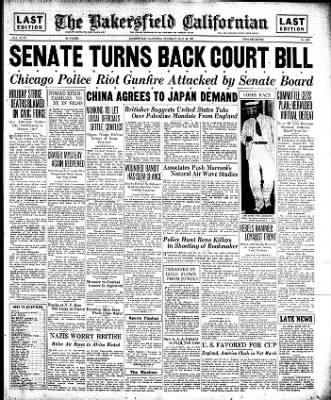
In 1937 the Senate rejected President Roosevelt’s efforts to change the Supreme Court’s structure. Roosevelt’s proposed changes would have allowed him to pack the court with judges who supported his policies, threatening judicial independence.
July was originally the month of Quintilis in the Roman calendar. It was the fifth month of the year until January and February were added in 450 BC. It got its original name from the Latin word for fifth. Later the name was changed to Julius in honor of Julius Caesar who was born on July 12.
Independence Day
Bastille Day
Parent’s Day
July is the warmest month in the Northern Hemisphere on average. It is similar to January in the Southern Hemisphere.
Sometimes the hot, long days of July are called the “dog days of summer”.
It is sometimes called the Hay month because the grass dries out due to a lack of rain and can be made into hay.
July’s birthstone, the ruby, is often associated with contentment, love, passion, and integrity
Tameka Drummer is a 46 year old mother of 4 serving a life sentence without the possibility of parole for possession of less than 2 ounces of marijuana.
She was pulled over in Alcorn County Mississippi for not having a license plate. which lead to her car being searched. A proper tag was in the back seat. That’s the night her life sentence began. Tameka has been in prison since she was 34 years old. Her youngest child was 4 when she was arrested.
In April her child turned 16. Tameka was sentenced under Mississippi’s crushing “habitual offender” law. The only hope for Tameka to ever leave prison alive is for you,
Governor Reeves, to pardon her, grant her clemency or commute her sentence. You have the awesome power to give Tameka and her family their life back. Give a mother the chance to hold her child again. You hold her life in your hands. Her release would save Mississippi tax payers untold amounts of money and resources but also remove the stain of this injustice from our collective conscience.
Please show the world that Mississippi is changing everyday, We are merciful and believe in redemption.
1921 Congresswoman Alice Mary Robertson becomes the first woman to preside over the floor of US House of Representatives
Oklahoman Alice Mary Robertson, seen here outside the Capitol Building, was elected to the House in 1920. She served on the Indian Affairs Committee; the Committee on Expenditures; and, as the only woman in the House, she was appointed to the Committee on Woman’s Suffrage. Although she was the first woman to preside over a House session, Robertson was, ironically, also opposed to women seeking national political office.
1715 – The Riot Act took effect in Britain. If a dozen or more persons were disturbing the peace, an authority was required to command silence and read the following, “Our sovereign Lord the King chargeth and commandeth all persons, being assembled, immediately to disperse themselves, and peaceably to depart to their habitations, or to their lawful business, upon the pains contained in the act made in the first year of King George, for preventing tumults and riotous assemblies. God save the king.” Any persons who failed to obey within one hour were to be arrested.





 Be a Seed for Change
You must be logged in to post a comment.