
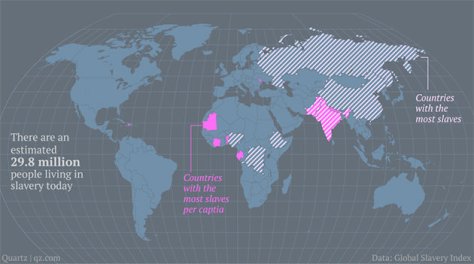
In 2014, the two maps below show estimates of the number of people enslaved and where

Rhode Island’s 1652 Anti-Slavery Law
On May 18, 1652, the General Court of Election in Rhode Island passed one of the first anti-slavery statutes in the American colonies TIME+1. The law, enacted in Providence and Warwick, aimed to end the practice of lifetime enslavement by limiting the duration of servitude to ten years for any person—black or white—brought into the colony. If someone was taken under 14, they could not be bound for more than ten years or until they reached 24, whichever came first EBSCO.
Context and Influences
- Religious opposition: The law reflected the moral stance of Rhode Island’s Puritan and Quaker communities, who opposed lifelong enslavement EBSCO.
- Colonial identity: As a breakaway colony from Massachusetts, Rhode Island sought to distinguish itself by resisting some of the more oppressive practices of its neighbors TIME.
- Economic realities: Despite the law, Rhode Island’s economy relied on the slave trade. Newport was a major port for exporting slaves to the West Indies, and the colony exported rum made from molasses imported in exchange TIME.
Enforcement and Limitations
- The 1652 law was not widely enforced. There is little evidence that it was applied in practice TIME.
- It only applied to white and black people; enslavement of Native Americans was prohibited in 1676 TIME.
- The law allowed for indentured servitude for periods under ten years, which was still a form of bondage TIME.
Later Developments
- By the 1700s, Rhode Island’s laws had shifted toward perpetual slavery for African and Native Americans, with the 1703 General Assembly recognizing such slavery TIME.
- The colony remained involved in the slave trade until after the American Revolution, when gradual abolition laws began to take effect EBSCO.
- Slavery was fully abolished in Rhode Island by the mid-19th century Rhode Island Department of State ArchivesSpace.
In summary: Rhode Island’s 1652 law was a pioneering but ultimately limited attempt to limit slavery. It reflected early moral opposition to lifelong bondage but was undermined by economic ties to the slave trade and evolving colonial laws that eventually legalized and perpetuated slavery.
Sources: Time, EBSCO and AI


You must be logged in to post a comment.