The “father” of Earth Day, former Senator Gaylord Nelson, would have been 100 years old this year. After witnessing the ravages of the massive 1969 Santa Barbara oil spill, Nelson came up with the idea for a national day to focus on the environment. Honor your father and give back to the environment by making a donation to EDN today!
A CLEAN ENERGY ECONOMY THAT IS FAIR AND JUST FOR ALL
We know the facts: A clean energy economy will create millions of jobs while fighting climate change and saving Americans money. And as we reduce our reliance on fossil fuels, we must ensure that this transition is fair and just for all.
President Obama knows we can’t abandon the workers and communities whose hard work has powered our nation’s economy for the last century. His administration’s POWER+ program will help coal workers transition to high-quality clean energy jobs, invest in health and retirement benefits for workers, and accelerate cleanup of hazardous abandoned mines.
By signing this pledge, I support President Obama’s POWER+ program to fight for the communities who have done so much for our country.
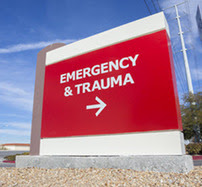
HHS selects regional Ebola treatment center for southwestern U.S.
HHS chose the final piece in its network of Ebola treatment centers. Now, each of HHS’s ten regions has a designated treatment center that can handle Ebola and other special pathogens. This regional network of facilities can treat severe, highly infectious diseases and is vital to improving national health security. Learn More >>
From the ASPR Blog: When active shooters invade safe spaces, having a plan matters
This week, we saw the deadliest mass shooting in the U.S. history. When many people in the community talk about Pulse, the gay night club that was the scene of the attack, they say the same thing: “this was a safe place. The same can be said for hospitals: we think of them as safe places. Yet according to a study in the Annals of Emergency Medicine, there were 154 hospital-related shootings from 2000-2011. So what steps can hospitals take to keep people safe when an active shooter strikes? Find out >>
Psychological First Aid
This week, the nation was stunned by the shooting at the Pulse nightclub in Orlando, Florida. Learning to help people cope with a disaster before one strikes means you are more prepared to act when people need support. Psychological First Aid is an evidence-informed approach for helping children, adolescents, adults, and families in the aftermath of disaster and terrorism. By taking the time to learn about Psychological First Aid now, you might be ready to help those around you when disaster strikes. Learn More >>
Post-Mass Shooting Programs and Resources Overview
Many communities are trying to recover from the tragic shooting in Orlando, Florida. ASPR Technical Resources, Assistance Center, and Information Exchange (TRACIE) has gathered information on programs and resources that are available to help communities cope with the disaster and answer tough questions as they recover. Learn More >>
Guidelines for Travelers Visiting Friends and Family in Areas with Chikungunya, Dengue, or Zika
When you visit friends and family in areas with chikungunya, dengue, or Zika, you may be at risk of getting those diseases. When you are staying with friends and family, it can be easy to forget to take precautions, especially if you are staying for a long time. But taking steps to protect yourself from mosquito-borne diseases is critical to your health. Learn more about these diseases, how to protect yourself from them, and who is most at risk from an infection. Learn More >>
Through turning a blind eye to scientific fact, especially in regards to climate change, the media is directly facilitating irreversible damage to the planet by keeping the masses uninformed.
2015’s Largest Increase in Global CO2 Emissions Came From India
India is developing rapidly as urban areas, transportation systems, and energy infrastructure grow. The Intended Nationally Determined Contribution (INDC) is India’s national climate action plan.
Amazon Watch is concerned about recent violence and a death in Sápara territory in the Ecuadorian Amazon as well as threats to Sápara leaders opposing oil development.
Tragically, Anacleta Dahua, a Sápara woman and mother of eleven, disappeared in May and was later found dead in her garden. Much of the circumstances around her death remain unknown, even a month later. Yet local leaders report intimidation and threats from a handful of pro-oil Sápara who cooperate with the government.
Amazon Watch is calling on the Ecuadorian government to conduct an independent and transparent investigation into the death of Anacleta Dahua, guarantee the safety of leaders such as Gloria Ushigua and her family who are speaking out, and cancel the oil plans for Sápara territory.
More info:
Two new oil projects in the remote southern rainforests of Ecuador are putting the lives of environmental and rights defenders in danger. Driven by the country’s need to pay off oil-backed loans to China, a new Amazonian oil boom is underway. Andes Petroleum, a Chinese state run firm recently signed deals for two oil blocks that overlap titled territory of the Sápara people. The Sápara are a small nation of 575 people, who received recognition from UNESCO for their culture and vulnerability. With the Ecuadorian government and company representatives seeking to illegally enter their territory, Sápara leaders have been speaking out against oil drilling and the project, and are now receiving threats over their efforts to defend their lives, land, and culture.








You must be logged in to post a comment.