John C. Salvi, 3rd (R) speaks with his lawyer J. W. Carney during the Brookline District Court hearing where Salvi pleaded innocent to murder charges, in Brookline, Mass.AFP/Getty Images
John Salvi III walks into two separate abortion clinics in Brookline, Massachusetts, and shoots workers with a rifle, killing two receptionists and wounding five other employees. He was captured the next day after firing 23 shots at a Norfolk, Virginia, medical clinic.
Salvi, who worked in a beauty salon in New Hampshire before his murderous rampage, was described by acquaintances as a “very odd” man. Despite his increasingly erratic behavior, Salvi’s parents resisted getting professional treatment for him. As his mental state deteriorated, he became a zealous anti-abortion activist.
In March 1996, Salvi’s trial jury rejected his insanity defense and convicted him of murder. After receiving two life sentences, he killed himself in prison in November 1996.
The Gadsden Purchase, or Treaty, was an agreement between the United States and Mexico, finalized in 1854, in which the United States agreed to pay Mexico $10 million for a 29,670 square mile portion of Mexico that later became part of Arizona and New Mexico. Gadsden’s Purchase provided the land necessary for a southern transcontinental railroad and attempted to resolve conflicts that lingered after the
While the Treaty of Guadalupe Hidalgo formally ended the Mexican-American War in February 1848, tensions between the Governments of Mexico and the United States continued to simmer over the next six years. The two countries each claimed the Mesilla Valley as part of their own country. The Mexican Government demanded monetary compensation for Native American attacks in the region because, under the Treaty, the United States had agreed to protect Mexico from such attacks; however, the United States refused to comply, insisting that while they had agreed to protect Mexico from Native American attacks, they had not agreed to financially compensate for attacks that did occur. The persistent efforts of private American citizens to enter Mexico illegally and incite rebellions in an effort to gain territory exacerbated tensions between the governments.
** Thousands of CreateOn’s Crayola-branded pip-cubes have been recalled nationally due to the potential to kill or injure children
Some CreateOn’s Crayola-branded pip-cubes pose “an ingestion hazard,” according to the Consumer Product Safety Commission (CPSC)
Around 9,400 of the toy products, sold between May and July, have been recalled
** Gold Star Distribution, Inc. (Gold Star or “the Company”) is recalling all FDA regulated products listed in this press release due to the presence of rodent and avian contamination. No illnesses have been reported to date. If you have any questions, contact Gold Star at 612-617-9800, 7 days a week, 8:00 am to 5:00 pm, Central Standard Time.
** Olympia Provisions, a Portland, Ore., establishment, is recalling approximately 1,930 pounds of ready-to-eat (RTE) holiday kielbasa sausages that may be contaminated with foreign material, specifically metal, the U.S. Department of Agriculture’s Food Safety and Inspection Service (FSIS) announced today. The…
Impacted Products
• 16-oz. vacuum-sealed plastic packages containing one, fully cooked “OLYMPIA PROVISIONS UNCURED HOLIDAY KIELBASA” with “BEST IF USED BY” date “02/19/26” printed on the side of the label.
** Mountain West Food Group, LLC, a Heyburn, Idaho establishment, is recalling approximately 2,855 pounds of raw ground beef products that may be contaminated with E. coli O26, the U.S. Department of Agriculture’s Food Safety and Inspection Service (FSIS) announced today…
Impacted Products
• 16-oz. (1-lb.) vacuum-sealed packages containing “FORWARD FARMS GRASS-FED GROUND BEEF” with “USE OF FREEZE BY 01/13/26 EST 2083” printed on the side of the packaging.
The recalled frozen raw shrimp products are as follows, as shown in the images further below:
Retailer
Brand
Product Size
UPC Code
Best By Date
Store Locations
Dates of Sale
Price Chopper
Market 32
1-lb bags
0 41735 01358 3
04/22/27, 04/23/27, 04/24/27, 04/26/27 or 04/27/27
CT, MA, NH, NY, PA, and VT
After July 11, 2025
Jewel-Osco Albertsons Safeway Lucky Supermarket
Waterfront Bistro
2-lb bags
021130 13224-9
APR 25, 2027 or APR 26, 2027
CO, IA, ID, IL, IN, MT, ND, NV, OR, UT, and WY
On or after June 30,2025
**
** Boss Dairy Farms is voluntarily recalling one retail lot of Charlevoix Cheese Company 8oz Mild Cheddar Cheese because it has the potential to be contaminated with Listeria monocytogenes, an organism which can cause serious and sometime fatal health issues in young children, frail or elderly people, and others with weakened immune systems. Boss Dairy Farms is voluntarily recalling one retail lot of Charlevoix Cheese Company 8oz Mild Cheddar Cheese because it has the potential to be contaminated with Listeria monocytogenes, an organism which can cause serious and sometime fatal health issues in young children, frail or elderly people, and others with weakened immune systems. No illnesses have been reported to date in connection with this problem. For this reason, we are initiating this voluntary recall of the product. Consumers with questions may contact the company at (231) 675-9902.
** Huntsville, Texas — StuffbyNainax LLC is voluntarily recalling all lots of MR.7 SUPER 700000 capsules to the consumer level. FDA analysis has found the product to be tainted with sildenafil and tadalafil, which are active ingredients in FDA-approved prescription drugs used to treat male erectile dysfunction and belong to a class of drugs known as phosphodiesterase type‑5 (PDE‑5) inhibitors. Products containing sildenafil or tadalafil cannot be marketed as dietary supplements.
MR.7 SUPER 700000 capsules are considered an unapproved new drug for which safety and efficacy have not been established and are therefore subject to recall. Affected Product:
Product Name: MR.7 SUPER 700000 Brand: MR.7 Form: Capsules Lot Number: Not available / unlisted Distribution Period: August 2025 – November 2025 Distribution: Sold online in the United States
This recall is being conducted with the knowledge of the U.S. Food and Drug Administration.
** December 16, 2025 – Albuquerque, New Mexico, MediNatura New Mexico, Inc. is voluntarily recalling all lots of ReBoost Nasal Spray to the consumer level. The product has been found to contain yeast/mold and microbial contamination with one species identified as Achromobacter, at levels above specifications. It is also recalling all lots of ClearLife Nasal Spray to the consumer level. The product has been found to contain microbial contamination that may be linked to Achromobacter at levels above specifications. This expansion has been initiated due to the company’s further investigative efforts. To date, MediNatura has not received any reports of adverse events related to this recall. ReBoost Nasal Spray is used as a homeopathic nasal spray to temporarily relieve nasal congestion, sinus headache and pressure, postnasal drip, sneezing, runny nose, and nasal itching and is packaged in a 20mL bottle which is further packaged in a white and yellow carton. The NDC number is 62795-4005-9 and the UPC# is 787647 10186 3. The recalled ReBoost product includes all lots within expiration to ensure consumer safety [Product with Expiration date of 12/2022 to 12/2025]. ClearLife Allergy Nasal Spray is used as a homeopathic nasal spray to temporarily relieve minor allergy symptoms such as sinus pressure, runny or itchy nose, nasal congestion, allergic rhinitis, sneezing, itchy or watery eyes, allergy-related headache, and itchy throat and skin. The product is packaged in a 20mL bottle which is further packaged in a white and green carton. The NDC number is 62795-4006-9 and the UPC# is 787647 10188 7. The recalled ClearLife product includes all lot numbers within expiration to ensure the safety of consumers [Product with Expiration date of 12/2022 to 12/2025].
The products can be identified by their bottle labels and cartons:
ReBoost and ClearLife were distributed nationwide via retail and internet sales(medinatura.com).
All customers should immediately discontinue using the products under recall. Customers who purchased the product directly from MediNatura New Mexico, Inc. should contact MediNatura New Mexico, Inc. at recall@medinatura.com to arrange for a refund. Consumers who purchased the product at retailers should return it to the place of purchase.
** Albuquerque, New Mexico, MediNatura New Mexico, Inc. is voluntarily recalling one lot of ReBoost Nasal Spray to the consumer level. The product has been found to contain yeast/mold and microbial contamination with one species identified as Achromobacter, at levels above specifications. All customers should immediately discontinue using the ReBoost under recall. Customers who purchased the product directly from MediNatura New Mexico, Inc. should contact MediNatura New Mexico, Inc. at recall@medinatura.com to arrange for a refund. Consumers who purchased the product at retailers should return it to the place of purchase.
** The product is used as a homeopathic nasal spray to temporarily relieve nasal congestion, sinus headache and pressure, postnasal drip, sneezing, runny nose, and nasal itching and is packaged in a 20mL bottle which is further packaged in a white and yellow carton. The NDC number is 62795-4005-9 and the UPC# is 787647 10186 3. The recalled ReBoost product includes the following lot number 224268 with an expiration date of 12/2027. The product can be identified by its bottle label and carton.
** Vetoquinol USA, Inc., Fort Worth, TX, is recalling six lots of FOLLTROPIN® (porcine pituitary-derived follicle stimulating hormone for injection) Kits, due to the presence of particulate matter in the sterile diluent vial.
Particulates were observed during routine examination of retained samples of the sterile diluent vials for the following lots: Particulates were observed during routine examination of retained samples of the sterile diluent vials for the following lots:
Kit Lot #
Diluent Lot #
Expiration Date
Distribution Begin Date
Distribution End Date
510578
840915
5/31/2026
08/30/2023
10/23/2023
510579
844585
5/31/2026
10/23/2025
11/06/2023
510580
844583
5/31/2026
11/06/2023
06/18/2024
510581
934975
1/31/2027
06/18/2024
12/13/2024
717059
934976
1/31/2027
06/09/2025
10/28/2025
510582
934973
1/31/2027
12/13/2024
06/09/2025
** MEQUON, WIS. (DECEMBER 3, 2025) – FROMM FAMILY FOODS has issued a recall of 300 cases of Bonnihill Farms BeefiBowls Beef Recipe gently cooked frozen dog food due to potential foreign plastic contamination. Affected recalled product was distributed at neighborhood pet stores regionally in the United States, in the States of IL, WI, TX, AR, MS, OK, LA, CA, NV, AZ, CO, OR, WA, AK, and Canada, in the Province of Ontario. The product is packaged in 16 oz. chubs with Best By Date 12/25/2026. A description of the affected product is below. Consumers who have purchased Bonnihill BeefiBowls Beef Recipe Best By 12/25/2026 dog food are urged to return the product to your retailer. Consumers with questions may contact the company at 1-800-325-6331 from Monday through Friday, 8:00 AM-5:00 PM, Central Time, or you may contact info@frommfamily.com.
Product Name
Net Weight
UPC
Lot Code
Bonnihill BeefiBowls Beef Recipe
16 oz. per chub
072705135004
Best By 12/25/2026 B01
** TBC Distribution Corporate of Brooklyn, NY is recalling Lucky Foods brand Cinnamon Powder 40g, best before date 15.09.2027 because it has the potential to be contaminated with elevated levels of lead. Short term exposures to very low levels of lead may not elicit any symptoms. Lucky Foods brand Cinnamon Powder was distributed to retailers such as, grocery stores, convenience stores, super markets, deli’s, bakeries, and restaurants located in California, Florida, Georgia, Illinois, Maryland, Michigan, North Carolina, New Jersey, New York, Ohio, Oregon, Pennsylvania, South Carolina, and Texas between 04/11/2025 and 09/01/2025 TBC Distribution Corporate Recalls Lucky Foods Brand Cinnamon Powder Because of Possible Health Risk
** Food Safety Recall: Hale inc recalls Lotsa Pasta International Food Shop Roasted Garlic Infused Olive Oil and Lotsa Pasta International Food Shop Fresh Basil Infused Olive Oil (No batch codes applied) due to potential for Clostridium botulinum.
** Brazilian Taste, a Lexington, S.C. establishment, is recalling approximately 4,120 pounds of chicken and beef croquettes due to misbranding and an undeclared allergen, the U.S. Department of Agriculture’s Food Safety and Inspection Service (FSIS) announced today. The product contains sesame, a known allergen, which is not declared on the product label.
The chicken croquettes were produced from March 4, 2025, to August 19, 2025. The beef croquettes were produced on June 2, 2025. The following products are subject to recall [view labels]:
17.63-oz. plastic bag packages containing 5 “SAINT COXINHA XL CHICKEN CROQUETTES” with “best by” dates ranging “11/04/2025” to “04/19/2026” printed on the back of the packaging.
15.8-oz. plastic bag packages containing 15 “SAINT COXINHA CHICKEN CROQUETTES” with “best by” dates ranging “11/04/2025” to “04/19/2026” printed on the back of the packaging.
13.7-oz. plastic bag packages containing 13 “SAINT COXINHA GROUND BEEF CROQUETTE RISOLE DE CARNE” with “best by” date “02/02/2026” printed on the back of the packaging.
The products subject to recall bear establishment number “P-45640” or “Est. 45640” inside the USDA mark of inspection. These items were shipped to retail locations in Connecticut, Georgia, Massachusetts, North Carolina, South Carolina, and Texas, as well as nationwide through online sales. Consumers and members of the media with questions about the recall can contact Ms. Barbara Bueno, Manager, Brazilian Taste at 404-538-5366 or contact@saintcoxinha.com.
Early Alert: Glucose Monitor Sensor Issue from Abbott Diabetes Care. The FDA is aware that Abbott Diabetes Care has sent all affected customers a letter regarding an issue with certain FreeStyle Libre 3 and FreeStyle Libre 3 Plus sensors providing incorrect low glucose readings. If undetected, incorrect low glucose readings over an extended period may lead to wrong treatment decisions for people living with diabetes, such as excessive carbohydrate intake or skipping or delaying insulin doses. These decisions may pose serious health risks, including potential injury or death, or other less serious complications.As of November 14, 2025, Abbott has reported 736 serious injuries, and seven deaths associated with this issue.
** EDWARDSVILLE, IL, November 25, 2025 — Prairie Farms is announcing a recall of select Prairie Farms Gallon Fat Free Milk produced at its Dubuque, Iowa facility and distributed to Woodman’s stores in Illinois and Wisconsin. Some of the product may contain food-grade cleaning agents, which may cause illness if consumed. Only a specific segment of the DEC08 production run was impacted. The affected product was processed between 17:51 and 21:23, representing a portion of that day’s production. To ensure complete containment, Prairie Farms is recalling Gallon Fat Free Milk with the DEC08 code date, PLT19-145 plant code produced during the impacted timeframe of 17:51 to 21:23.
Approximately 320 gallons were sold before the issue was discovered. Consumers who purchased the product with the above code dates should not consume it; they may safely dispose of it or return it to the store for a refund. All remaining affected product has been removed from store shelves.
Other Prairie Farms products are not part of this recall.
Prairie Farms is working in partnership with regulatory authorities and Woodman’s Markets to fully investigate the matter and comply with all necessary recall procedures.
Remaining Product Distribution Locations
Illinois Bloomingdale Buffalo Grove Carpentersville Lakemoor North Aurora Rockford
Wisconsin Appleton Beloit Green Bay Janesville Kenosha Madison Menomonee Falls Oak Creek Onalaska Racine Sun Prairie Waukesha
Contact Information Consumers with questions may contact Prairie Farms Dairy via email at media@prairiefarms.com.
A Salmonella outbreak in the UK that has sickened more than 120 people could be linked to imported eggs, according to initial investigations. The link to eggs was made through
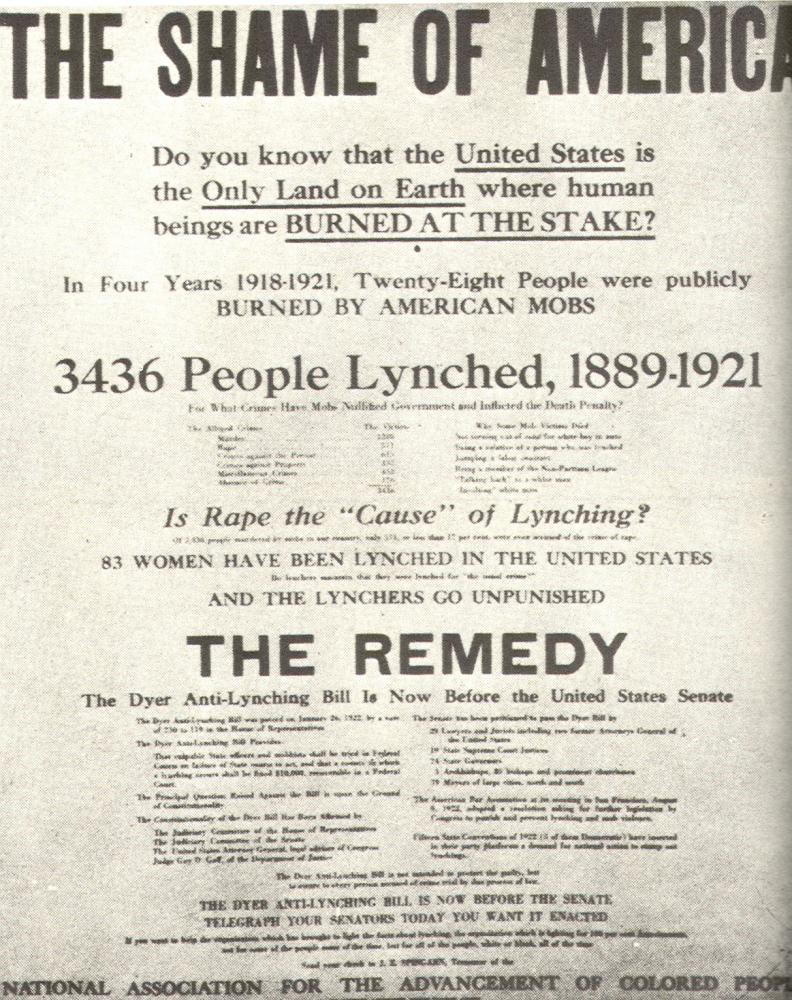
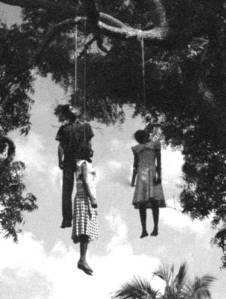
By the 1920s lynchings of African Americans had become a standard practice across the nation. The multiple lynchings in Duluth, Minnesota, however, represent the farthest north this practice reached







You must be logged in to post a comment.