This post had to be reposted as we count down to the 2022 midterms

|

This post had to be reposted as we count down to the 2022 midterms
|
The Civil War began in 1861 as a struggle over whether states had the right to leave the Union. President Abraham Lincoln firmly believed that a state did not have that right. And he declared war on the southern states that tried to leave.
But the fight to preserve the nation was going badly. By summer of 1862, Union troops had not won a decisive victory in Virginia, the heart of the Confederacy. And the war was losing support with politicians and the public in the north. President Lincoln had to do something to guarantee their continued support.
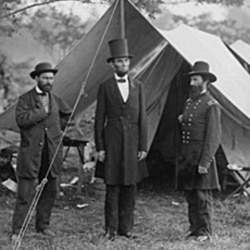
Finally, in September 1862, the Union successfully stopped the Confederate invasion of Maryland. The armies of Union general George McClellan and Confederate general Robert E. Lee battled near Antietam Creek. Almost 100,000 men fought. More than 23,000 were killed, wounded or missing.
Antietam was a violent, savage battle — the bloodiest one-day battle in American history. But the North’s victory there made it easier for Abraham Lincoln to make an important announcement.
Lincoln decided to recognize that slavery was, in fact, a major issue in the war. On September 22, 1862, he announced a new policy on slavery in the rebel southern states. His announcement became known as the Emancipation Proclamation.
learningenglish.voanews.com

September 21, 1955 Moses Wright, Emmett Till’s great uncle, does the unthinkable — he accuses two white men in open court. While on the witness stand, he stands up and points his finger at Milam and Bryant, and accuses them of coming to his house and kidnapping Emmett
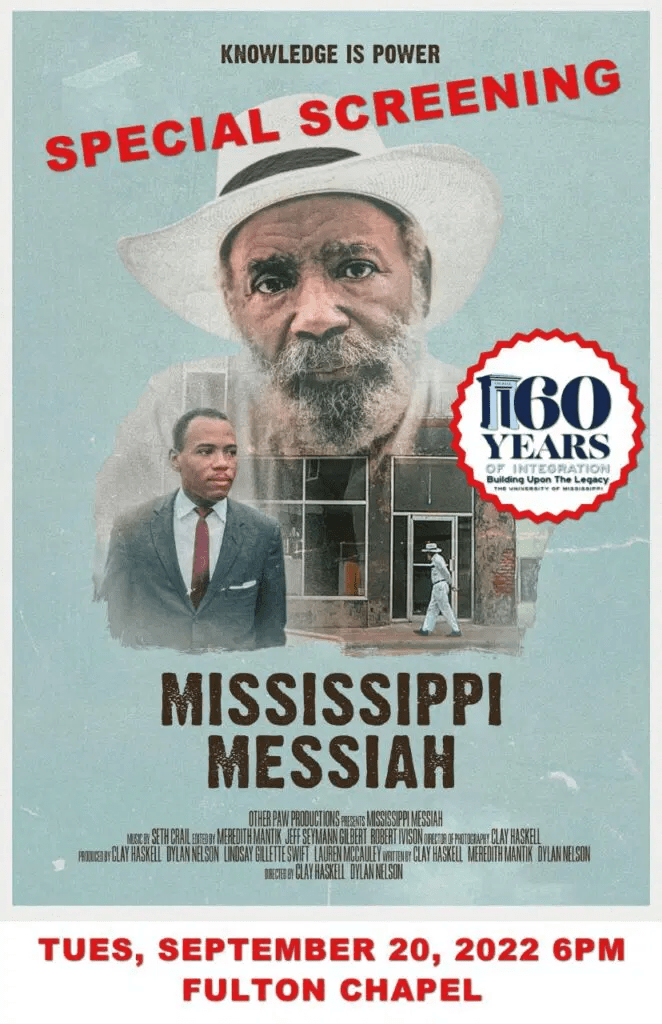
A documentary about the life and sociocultural contributions of James Meredith will be screened next week at the University of Mississippi. “Mississippi Messiah” provides a comprehensive biography of Meredith, who integrated the university in 1962.
The screening, at 6 p.m. Tuesday (Sept. 20) in Fulton Chapel, is among a series of events commemorating the university’s 60th anniversary of integration. The event is free and open to the public.
Kathleen Wickham, professor of journalism, proposed the film’s screening after viewing it at the 2022 Oxford Film Festival.
“When we talk about James Meredith, so much of it is about politics and strategy,” Wickham said. “There is less known about him as a man and his impact on the Black community. That’s one of the threads that I saw in the documentary that made it stand out from other documentaries that I’ve seen about him.
For the complete article: hottytoddy.com


You must be logged in to post a comment.