USDA Seeks Proposals for Joint Chiefs’ Landscape Restoration Partnership due Aug. 5


USDA Seeks Proposals for Joint Chiefs’ Landscape Restoration Partnership, due Aug. 5. 
The Joint Chiefs’ Landscape Restoration Partnership enables NRCS and Forest Service to collaborate with partners such as agricultural producers and forest landowners to invest in conservation and restoration at a big enough scale to make a difference. Proposals are developed through a collaborative process between NRCS, Forest Service and local partners. Past partners have included county, state, non-governmental, Tribal, utilities or private individual stakeholders. Project proposals are due by Aug. 5, 2022, for the 2023 fiscal year. Contact your local service center. Read more about this partnership.

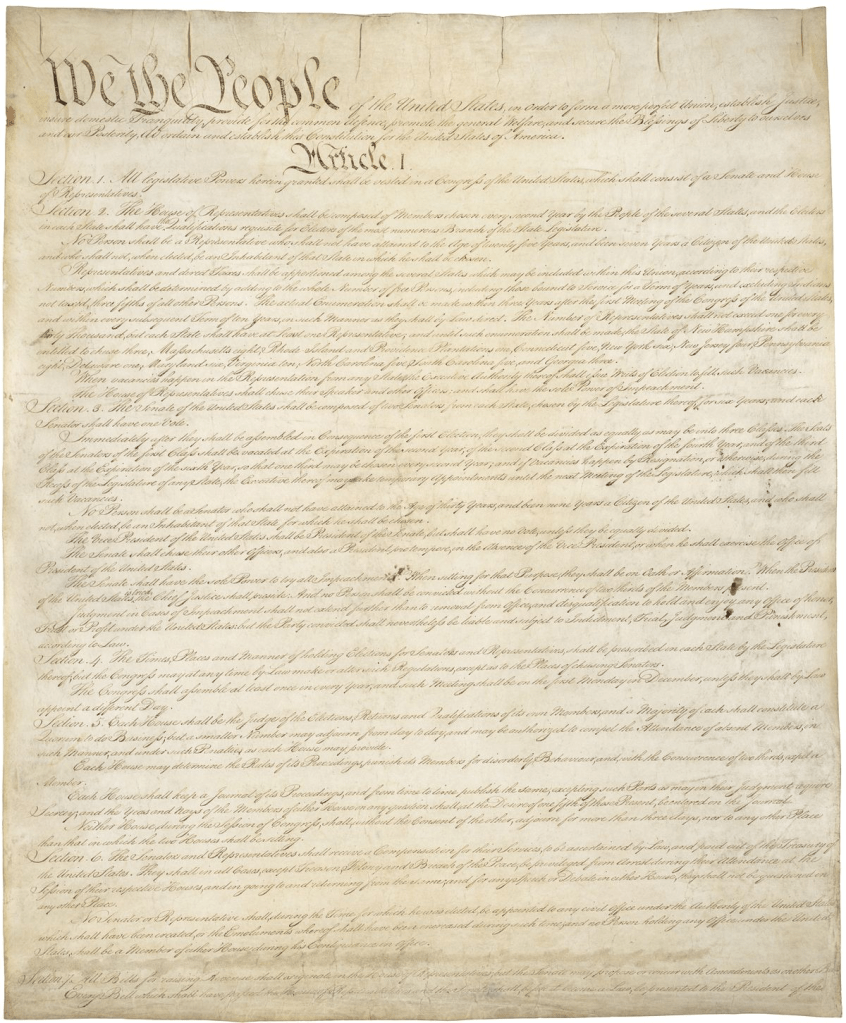
National Defense Act of 1916


Rep. James Hay of Virginia, Chairman of the House Committee on Military Affairs.

The National Defense Act of 1916, Pub.L. 64–85, 39 Stat. 166, enacted June 3, 1916, was a United States federal law that updated the Militia Act of 1903, which related to the organization of the military, particularly the National Guard. 

The principal change of the act was to supersede provisions as to exemptions.

The 1916 act included an expansion of the Army and the National Guard, the creation of an Officers’ and an Enlisted Reserve Corps, and the creation of a Reserve Officers’ Training Corps.

The President was also given expanded authority to federalize the National Guard, with changes to the duration and the circumstances under which he could call it up. The Army began the creation of an Aviation arm, and the federal government took steps to ensure the immediate availability of wartime weapons and equipment by contracting in advance for production of gunpowder and other material.

Source: wiki

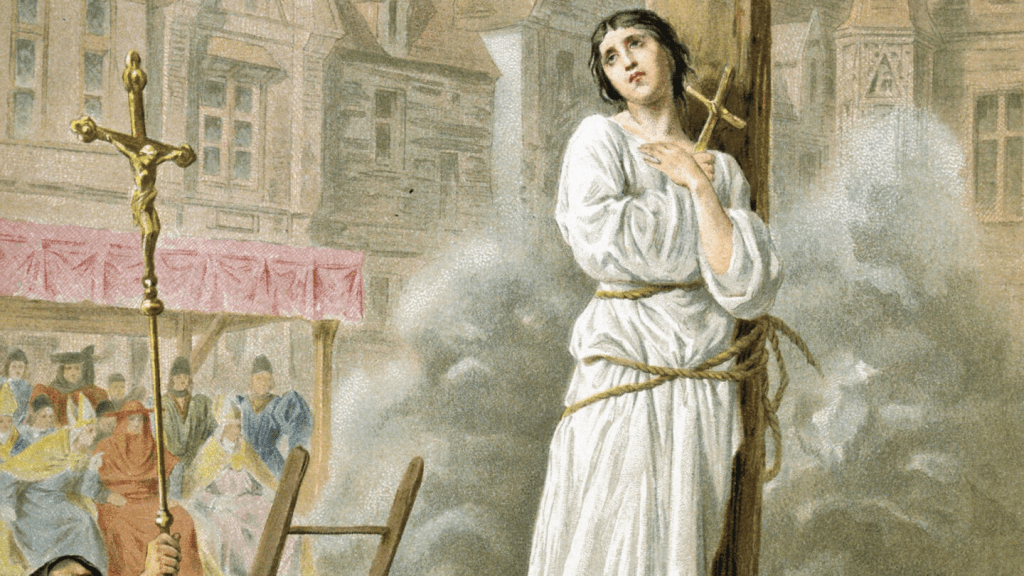
1431 – Joan of Arc


Joan of Arc is burned at the stake for heresy

On May 30, 1431, at Rouen in English-controlled Normandy, Joan of Arc, the peasant girl who became the savior of France, is burned at the stake for heresy. Joan was born in 1412, the daughter of a tenant farmer at Domremy, on the borders of the duchies of Bar and Lorraine. In …read more

1863 – The first black regiment left Boston to fight in the U.S. Civil War.


See the source image

On May 28, 1863, the 54th Massachusetts Regiment, which was the first black regiment in the Civil War, arrived in Boston after completing its training at Camp Meigs and marched to the State House, with its commander Robert Gould Shaw, for the formal presentation of the regiment’s colors.

In attendance at the presentation were William Lloyd Garrison, Wendell Phillips and Frederick Douglass, whose two sons were members of the regiment.

Source: historyofMassachusetts.org

politics,pollution,petitions,pop culture & purses