
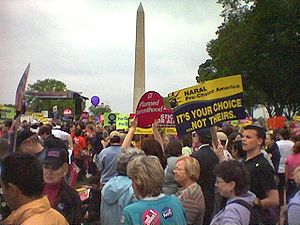
The Post below originated in 2011, it’s tough to say, but Republicans back then actually walked this “redefining Rape” Bill, but the Republicans of today, conservatives in SCOTUS have jumped their lanes from being the highest court in the land supposedly providing checks and balances to telling Society what they can and cannot do! Instead, they have taken away the Rights of Voters, POC, Blacks, and Women without so much as a blink of how their rulings impact the Nation, thus tossing it into chaos … is that their job? How many feel less safe since trump packed the Court with his Justices while the elder conservatives took a deep dive into behavior that probably needs an Ethics investigation, but conservatives seem to have tossed out their Oaths! SCOTUS should be on the side of Checks and Balances, but America is far from that perfect Union when all we see is a chaotic attempt at forcing folks to live an extremely conservative lifestyle…
Rape has increased since the conservatives in SCOTUS and Congress decided Women basically had no Reproductive Rights
Big news: Thanks in part to you and the 581,053 others who signed the “Redefining Rape?” petition, the Republicans are back-pedaling from their attempt to redefine rape.1 Your support made a real difference.
But this legislation is still terrible for women. Rep. Carolyn Maloney called it “the deepest attack on a woman’s right to choose in my lifetime.”2 Expert Jessica Arons said it would “accomplish the unstated end of making abortion as difficult to obtain as possible without actually criminalizing it.”3
Among other things, the bill would effectively prevent women from using their own money to purchase insurance that includes abortion coverage in the new insurance exchanges. Experts warn this could lead to insurance companies dropping abortion coverage entirely.4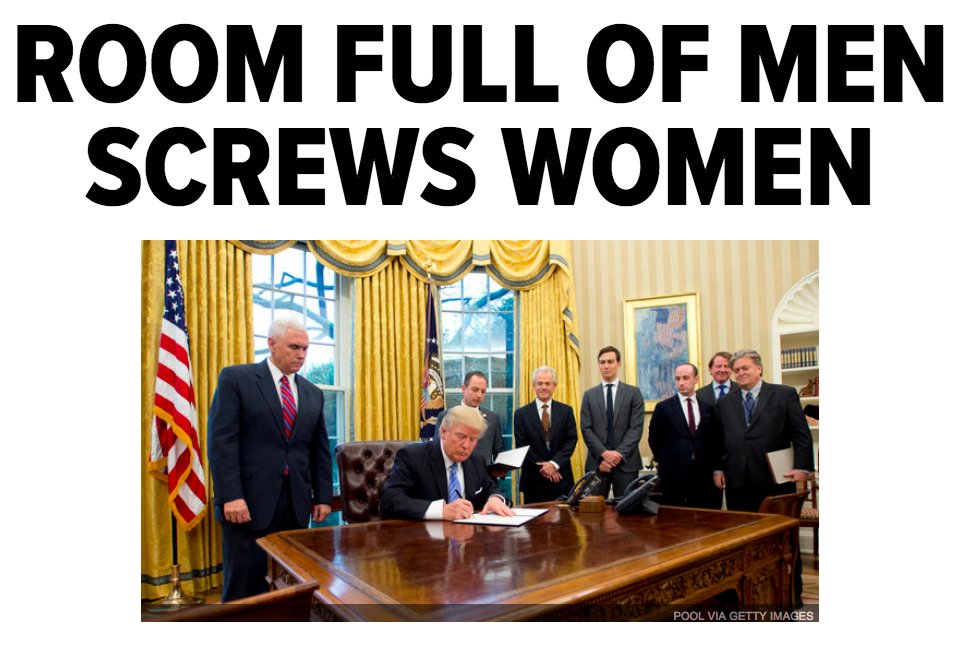
And it’s only one part of the Republicans’ attack on women’s health. A second bill would allow hospitals to let a pregnant woman die rather than perform the abortion that would save her life.5It’s reprehensible. We can’t let the GOP force women back into the back alley. You stood up against the disgusting “forcible rape” provision—now can you stand together to tell Congress to oppose these attacks on women’s right to choose by signing the petition below?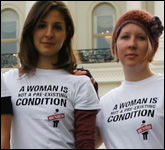
http://pol.moveon.org/wontgoback/?id=26019-17809870-opCKlFx&t=3 The petition says: “Stop the GOP war on women’s health. Please oppose the bills that would restrict abortion coverage and erode a  woman’s right to choose.”
On Tuesday, local MoveOn members in “We Won’t Go Back to the Back Alley” T-shirts will deliver your petitions during a hearing on Capitol Hill. Anti-choice activists are sure to be out in full force at the hearing, so we need a huge stack of names to show Congress and the news media that voters won’t stand for this attack.
These GOP bills are a full-throated attack on women’s reproductive freedoms. Their legislation would:6
Effectively ban abortion coverage in the new health insurance exchanges even if people pay for coverage with their own money.
Impose tax penalties on small businesses that pay for health plans that cover abortion and people who pay for abortion care.
Force the District of Columbia to impose all of the above laws, instead of letting the city decide its own laws.
Permanently ban abortion care for women insured by the government.
And a recently added provision is perhaps the most disgusting: allowing hospitals to deny a woman a life-saving abortion. If this bill passes, hospitals will be allowed to turn away a woman seeking an abortion, even if she’ll die without it—a major change from current law.7
Will you sign the petition today and stand up for a woman’s right to choose?
Don’t let the GOP send us back to the back alley. Sign the petition and share with your friends today:
http://pol.moveon.org/wontgoback/?id=26019-17809870-opCKlFx&t=4
Thanks for all you do.
–Kat, Eli, Milan, Carrie, and the rest of the team
Sources:
1. “House Republicans drop controversial ‘forcible rape’ language,” CNN, February 3, 2011
http://www.moveon.org/r?r=205960&id=26019-17809870-opCKlFx&t=5
2. “Democratic Reps. Unimpressed With New House Abortion Bill,” Talking Points Memo, February 3, 2011
http://www.moveon.org/r?r=205966&id=26019-17809870-opCKlFx&t=6
3. “Extreme Abortion Coverage Ban Introduced,” Center for American Progress, January 20, 2011
http://www.moveon.org/r?r=205961&id=26019-17809870-opCKlFx&t=7
4. “An Analysis of the Implications of the Stupak/Pitts Amendment for Coverage of Medically Indicated Abortions,” The George Washington University Medical Center, School of Public Health & Health Services, November 16, 2009
http://www.moveon.org/r?r=205972&id=26019-17809870-opCKlFx&t=8 (PDF)
“Study: Stupak Amendment Will Eliminate Abortion Coverage ‘Over Time For All Women,'” Tal king Points Memo, November 18, 2009
http://www.moveon.org/r?r=205973&id=26019-17809870-opCKlFx&t=9
“A Quick Note on the ‘No Taxpayer Funding for Abortion Act,'” Mother Jones, January 20, 2011
http://www.moveon.org/r?r=205975&id=26019-17809870-opCKlFx&t=10
“Extreme Abortion Coverage Ban Introduced,” Center for American Progress, January 20, 2011
http://www.moveon.org/r?r=205961&id=26019-17809870-opCKlFx&t=11
5. “New GOP Bill Would Allow Hospitals To Let Women Die Instead Of Having An Abortion,” Talking Points Memo, February 4, 2011
http://www.moveon.org/r?r=205974&id=26019-17809870-opCKlFx&t=12
6. “Extreme Abortion Coverage Ban Introduced,” Center for American Progress, January 20, 2011
http://www.moveon.org/r?r=205961&id=26019-17809870-opCKlFx&t=13
7. “New GOP Bill Would Allow Hospitals To Let Women Die Instead Of Having An Abortion,” Talking Points Memo, February 4, 2011




 Be a Seed for Change
You must be logged in to post a comment.