Okay, okay. Stand still. Right here in front of me. Close your eyes. Extend your arms out. You feel that? That light crackle across your fingertips?
Change is in the air.
American agriculture is not sustainable. Our food is overloaded with pesticides, growth agents and all the trappings of modern chemical warfare. As a result, the produce we put on our plates … is lacking. We don’t taste the robust flavors in the juices bursting from our salad tomatoes. We cannot grasp the complex fullness of authentic, fresh herbs over rich potatoes for a multilayered flavor the way we would experience in less agriculturally destroyed countries. READ MORE »
EWG analyzed pesticide residue testing data from the U.S. Department of Agriculture and Food and Drug Administration to come up with rankings for these popular fresh produce items. All 48 foods are listed below from worst to best (lower numbers = more pesticides).
Note: EWG analyzed pesticide tests of 48 popular produce items. Domestic and imported versions of two items – blueberries and snap peas – showed sharply different results, so we have ranked those domestic and imported items separately. As a result, the full list of foods ranked by the Shopper’s Guide displays 50 entries.
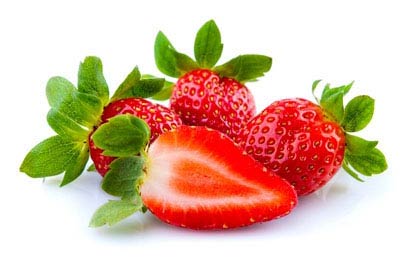
1
Strawberries
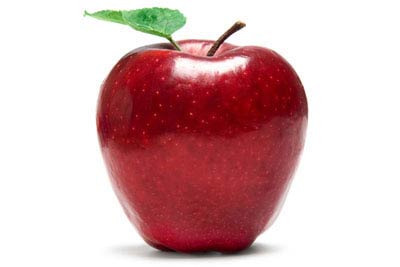
2
Apples
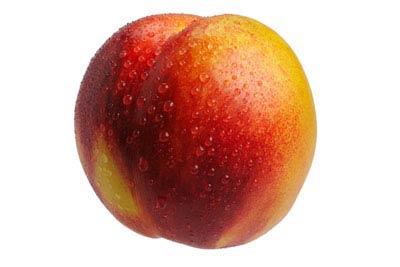
3
Nectarines
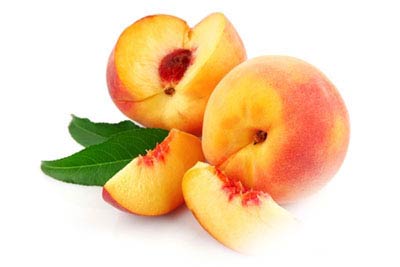
4
Peaches
5
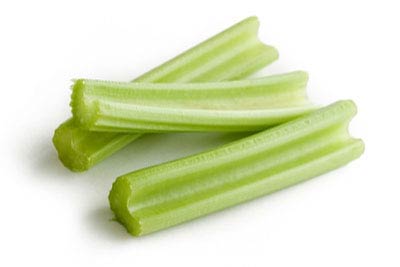
Celery
6
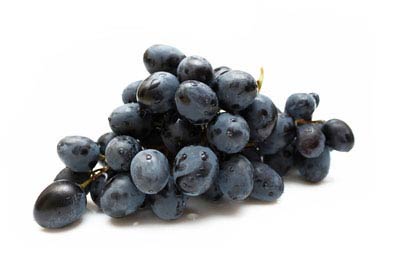
Grapes
7
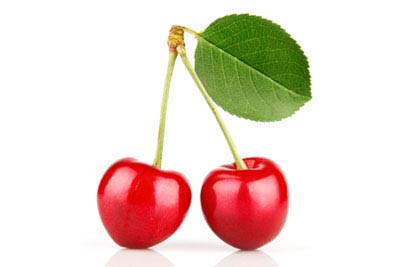
Cherries
8
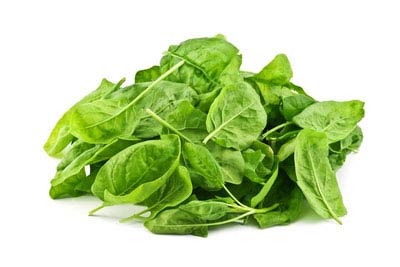
Spinach
9
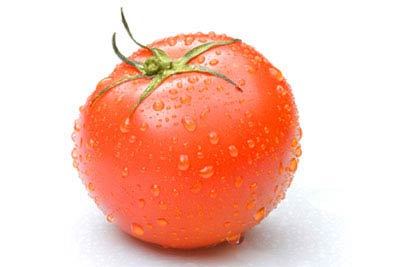
Tomatoes
10
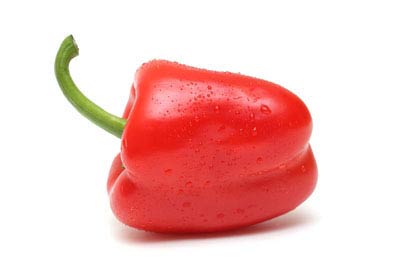
Sweet bell peppers
11
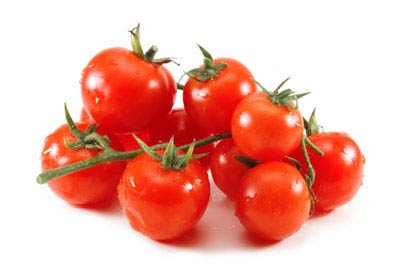
Cherry tomatoes
12
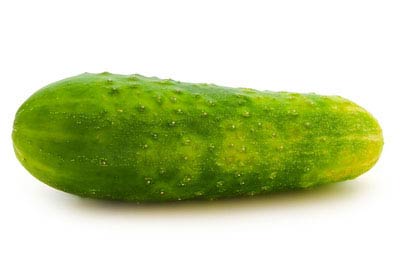
Cucumbers
13
Snap peas – imported
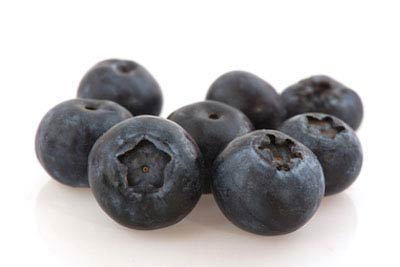
14
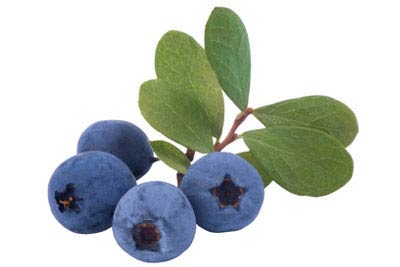
Blueberries – domestic
15
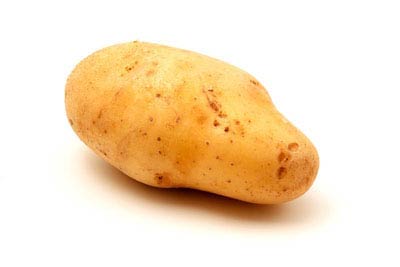
Potatoes
16
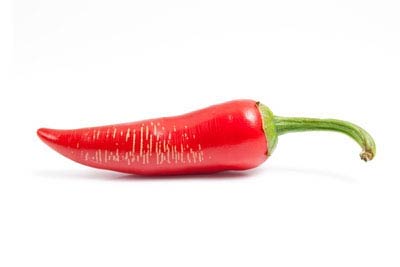
Hot peppers +
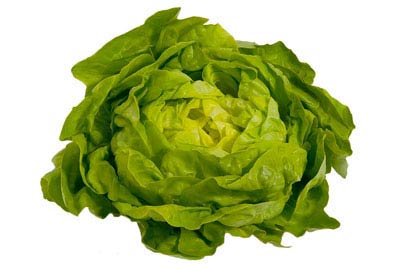
17
Lettuce
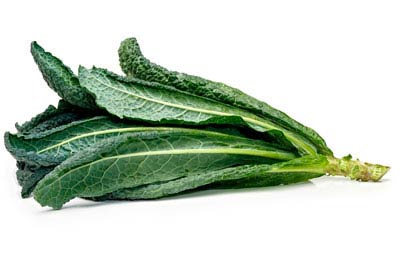
18
Kale / collard greens +
19
Blueberries – imported
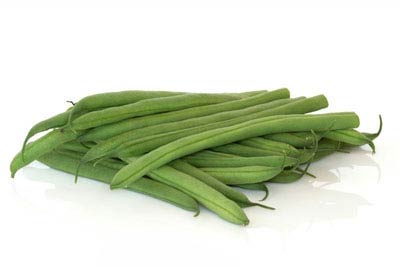
20
Green beans
21
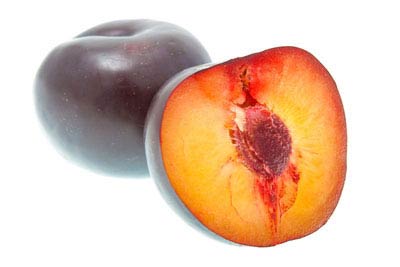
Plums
22
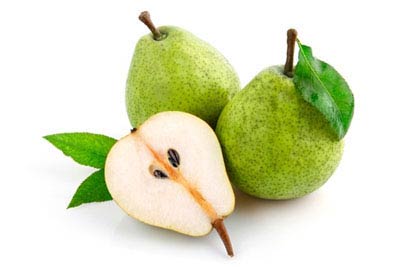
Pears
23
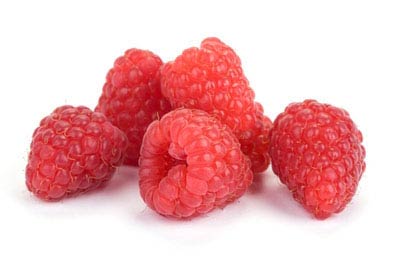
Raspberries
24
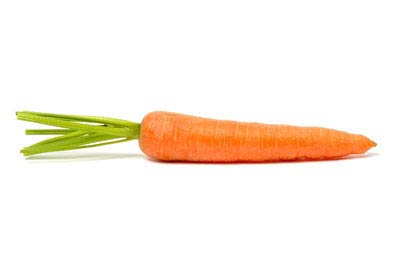
Carrots
25
Winter squash
26
Tangerines
27
Summer squash*
28
Snap peas – domestic
29
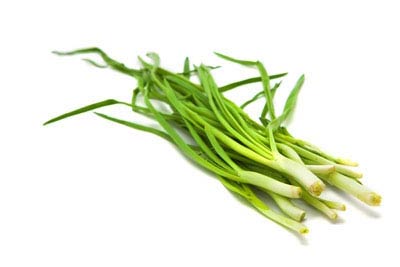
Green onions
30
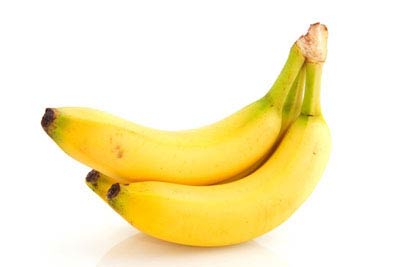
Bananas
31
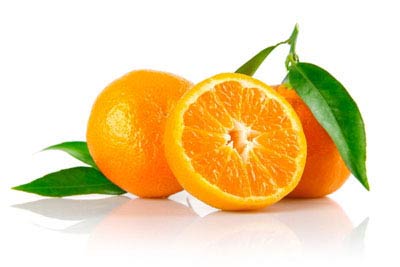
Oranges
32
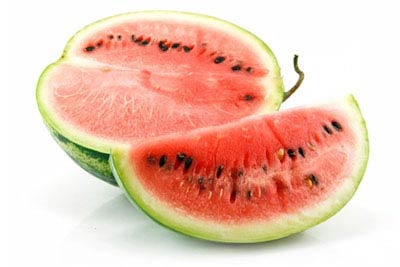
Watermelon
33
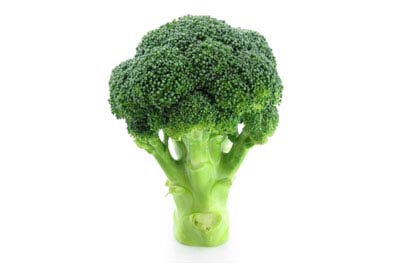
Broccoli
34
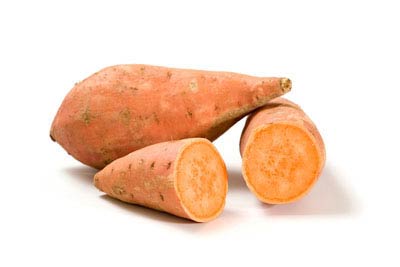
Sweet potatoes
35
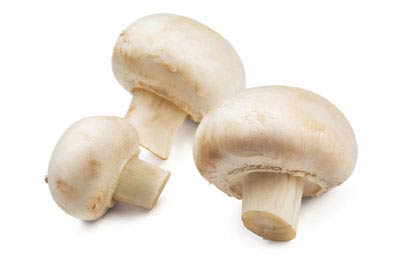
Mushrooms
36
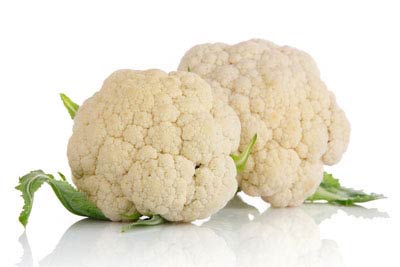
Cauliflower
37
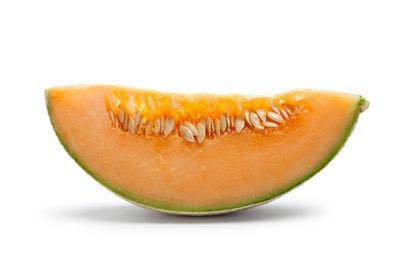
Cantaloupe
38
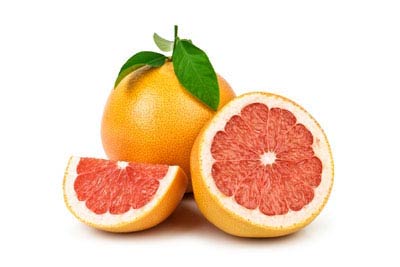
Grapefruit
39
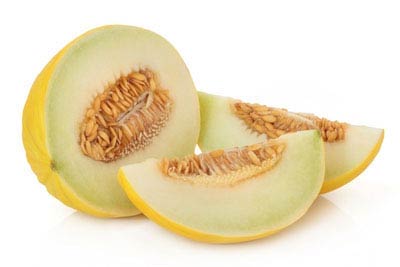
Honeydew melon
40
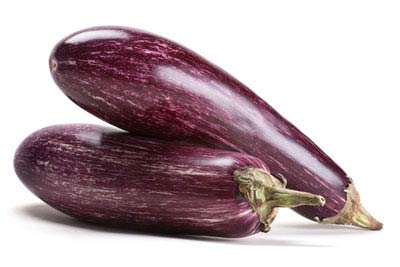
Eggplant
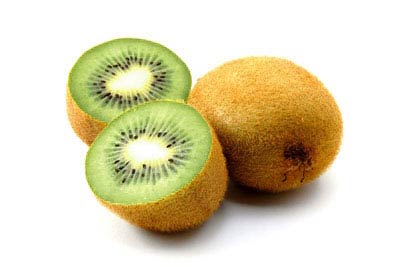
41
Kiwi
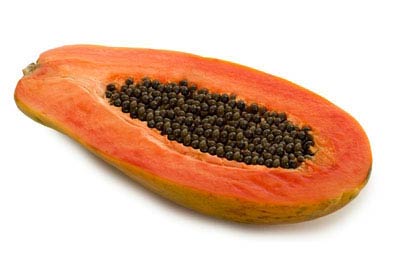
42
Papayas*
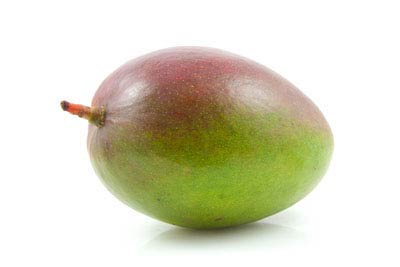
43
Mangos
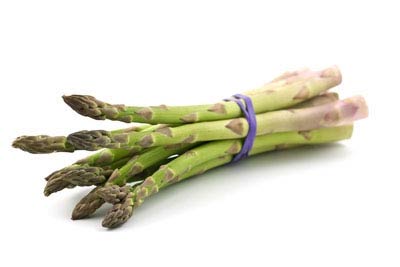
44
Asparagus
45
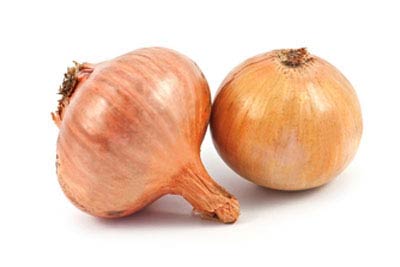
Onions
46
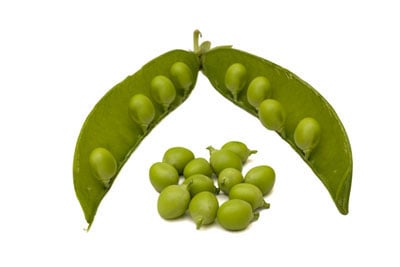
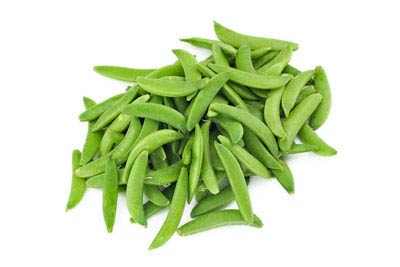
Sweet peas frozen
47
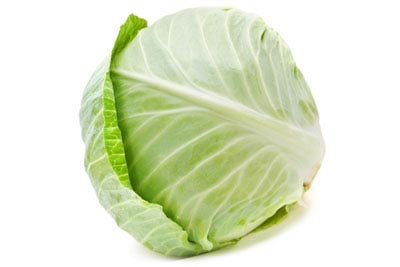
Cabbage
48
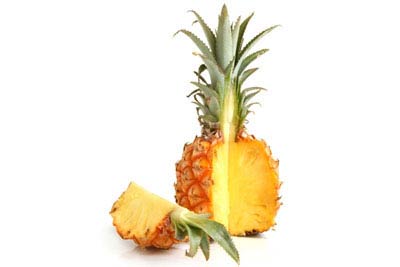
Pineapples
49
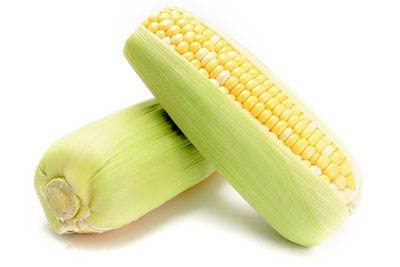
Sweet Corn*
50
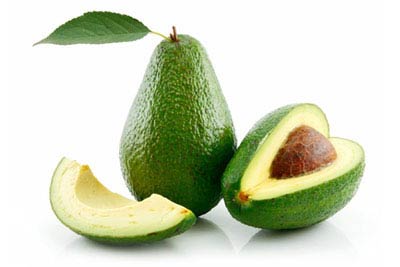
Avocados
* A small amount of sweet corn, papaya and summer squash sold in the United States is produced from GE seedstock. Buy organic varieties of these crops if you want to avoid GE produce.
* A small amount of sweet corn, papaya and summer squash sold in the United States is produced from GE seedstock. Buy organic varieties of these crops if you want to avoid GE produce.
Norwegian bees will soon be living the high life. Construction of a “bee highway” in Oslo aims to give these insects food, shelter and safe passage through the city. Bee hives and smatterings of flowering plants are popping up in backyards, on rooftops and on the terraces of companies and private citizens alike.





 Be a Seed for Change
You must be logged in to post a comment.