
Fifty volumes of copies of Letters Sent by the Postmaster General between October 3, 1789, and December 31, 1836, are here reproduced. Each volume is assigned an alphabetical designation and contains an index of names of correspondents. The letters are arranged chronologically. The volumes reproduced on rolls 28, 38, and 46 are letters to members of Congress.
The letters, written by the Postmaster General, deal with activities of the Post Office Department and relate chiefly to post offices, postmasters, mail transportation, mail contracts, departmental organizations, appropriations, legislation, postal laws and regulations, budget, international mail service, international postal conventions, postage stamps, departmental employees, mail fraud, lottery cases, and claims against the Post Office Department and postmasters.
The Postmasters General holding office during the time these letters were written were: Samuel Osgood, beginning September 26, 1789; Timothy Pickering, beginning August 12, 1791; Joseph Habersham, beginning February 25, 1795; Gideon Granger, beginning November 28, 1801; Return J. Meigs, Jr., beginning April 11, 1814; John McLean, beginning December 9, 1823; William T. Barry, beginning March 9, 1829; and Amos Kendall, beginning April 11, 1835.
The Office of the Postmaster-General originated on July 26, 1775, with the selection by the Continental Congress of Benjamin Franklin as Postmaster General for a term of one year. The position of Postmaster General was continued by the Congress of the Confederation.
An act of September 22, 1789 (1 Stat. 70), under the Federal Government provided for the temporary establishment of a general post office and authorized the appointment of a Postmaster General who was subject to the direction of the President. It also provided that the duties, salaries, and regulations of the Department should be the same as those under the Congress of the Confederation. An act of February 20, 1792 (1 Stat. 232), later provided in detail for the Post Office Department and the postal service generally. Subsequent acts made the Post Office a permanent agency and enlarged its duties.
The Post Office operated as a single, undifferentiated unit until the appointment of a chief clerk on April 1, 1818. This officer was assigned supervision of the field operations of the Post Office, including mail contracts, inspections, activities of special agents, disbursements, and measures to deal with mail depredations. As the Post Office came to perform more services, other functions of the Postmaster General were delegated to the Chief Clerk and the Assistant Postmaster General. (The First Assistant Postmaster General was authorized on January 28, 1792; the Second Assistant Postmaster General on April 30, 1810; the Third Assistant Postmasters General on July 2, 1836; and the Fourth Assistant Postmaster General on March 3, 1891.) The salary of the Postmaster General was placed on an equal basis with that of other Department heads on March 2, 1827, and in 1830 the Postmaster General became a regular Member of the Cabinet.
The records reproduced in this microcopy are part of Record Group 28, Records of the Post Office Department. Related records are among Records of the Bureaus of Assistant Postmasters General, the Bureau Accounts, and the Bureau of the Chief Inspector of the Post Office Department also in Record Group 28.

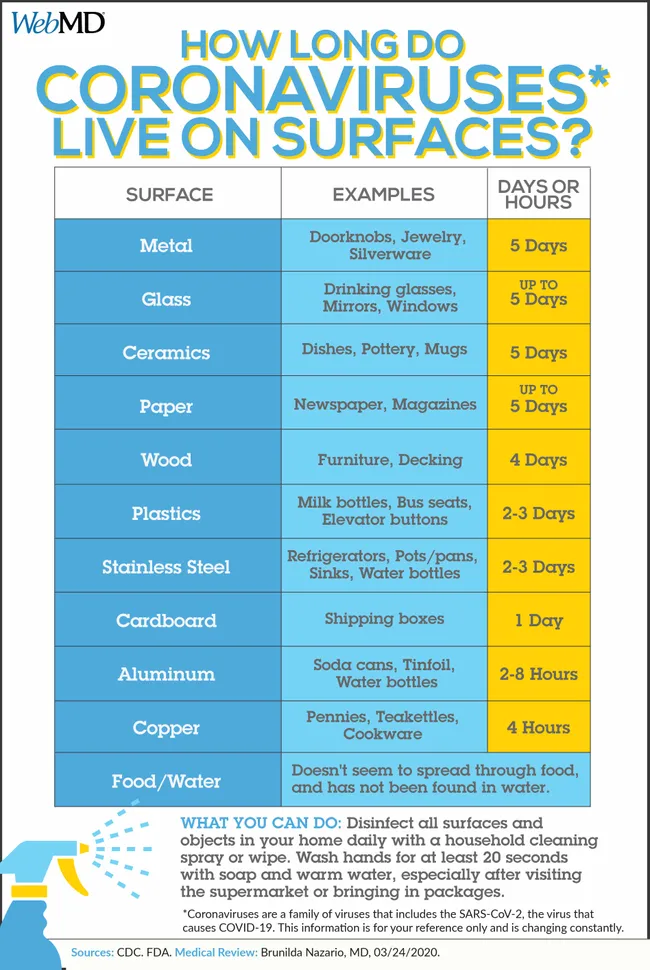 ce suggests that it’s harder to catch the virus from a soft surface (such as fabric) than it is from frequently touched hard surfaces like elevator buttons or door handles,” wrote Lisa Maragakis, MD, senior director of infection prevention at the Johns Hopkins Health System.






You must be logged in to post a comment.