In 1902 the Texas legislature passed a requirement for a poll tax which suppressed voting by black and Mexican Americans. As voter participation by these groups declined, the Democratic Party became more dominant.[2]
Dr. Lawrence A. Nixon, a black physician in El Paso, Texas, and member of the Democratic Party, sought to vote in the Democratic Party primary of 1924 in El Paso.[3] The defendants were magistrates in charge of elections who prevented him from doing so on the basis of the 1923 Statute of Texas which provided that “in no event shall a negro be eligible to participate in a Democratic Party primary election held in the State of Texas”. Nixon sought an injunction against the statute in the federal district court. The district court dismissed the suit, and Nixon appealed to the United States Supreme Court.
The pathbreaking lawyer and “Civil Rights Queen” was the first Black woman to argue before the U.S. Supreme Court
Tomiko Brown-Nagin
In the spring of 1963, Constance Baker Motley watched the protests in Birmingham, Alabama, with hope—and concern. The nation’s most segregated city, Birmingham had become the center of the struggle for Black equality. Previous demonstrations there led by the Rev. Dr. Martin Luther King Jr., whom she considered “an American hero,” had produced “no results,” Motley wrote in her memoir. Consequently, King and other leaders began planning more dramatic action, including the Children’s Crusade. “Civil disobedience was not working; massive resistance was,” she wrote. Indeed, the zeal of the protesters in April and May of that year led to a climactic legal battle. Motley’s heroic role in it would help lay the groundwork for the Civil Rights Act of 1964, as public outrage over the violent white response to peaceful protests spurred Congress to action.
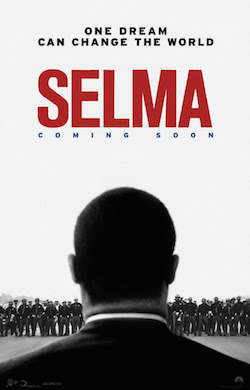
“Selma” is a tremendous film and a timely reminder of the hardships we’ve endured to get to this crucial moment in our history.
Is out and ready to view since 2014!
Although the Civil Rights Act of 1964 legally desegregated the South, discrimination was still rampant in certain areas, making it very difficult for blacks to register to vote. In 1965, an Alabama city became the battleground in the fight for suffrage. Despite violent opposition, Dr. Martin Luther King Jr. (David Oyelowo) and his followers pressed forward on an epic march from Selma to Montgomery, and their efforts culminated in President Lyndon Johnson signing the Voting Rights Act of 1965.






You must be logged in to post a comment.