Tag Archives: United States Congress

The 2009 Racial Justice Act … reminder


The North Carolina Racial Justice Act of 2009

Prohibited seeking or imposing the death penalty on the basis of race. The act identified types of evidence that might be considered by the court when considering whether race was a basis for seeking or imposing the death penalty and established a process by which relevant evidence might be used to establish that race was a significant factor in seeking or imposing the death penalty. The defendant had the burden of proving that race was a significant factor in seeking or imposing the death penalty, and the state was allowed to offer evidence to rebut the claims or evidence of the defendant. If race was found to be a significant factor in the imposition of the death penalty, the death sentence would automatically be commuted to life imprisonment without the possibility of parole.[1]

North Carolina General Assembly Repeal Attempts [edit]

Under pressure from a group of 43 district attorneys, who expressed opposition to the act citing the clog of the court system in the state, the North Carolina Senate passed a bill by a 27-14 vote on November 28, 2011, that would have effectively repealed the Racial Justice Act.[2]

However, on December 14, Governor Bev Perdue, a Democrat, vetoed the bill, saying that while she supports the death penalty, she felt it was “simply unacceptable for racial prejudice to play a role in the imposition of the death penalty in North Carolina.”[3] The state legislature did not have enough votes to override Perdue’s veto.

Major revision (2012)[edit]

The North Carolina General Assembly passed a major revision of the law in 2012 authored by Rep. Paul Stam (R-Wake). The rewrite “severely restricts the use of statistics to only the county or judicial district where the crime occurred, instead of the entire state or region. It also says statistics alone are insufficient to prove bias, and that the race of the victim cannot be taken into account.” The bill was vetoed by Gov. Perdue, but this time, the legislature overrode the governor’s veto.[4]

Repeal[edit]

The North Carolina General Assembly voted to effectively repeal the entire law in 2013 and Gov. Pat McCrory, a Republican, signed the repeal into law.[5]

Appeals under act[edit]

On April 20, 2012, in the first case appealed under the Racial Justice Act, the then-Senior Resident Superior Court Judge in Cumberland County (Fayetteville), Judge Greg Weeks, threw out the death sentence of Marcus Raymond Robinson, automatically commuting his sentence to life without parole. Robinson contended that when he was sentenced to death in 1994, prosecutors deliberately kept blacks off the jury. Robinson’s lawyers cited a study from Michigan State University College of Law indicating that prosecutors across North Carolina improperly used their peremptory challenges to systemically exclude qualified black jurors from jury service.[6][7][8]

References[edit]

  1. Jump up ^ Senate Bill 461, General Assembly of North Carolina, Session 2009
  2. Jump up ^ Bufkin, Sarah. “North Carolina General Assembly Votes To Repeal Landmark Racial Justice Law”. Think Progress: Justice. Retrieved 8 December 2011. 
  3. Jump up ^ Jarvis, Greg (2012-12-15). “Perdue veto saves death-row appeal law”. The News & Observer. 
  4. Jump up ^ News & Observer
  5. Jump up ^ Charlotte Observer
  6. Jump up ^ “Judge: Racism played role in Cumberland County trial, death sentence converted in N.C.’s first Racial Justice Act case”. The Fayetteville Observer. April 20, 2012. Retrieved April 21, 2012. 
  7. Jump up ^ “Racial bias saves death row man”. BBC News (BBC). April 20, 2012. Retrieved April 21, 2012. 
  8. Jump up ^ Zucchino, David (April 20, 2012). “Death penalty vacated under North Carolina’s racial justice law”. Los Angeles Times. Retrieved April 21, 2012.

Resource …wiki

so, I do not know how accurate this is

The War on Poverty at … a repost


by  CAP Action War Room       

What People Really Think About Poverty

On January 8, 1964, President Lyndon B. Johnson announced an “unconditional war on poverty in America.” “It will not be a short or easy struggle, no single weapon or strategy will suffice, but we shall not rest until that war is won. The richest nation on earth can afford to win it. We cannot afford to lose it,” said Johnson.

50 years later, many of the programs that were passed in that era still exist and have helped keep millions out of poverty. In fact, the poverty rate would be nearly double today without them. But without a doubt, poverty still exists in this country.

The perception continues to be that there is a wide ideological gap across the county of what government’s role is in extending the ladders needed to increase economic mobility and lift people out of poverty. On this anniversary, the Center for American Progress and Half in Ten commissioned a poll to ask Americans what they really think about poverty in the United States. The findings might surprise you:

1. Between one-quarter and one-third of Americans experience direct economic hardship. Sixty-one percent of Americans say their family’s income is falling behind the cost of living, compared to just 8 percent who feel they are getting ahead and 29 percent who feel they are staying even. Anywhere from 25 to 34 percent of Americans-and even higher percentages of Millennials and people of color-report serious problems in the past year falling behind on rent, mortgage or utilities payments; affording necessary medical care; keeping up with credit card payments; or having enough to money for food.  Fifty-four percent of Americans say that someone in the immediate or extended families is poor — a 2-point increase since 2008 and an 18-point increase since 2001.

2. Americans blame economic conditions, not personal responsibility, as the reason people live in poverty in this country.  Almost two-thirds (64 percent) believe that most people who live in poverty do so because of bad economic conditions like low-paying jobs, compared to only one-quarter who think it is because the poor make bad decisions. Even white conservatives believe by a 2:1 margin (63 percent to 29 percent) that poverty is driven by socioeconomic factors and conditions rather than poor personal decision-making.

poverty

3. There is almost unanimous agreement that government has a responsibility to fight poverty. An overwhelming 86 percent of Americans agree with the belief put forward by President Johnson 50 years ago.

poverty2

4. There is widespread support for a national goal to cut poverty in half within 10 years. Seven in 10 Americans–including a majority of those identifying as white conservatives–support this goal.

poverty3

5. Americans also express very strong support for a number of policies to help reduce poverty rates, particularly with jobs, wages, and education but also on more traditional safety net items. Among the proposals garnering strong support are emergency unemployment benefits, increasing the minimum wage, universal pre-kindergarten, and expanded nutrition assistance. Congress should take note.

poverty4

You can check out the complete results of the poll HERE. Our colleagues have also put together a variety of other resources on the 50th anniversary of the War on Poverty. Be sure and check those out HERE.

the 27th amendment


What is the 27th Amendment:

“No law, varying the compensation for the services of the Senators and Representatives, shall take effect, until an election of Representatives shall have intervened.” –

See more at: http://constitution.laws.com/27th-amendment#sthash.XQKBlcAs.dpuf

Date Proposed:

The 27th Amendment was first proposed on September 25th, 1789

Date Passed:

The 27th Amendment was passed May 7th, 1992

President of the United States Bill Clinton was the President of the United States during the ratification of the 27th Amendment

Stipulations of the 27th Amendment The 27th

Amendment is the most recent constitutional amendment passed; as of 2011, there have been 27 Constitutional Amendments passed with regard to the Constitution of the United States of America

The 27th Amendment addresses the salary rate of members of Congress, which is comprised of a bicameral legislature – the Senate and the House of Representatives The 27th Amendment stipulates that members of the Congress are not permitted to adjust their respective wage earnings in the middle of a term; in the event of a proposed wage adjustment, members of Congress must address any or all concerns with regard to wage adjustment prior to the starting of a new Congressional term

27th Amendment Facts

The 27th Amendment has never been cited within a Supreme Court Hearing The 27th Amendment addresses the adjustment of costs of living with regard to inflation The 27th Amendment is considered to be the Constitutional Amendment with the longest duration of time between the initial proposal and subsequent ratification; the 22nd Amendment is considered to maintain the second-longest duration of 4 years between proposal and passing

States Ratifying the 27th Amendment

1. Alabama 2. Alaska 3. Arizona 4. Arkansas 5. California 6. Colorado 7. Connecticut 8. Delaware 9. Florida 10. Georgia 11. Hawaii 12. Idaho 13. Illinois 14. Indiana 15. Iowa 16. Kansas 17. Kentucky 18. Louisiana 19. Maine 20. Maryland 21. Michigan 22. Minnesota 23. Missouri 24. Montana 25. Nevada 26. New Hampshire 27. New Jersey 28. New Mexico 29. North Carolina 30. North Dakota 31. Ohio 32. Oklahoma 33. Oregon 34. Rhode Island 35. South Carolina 36. South Dakota 37. Tennessee 38. Texas 39. Utah 40. Vermont 41. Virginia 42. Washington 43. West Virginia 44. Wisconsin 45. Wyoming

States Not Participatory in the Ratification of the 27th Amendment

1. Massachusetts 2. Mississippi 3. Nebraska 4. New York 5. Pennsylvania – See more at: http://constitution.laws.com/27th-amendment#sthash.XQKBlcAs.dpuf

a message from Rep. John Lewis ~Reinstate Voting Rights Protections ~ In Memory


I’m deeply saddened.

If Congress doesn’t act, this will be the first election in 50 years without critical protections from the Voting Rights Act.

the right to vote is precious… even sacred.

That’s why in 1963, I marched on Washington with Martin Luther King for the right to vote.

That’s why in 1965, I gave a little blood on that bridge in Selma, Alabama for the right to vote.

Folks marched for this. Folks fought for this. And some even died for the right to vote.

But today, the vital protections in the Voting Rights Act have been gutted by the conservative Justices on the Supreme Court.

Voting is the most powerful non-violent tool we have in a democratic society. And we’ve got to use it!

Will you demand that Republicans fix the Voting Rights Act?

Thanks,

Congressman John Lewis

  • Hopefully, the VRA becomes Permanent Law,  with a few caveats that direct actions towards States that still feel the need to engage in Racism and or Discrimination on any level during elections Suppressing the Vote! – Nativegrl77

Fashion tips … Handbags


7 Tricks to Ensure Your Handbags Will Last for Years

By Allyson Payer

We’re more willing to splurge on a beautiful designer handbag than on any other wardrobe component, justifying our purchase by saying, “Well, this’ll last me for years,” which brings us to today’s subject: learning how to preserve and properly care for these investment items. Luckily, there are a few simple steps you can take to ensure that your precious satchels are kept in mint condition for years to come.

Scroll down to see our tips, and to shop gorgeous investment bags that you’ll want to protect!

1. Protect The Material:7 Tricks to Ensure Your Handbags Will Last for YearsThe Blonde Salad

Want to shield your new bag from spills and dirt before they happen? Scotchgard Fabric will do the trick for fabric panels, while Scotchgard Suede and Nubuck is a great water and oil repellant for suede. Both Collonil and Chamberlain’s make great leather-protecting products. Apply product with a clean white cotton cloth, followed by a dry cotton cloth to buff. Use products regularly on heavily used bags. With any products, test a small patch on the bag to make sure it doesn’t cause discoloration.

image

Collonil Leather Gel

image

Chamberlain’s Leather Milk

2. Store Them Properly:

image

Le 21eme

Do your bags get tossed onto a haphazard heap at the bottom of your closet? They’ll last longer if stored the right way, ideally in an upright position in their dust bags or a cotton pillowcase. Never store them in plastic or vinyl, which traps moisture inside. Stuff your bags with scarves, sweaters, or acid-free tissue paper, or use a handbag insert made for this purpose. Cross the handles over each other to avoid wear on the bag and unclip any removable straps for long-term storage.

Related: The ONE Mistake Every Handbag Owner Makes

image

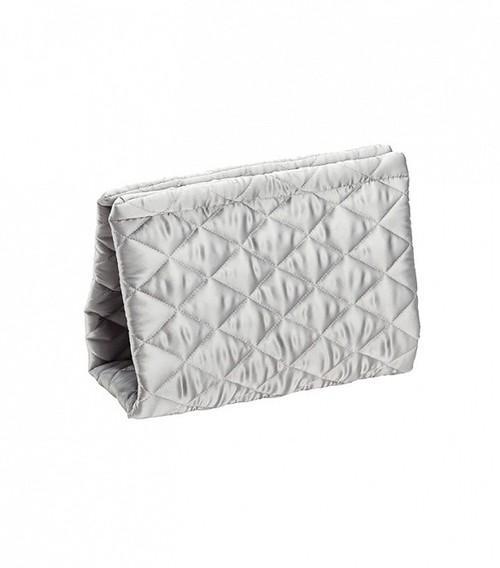
The Container Store Quilted Handbag Shapers

image

The Container Store Linen Handbag Storage Bin

3. Remove Stains the Right Way:

image

Athens Streetstyle

The first step is to know what type of stain you’re dealing with, as that will dictate the removal method. See specific techniques below!

Food stains: Crush white chalk and let it sit on the stain overnight. Brush off with a clean cloth in the morning.

Oil stains: Put cornstarch on the stain immediately, rubbing it in to create heat from friction, which will help the oil absorb. Brush the powder off with a clean cloth after you’ve rubbed it in—don’t let it sit on the stain.

Ink stains: If the stain is fresh, use a white eraser to immediately erase the spot, without applying too much pressure so that the color doesn’t come off. If the ink is already set, you’ll need a professional (see tip #7). An eraser also works for dirt stains.

Water stains: Blot water stains, let them dry naturally, and bring your bag to a professional for removal.

Odor removal: Keep a plastic bag filled with baking soda inside your handbag. Zip the handbag or place it in a larger bag that seals if it doesn’t zip. Keep the baking soda in the bag for one or two days to absorb the odor. Another option? Place a couple of dryer sheets in the bag for a few days.

Related: Heavy Purse? 5 Smart Ways to Lighten Your Load

4. Protect the Lining: 

image

A Love is Blind

Use pouches to store cosmetics and liquids, which will protect the handbag lining from spills and keep you organized to boot. Avoid click pens at all cost, opting for pens with caps instead. Better yet, put those in your pouch too, in case of dreaded ink leaks.

image

Comme des Garçons Star Embossed Small Pouch

5. Keep Metal Hardware Shiny:

image

A Love is Blind

Do your best to keep away jewelry and zippers that could scratch your bag’s metal hardware. A go-to household item, Mr. Clean’s Magic Erasers, do a great job of cleaning up tarnished and grimy hardware.

Related: 14 Items Every Woman Should Have In Her Purse

6. Practice Routine Maintenance: 

image

Athens Streetstyle

Here are a few best practices when it comes to daily handbag maintenance:

1. Avoid handling your bag if your hands are dirty or have lotion or cream on them.
2. Keep your bag out of direct sunlight.
3. Rotate which handbag you carry regularly so that they don’t wear out too quickly.
4. Use a suede brush to clean and revive suede.
5. Regular use of a leather moisturizer will keep the leather supple and free of cracks.
6. Wipe your bag down on a weekly basis (when in use) with a soft cloth.

7. Take It to a Professional:

image


A Love is Blind

For stains and wear and tear beyond your handbag maintenance skill set, take it to a handbag repair professional. Most shoe repair professionals also work on handbags. They’ll treat it for you, clean it, and restore color as needed. If your bag doesn’t have metal feet on the bottom, it’s wise to have those installed, as they’ll protect it from scratches and dirt.

Related: Your Ultimate Guide to Fall’s Must-Have It-Bags

Shop Investment Handbags:

image

A.P.C. Edith Leather Shoulder Bag

A structured black bag will take you from day to night. Bonus points for sleek gold hardware.

image

Chloe Large Drew Grained Leather Shoulder Bag

All the cool girls are wearing this It-bag with a cool yet classic vibe.

Related: Is THIS The New It-Bag for Fall?

image

M2Malletier Memento Mori Bag

This slightly larger version of M2Malletier’s popular clutch style is perfect for everyday wear.

image

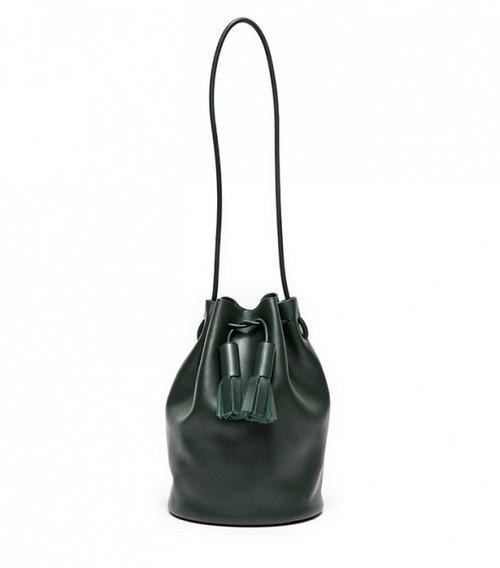
Building Block Bucket Bag

Buttery forest green leather and oversized tassels join forces to create a perfectly quirky bucket bag for fall.

image

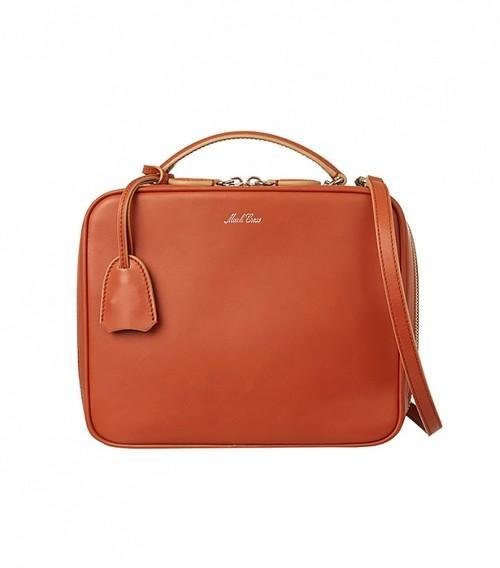
Mark Cross Laura Leather Shoulder Bag

Boxy shapes are in for fall, so tap into the trend with this structured Mark Cross version.

image

Rag & Bone Haircalf Bradbury Small Flap Hobo

This leopard calf-hair bag makes a subtle statement and gives a luxe feel to any outfit.