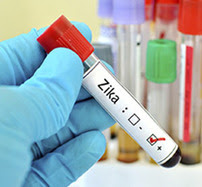
HHS helping lift key hurdle in the efforts to develop better Zika diagnostics
Diagnostic companies have identified a serious barrier to the development of Zika diagnostics: they don’t have access to blood samples positive for Zika virus antibodies, which are needed to validate whether serological tests are performing as expected. BARDA is supporting the collection of the specimens needed to validate the those tests. Learn More >>
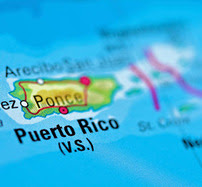
HHS awards $5 million to Puerto Rico health centers to fight the spread of Zika virus
HHS Secretary Sylvia M. Burwell announced $5 million in funding to 20 health centers in Puerto Rico to further combat the Zika virus disease. Health centers will use this funding to expand voluntary family planning services, including contraceptive services, outreach and education, and to hire more staff. Learn More >>
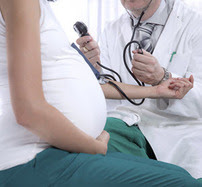
US Zika Pregnancy Registry: What Parents Need to Know
CDC has developed the US Zika Pregnancy Registry so that we can learn more about the effects of Zika during pregnancy. CDC, health departments, doctors and healthcare providers will use the information from this registry to help pregnant women, children and families affected by Zika. The information from the registry will help CDC and state health departments develop a clearer picture of how Zika affects pregnant women and their babies. Learn More >>
Be Counted! Be A Part of America’s PrepareAthon!
On Saturday, April 30, join communities across the country, take action to prepare for emergencies and register your PrepareAthon! events online. Is your family, school, church or community finding ways to help keep people safe and healthy during disasters? Are you taking steps to prepare? Tell us about it! Your participation showcases how people all across the country are taking action to prepare. Learn More >>
Preparedness Skill Check: Stay Safe Around Floodwaters
Today’s forecast says that more rain is coming to already flooded areas of the south. So what do you do to stay safe in flooded areas? How can you keep your kids and pets from getting hurt or sick? Start with the basics: Avoid floodwaters when possible and never drive through flooded areas. Make sure that your kids and pets don’t touch flood waters. Wear protective clothing, like heavy boots, rubber gloves, and goggles, when you clean up. Check out these resources and learn to stay safe and healthy. Learn More >>





 Be a Seed for Change
You must be logged in to post a comment.