Barbecue – History of Barbecue


Image result for Ellsworth B. A. Zwoyer of Pennsylvania patented a design for charcoal briquettes in 189 To barbecue means to slow-cook meat at a low temperature.

Zwoyer’s Design Patent #D27483 – charcoal briquette.


To barbecue means to slow-cook meat at a low temperature for a long time over wood or charcoal. In America, barbecue (or BBQ) originated in the late 1800’s during Western cattle drives. The cowboys were fed the less than perfect cuts of meat, often brisket, a tough and stringy piece of meat that required five to seven hours of cooking to tenderize. Other barbecue meats used were pork butt, pork ribs, beef ribs, venison and goat.

However, barbecue was not invented in America and no one knows who invented the barbecue. The word ‘Barbecue’ might come from the Taino Indian word ‘barbacoa’ meaning meat-smoking apparatus. ‘Barbecue’ could have also originated from the French word “Barbe a queue” which means “whiskers-to-tail.”

No one is sure of the correct origins of the word.

Who Invented the Charcoal Briquette?

Ellsworth B. A. Zwoyer of Pennsylvania patented a design for charcoal briquettes in 1897. (See the image to the right) After World War One, the Zwoyer Fuel Company built charcoal briquette manufacturing plants in the United States with plants in Buffalo, NY and Fall River, MA.

There are stories circulating that Henry Ford invented the very first briquette in 1920 with the help of Thomas Edison. However, the 1897 patent obviously predates this and Ford and Edison both knew Zwoyer.

Ford is the man who popularized the gas-powered car in America and invented the assembly line for automobile manufacturing. Ford created a briquette from the wood scraps and sawdust from his car factory.

E.G. Kingsford bought Ford’s briquette and placed it into commercial production.

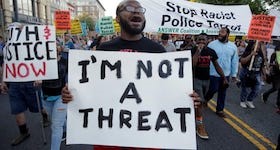
Urge Congressional Leaders to #ProtectBlackDissent


Newly leaked documents show that the FBI has lied about the extent of its tracking of Black activists, while consistently obscuring the real threat of white supremacy.1 In the wake of recent attacks in Dayton, OH, Gilroy, CA and El Paso, TX, it’s time for Congress to act quickly and decisively to hold the Bureau accountable.

FBI director Christopher Wray testified to Congress earlier this year that his agency no longer uses the “Black Identity Extremist” (BIE) label and that they focus on violence and not ideology in determining what to investigate.2 Yet documents obtained by The Young Turks make clear that the Bureau under Trump has not only continued programs related to the groundless BIE label, but prioritized these investigations over the targeting of white supremacists and other known terrorist groups like Al-Qaeda. They also developed a new infiltration program called “Iron Fist” to “mitigate the threat posed by the BIE movement at a national level” — without citing any actual terrorist activities conducted by these groups.

The FBI cannot be trusted. We’re calling on Congressional leaders to help end “Iron Fist” and all FBI programs based on the made-up “Black Identity Extremist” label, to stop the Bureau from grouping white supremacist incidents with Black protests against police violence, and to force them to be transparent about the funding used to investigate domestic terrorist groups.

The FBI is directing its resources into improperly surveilling and criminalizing Black activists for their right to dissent at the exact time white supremacists are organizing online and violently attacking communities of color. This dangerous prioritization and false assessment is putting millions of lives at risk.

Join us today in urging Rep. Elijah Cummings (Chair of the House Oversight & Reform Committee), Rep. Jerry Nadler (Chair of the House Judiciary Committee), and Rep. Bennie G. Thompson (Chair of the House Homeland Security Committee) to use their oversight powers to force the FBI to meet our demands and #ProtectBlackDissent.

Partners:

—-
Sources:
1. Leaked FBI Documents Reveal Bureau’s Priorities Under Trump, The Young Turks
2. FBI Abandons Use of Term “Black Identity Extremism, The Wall Street Journal